What the Compass Knew Before We Did
Long before clocks, navigators trusted a needle that pointed where they could not see. A short meditation on the instinct to keep moving — and why it still lives on the wrist.
Spectrum Editorial · 4 min read · 49 views

Long before there was a watch on a wrist, there was a needle in a bowl of water.
The Chinese were the first to notice it, around the second century BCE — a sliver of lodestone, freed to spin, would always settle on the same axis. They called it the south-pointer. By the time European sailors picked it up a thousand years later, it had crossed deserts and oceans without any of them ever being told it existed. The compass travelled the way good ideas do: quietly.
What the compass knew, that humans hadn't yet figured out, was that the planet itself was a kind of clock. Spinning. Aligned. Predictable. You could trust it the way you trust the sun coming up — because at the deepest level, they're the same trust.
The instrument before the instrument
For most of human history, "where" mattered more than "when". A sailor in the Indian Ocean in the year 900 didn't need to know the time. They needed to know that they were still pointing at Hormuz. The compass gave them that. The clock came later — much later — when knowing the time at sea suddenly became the difference between landing and dying.
But the compass and the watch are siblings. Both are small, mechanical, wearable. Both replace a thing the body used to do badly with a thing a tool does precisely. Both feel quietly satisfying to hold.
The wrist as a starting line
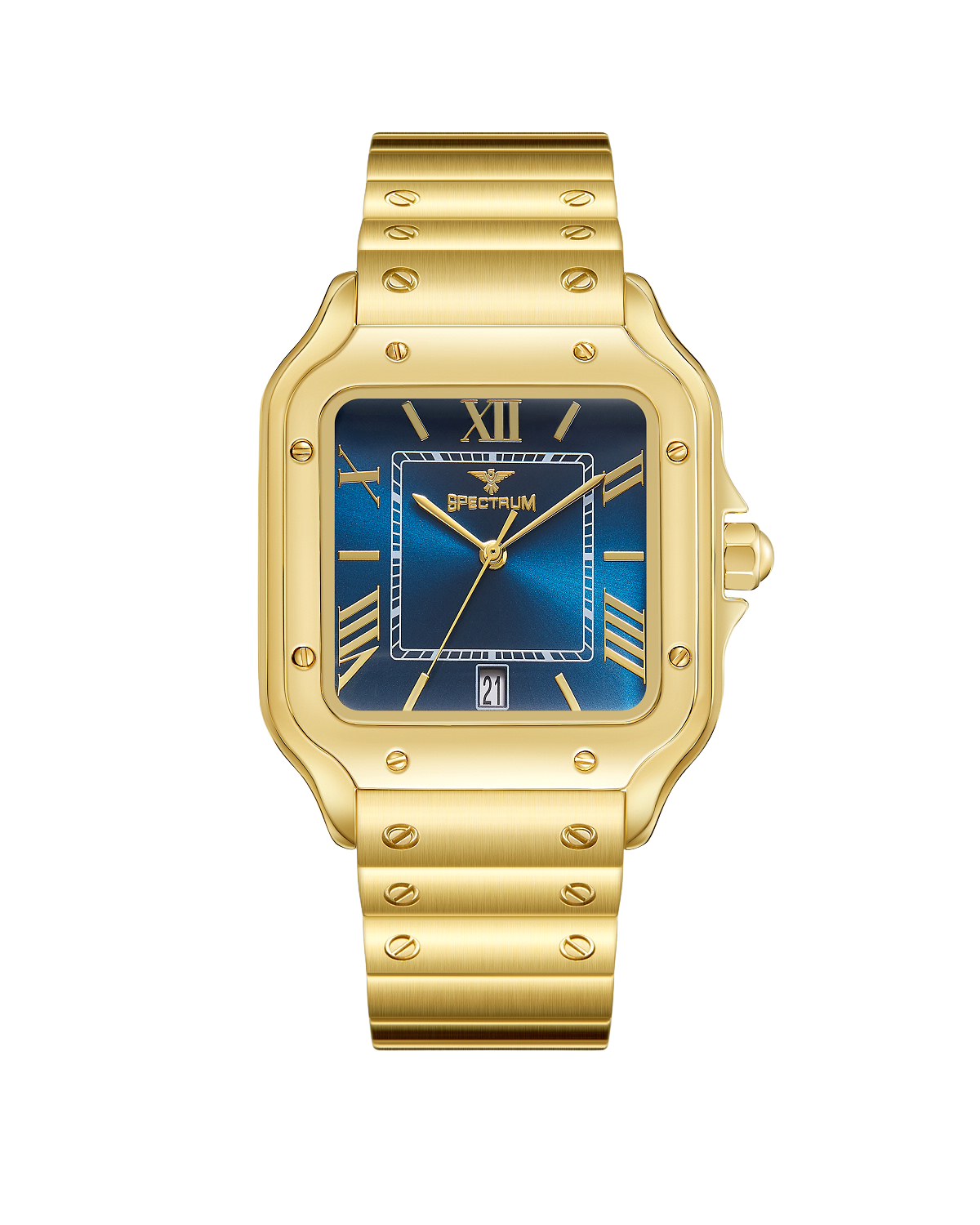
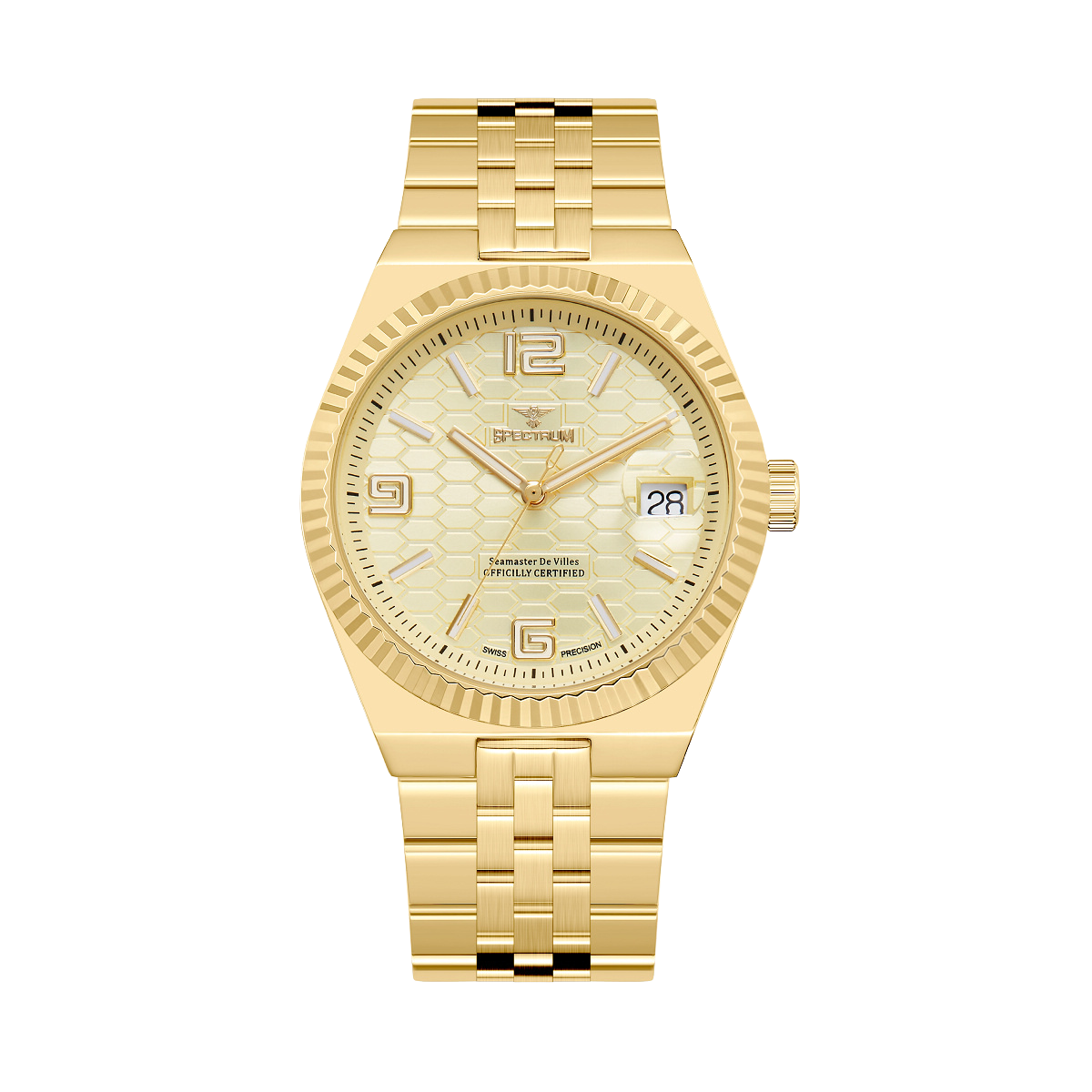
The Explorer wears a watch the way the old navigators wore a compass. Not to be told what to do — to be told what is true. This direction. This hour. This window before the light goes.
It is, in the end, the same instinct: I would rather know, and decide, than wait, and hope.
The needle still points. The hands still turn. Somewhere out there, the trail is still open.
About the author
Spectrum Editorial
The Spectrum Watches editorial desk
The Spectrum editorial desk — fact-checked, persona-mapped, and written for people who measure life in moments.