
Commanding the Room: Your Guide to Black-Tie Events
Master the unspoken rules of formal events, from interpreting the dress code to making a strategic exit. This is your playbook for the modern gala.
Spectrum Editorial · 7 min read · 54 views
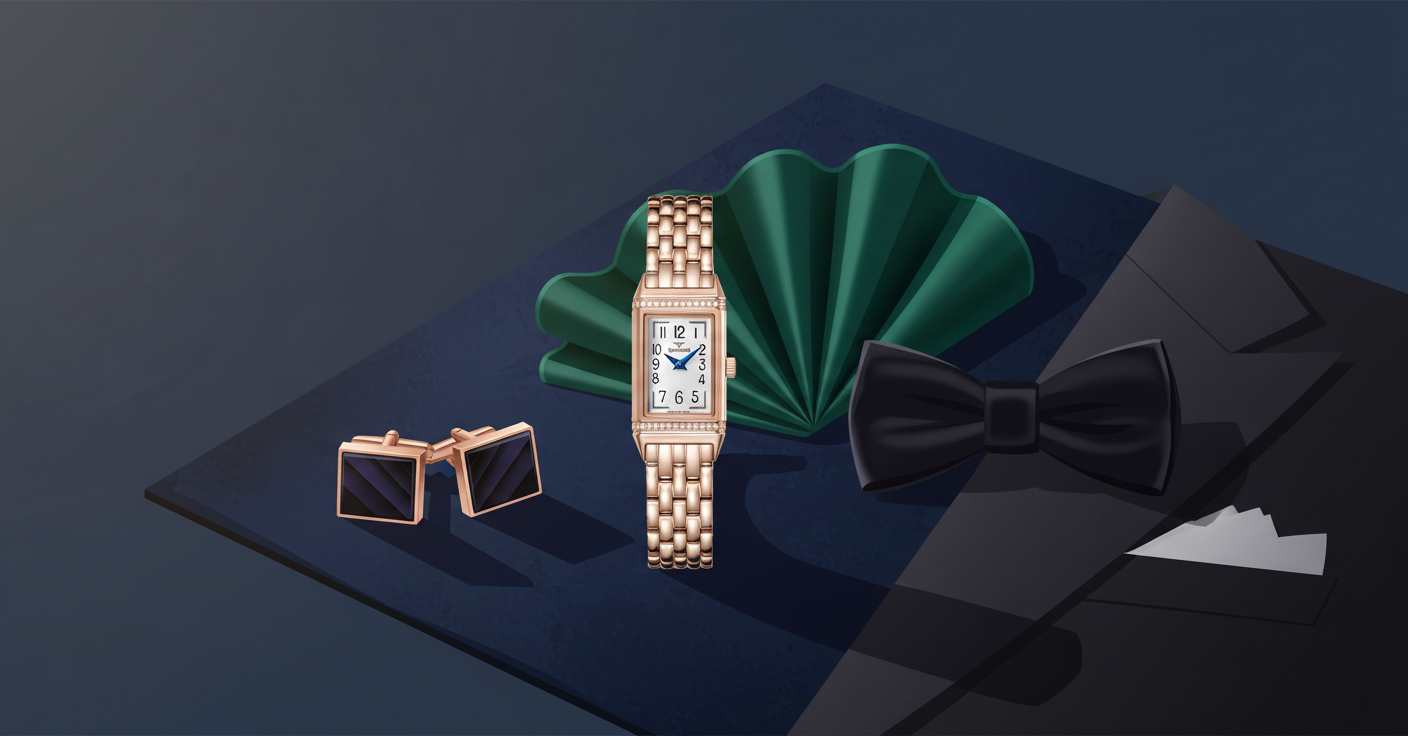
The weighted cardstock lands on your desk. An invitation. It’s not just a request for your presence at a gala, a premiere, or a benefit; it’s an arena. For the multi-dimensional person, a black-tie event isn’t a performance of conformity. It’s an opportunity to navigate a different landscape, to connect with new people, and to make a distinct impression. It’s another facet of your life, navigated with the same intention you apply to the boardroom or the creative studio.
Forget the tired narratives of fairytale evenings. This is about strategy, confidence, and owning your space. The codes of formal wear and etiquette are not chains; they are a system. And any system can be mastered. The goal is not to blend in, but to belong on your own terms. Your presence should feel both effortless and deliberate. This guide is for the person who understands that true power isn't about being the loudest in the room—it's about being the one who moves with quiet command.
Decoding the Invitation
The instructions begin before you even consider your wardrobe. They are printed in elegant script right on the invitation. Understanding the nuances of the dress code is your first strategic advantage. It communicates your respect for the event and your ability to operate within established frameworks.
"Black Tie" is the most classic and straightforward directive. For men, it’s a tuxedo. For you, it means a floor-length gown or an exceptionally elegant cocktail dress. Think clean lines, luxurious fabrics, and a sophisticated silhouette. This is about timeless elegance, not fleeting trends. Yet, you can still inject your personality through fabric choice—a structured velvet, a liquid silk—or a powerful color choice in a sea of black.
"Black Tie Optional" introduces a layer of choice, and therefore, a layer of strategy. It signals that the event is formal, but with flexibility. You can still opt for a full-length gown, and you will look perfectly appropriate. Alternatively, a sophisticated cocktail dress, a chic jumpsuit, or elegant separates are all valid plays. The key is to maintain a high level of formality in fabric and tailoring. This is where you demonstrate your fluency in social codes, choosing the option that best suits your personal brand for the evening.
Then there is "Creative Black Tie." This is an explicit invitation to play. It's a test of your style and confidence. The foundation is still formal, but you are encouraged to incorporate trends, bold colors, and unique accessories. It could mean a gown with an avant-garde cut, a tuxedo jacket paired with silk trousers, or a piece that speaks to the theme of the night. This is where your personality can truly take center stage, but it requires a careful balance. The goal is to be creative, not costume-like.
The Art of Arrival
Your entrance begins the moment you step out of the car. Many people rush into a venue, eager to disappear into the crowd. That is a tactical error. A powerful arrival is measured and composed. Walk with purpose. Your posture should be open and confident, your head held high. You are not just entering a space; you are joining it.
Pause for a moment at the threshold. This is not for dramatic effect, but for orientation. Scan the room, get a sense of the energy, the layout, the key clusters of people. This brief assessment gives you an immediate advantage. You know where the bar is, you see who is speaking with whom. You are gathering data.
Avoid the magnetic pull of the bar or the familiar face of a colleague. Your first move should be intentional. Move into the room and find a space where you can be seen without being in a major thoroughfare. This projects poise. People will come to you. When you do greet someone, make eye contact. A firm handshake, a genuine smile—these are the currencies of connection. You are here to build relationships, not just to be seen.
The Modern Power Play: Jewellery and Time
In a formal setting, accessories carry immense weight. The old rules often dictated a full suite of sparkling jewellery. The modern approach is one of strategic restraint. It’s about choosing one or two pieces that do the talking for you. Over-accessorizing can dilute your message and project insecurity. The confident individual knows that less is often more impactful.
Your timepiece is the ultimate power play. Unlike purely decorative jewellery, a watch is a tool. It speaks of precision, an awareness of time, and a connection to the world of action. A piece like [[product: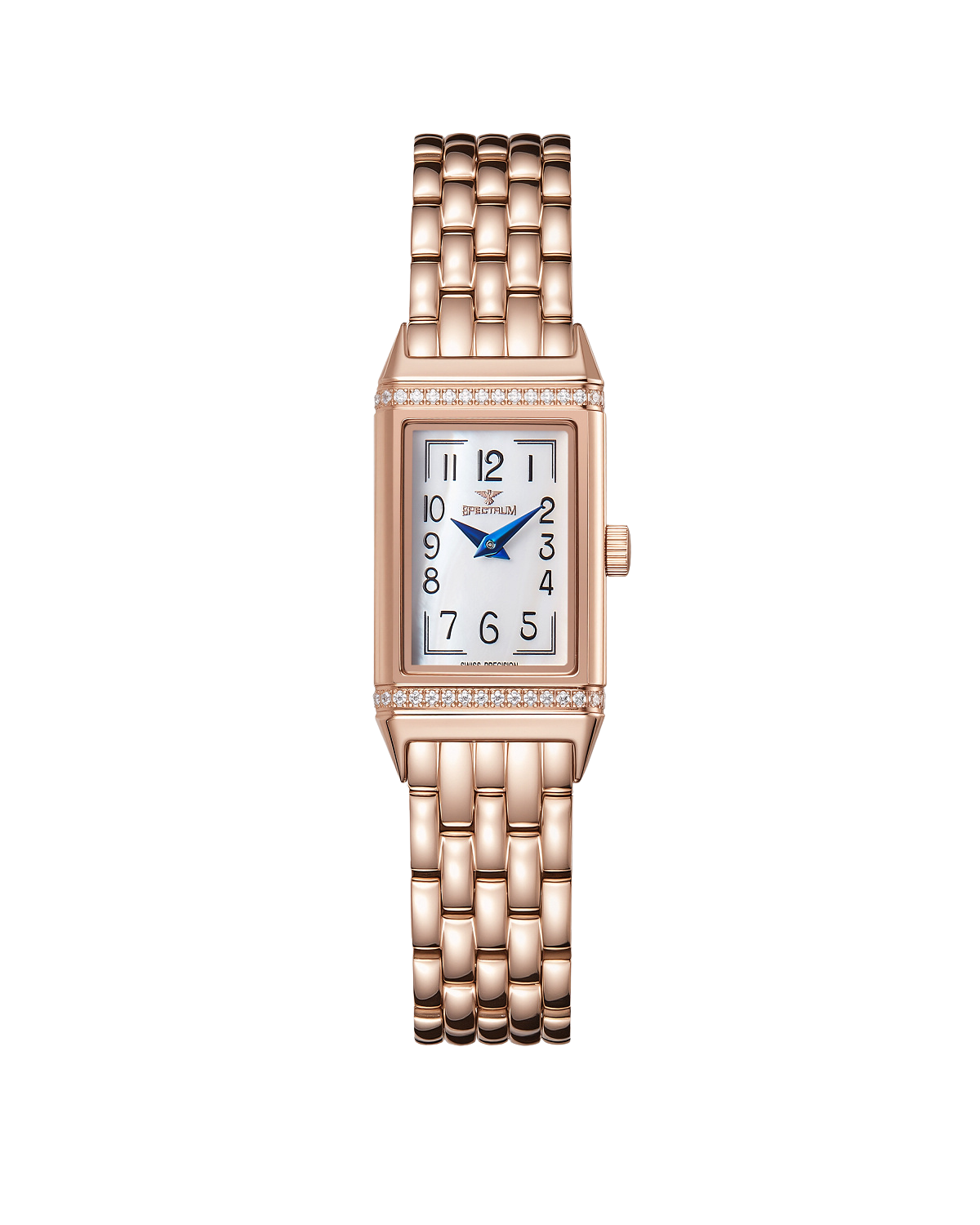 Women's Silver Watch S17081L|this elegant two-tone rose watch]] doesn't just tell time; it manages perception. Its blend of cool steel and warm rose gold is versatile, bridging aesthetics and making a statement of modern sophistication without shouting. It sits under a cuff, a private reminder of your own agenda, visible only when you decide.
The principles of accessorizing for a gala are simple but effective:
- Choose a Hero: Let one piece be the star. If it's your watch, keep other bracelets minimal. If it's a statement necklace, perhaps opt for simple stud earrings.
- Consider the Neckline: The cut of your gown or top dictates your necklace choice. A high neckline may call for no necklace at all, just a stunning pair of earrings and your watch.
- Metal Discipline: While a versatile two-tone watch gives you flexibility, establish a clear metallic theme. While a more classic [[product:
 Women's Two Tone Gold Watch S17065L|yellow gold two-tone piece]] anchors you firmly in tradition, mixing metals should always look intentional, not accidental.
 - Function and Form: Your clutch should be large enough for essentials but small enough to be elegant. Your watch should be beautiful, but also a functional timepiece you can rely on.
Circulate with Purpose
Once you are in the room, the real work begins. This is not about flitting from group to group collecting business cards. It is about targeted engagement. Identify two or three people you genuinely want to speak with and make it your mission to have a quality conversation.
When you approach a person or a group, listen first. Don't interrupt. Wait for a natural opening to introduce yourself. The best way to enter a conversation is by asking an intelligent question related to the topic at hand. It shows you're engaged, not just waiting for your turn to speak. This is the essence of being The Multi-Dimensional: fluent in every environment, able to contribute to any conversation.
Your choice of drink matters. Holding a flute of champagne or a simple glass of sparkling water is elegant and easy to manage. Avoid brightly colored cocktails that can stain or cumbersome glasses. Hold your drink in your left hand, keeping your right hand free for handshakes. It's a small detail, but it signals you are prepared and open for connection.
Master the art of the graceful exit from a conversation. When it’s time to move on, say, "It was a pleasure speaking with you. I hope you enjoy the rest of your evening." Then, move away with purpose. Don’t linger. Your time is valuable, and so is theirs.
The Strategic Exit
Just as your entrance was deliberate, your departure should be as well. The most powerful people rarely close down the party. Leaving at the peak of the evening, just after the main event—speeches, awards, the keynote—leaves a final, lasting impression of someone with purpose and other commitments. It suggests your time is finite and you manage it well.
Don’t feel obligated to say goodbye to everyone. A quiet departure can often be more chic than a grand tour of farewells. Make a point to thank your host. If you can’t find them, a follow-up note the next day is a requisite mark of class. Then, you leave. No hesitation. You arrived with command, and you leave with it.
Black-tie nights are just another stage. With the right strategy, they become less about a dress code and more about a code of conduct you define for yourself. The watch on your wrist isn't just counting the hours. It's a symbol of the fact that you own them. All of them. Who are you tonight? You are the person who understands the rules, and wins by your own.
About the author
Spectrum Editorial
The Spectrum Watches editorial desk
The Spectrum editorial desk — fact-checked, persona-mapped, and written for people who measure life in moments.
Wear the story