
Best Watches Under $300 Prime Day: The Maker's Edition
For the builder, the engineer, and the tinkerer, the right watch is a tool for focus, not a source of distraction—a testament to hours of dedicated work.
Spectrum Editorial · 8 min read · 40 views
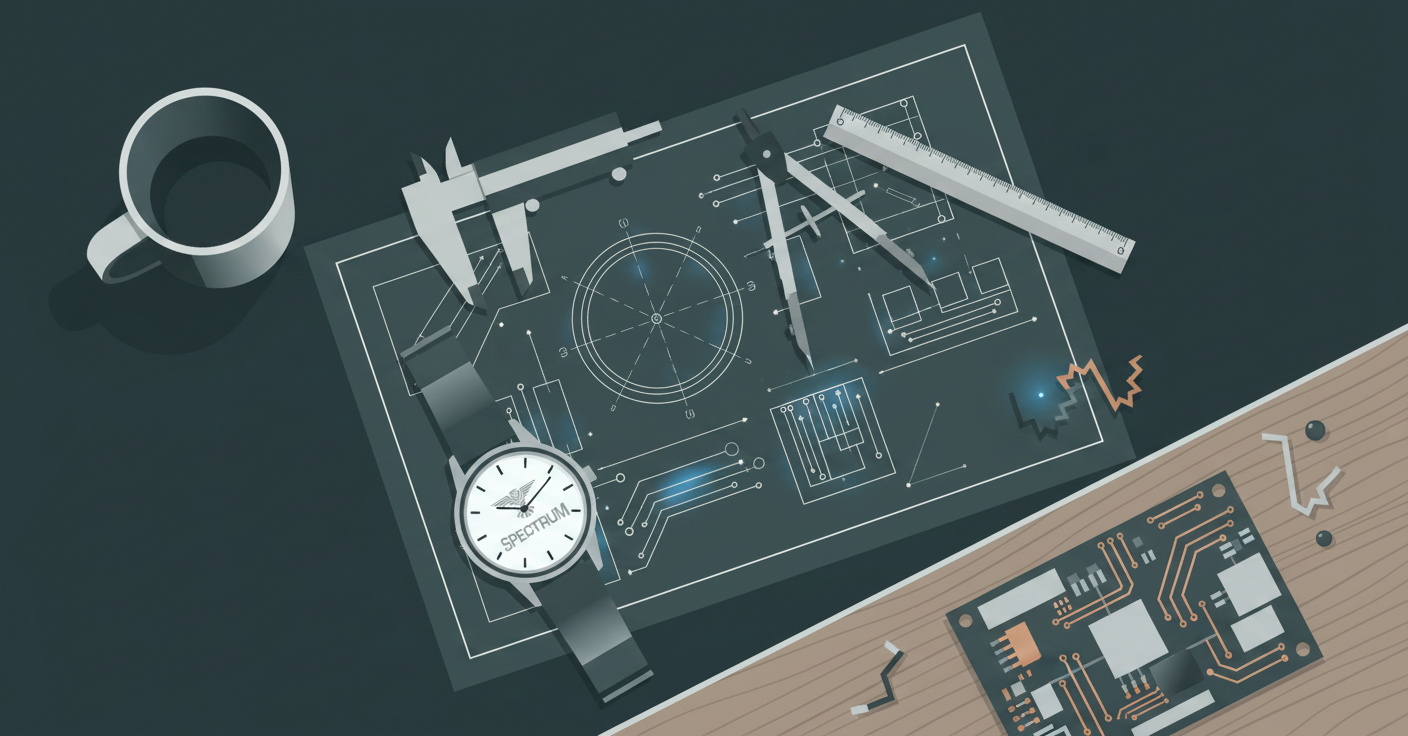
It’s 1 AM on a Tuesday. The rest of the house is dark. For you, this is prime time. The workshop, the command line, the drafting table—this is the arena. The project isn't a task on a manager's board; it's a personal mandate. Maybe it’s a new SaaS platform being coaxed into existence from a Brooklyn apartment, or a vintage engine being meticulously restored in a Texas garage. The world sees the finished product, the clean launch, the polished result. They don't see the circuits you re-soldered three times, the bug that took a week to crush, the design you threw out and started over. They don't see the hours. But your watch does. It’s the silent partner in the work, a simple analog machine tracking the one resource that matters: your time.
This isn't about nostalgia. It's about intention. In a world saturated with devices that demand your attention, a traditional watch makes a different pact. It serves you, not a platform. It offers data, not distraction. It’s a tool built for a single, critical purpose. As you gear up for a week of deals, the reflexive search for a device can be overwhelming. Screens promising to optimize everything from your heart rate to your social calendar. But you’re not looking for another screen. You’re looking for a better tool. One that respects the focus your work demands.
Are There Great Watches Under $300 on Prime Day?
The search for "watches under $300 prime day" will yield thousands of results. It’s a loud, crowded space dominated by two distinct camps. On one side, you have the fashion-first quartz pieces from the DW/MVMT tier—minimalist designs that look sharp but often prioritize aesthetics over engineering. On the other, you have the venerable workhorses, the entry-level mechanicals that command respect from enthusiasts. The quest for a Seiko 5 alternative is a common one for anyone who values automatic movements but wants a different design language.
This is where we position ourselves. Spectrum was founded in Dubai in 1990 with a different idea of value. We’re not chasing fleeting trends. We build watches for specific personas, for people defined by what they do. The price of a watch is one metric. The integrity of its design and the quality of its build are another. We believe a watch should punch above its price tag, not just meet it. This means focusing on the details: the crispness of a dial, the feel of a crown, the finish on a steel case. It’s about creating a piece that feels like an intentional choice, a this piece value proposition without the retail markups.
For the maker, value isn't just about the lowest cost. It's about the ratio of price to performance, durability, and purpose. It’s the same logic you apply to buying a new power tool or a standing desk. Will it do the job? Will it last? Does it help you work better? A watch is no different. It’s a piece of your personal toolkit. Finding the right one is less about sifting through discounts and more about identifying the piece that aligns with your own principles of building things the right way.
The First Prototype: Iteration and Discipline
Every great creation begins as a mess. An idea scribbled on a napkin. A block of code that barely compiles. A rough cut of wood that only vaguely resembles the final design. The journey from that first spark to a finished product is a masterclass in discipline. It's a structured, often grueling, process that any inventor or creator knows by heart. You don’t just build something once; you build it over and over, refining it with each pass.
The process is universal, whether you're building a brand or a bookshelf.
- The Constraint: The project is defined by its limits. Budget, timeline, materials, or the laws of physics. This is where creativity thrives.
- Version 0.1: The first functional prototype. It’s ugly. It’s buggy. But it works. This is proof of concept, the critical first step that turns an idea into a reality.
- Testing and Failure: You push it until it breaks. You find the edge cases, the weak points, the logical flaws. Failure isn't a setback; it's data. It’s the most valuable part of the process.
- The Rework: You go back to the blueprint. You refactor the code. You redesign the component. This is the grind—the patient, focused hours where the real quality is forged. It demands patience and a refusal to settle for “good enough.”
- Shipping: The day it goes live. The moment you hand it over. It's a mix of terror and relief. The work is done, and it now belongs to the world.
This cycle of iteration and refinement is the same ethos that powers traditional watchmaking. An automatic movement is a marvel of microscopic engineering—a city of gears and springs working in mechanical harmony, powered by nothing more than your own motion. It’s a system designed centuries ago, perfected over generations. Not through software updates, but through meticulous physical improvement. This deep respect for process and precision is something we believe resonates with every Inventor.
The Final Build: Shipping A Watch For The Work
There's a unique satisfaction in looking at a finished project. The app is deployed. The restored motorcycle roars to life in your Chicago driveway. The thesis is bound and submitted. In that moment, you deserve a marker of the achievement, a symbol of the focused hours invested. It's a moment that calls for something more permanent than a notification, something more tangible than a digital badge.
While the hunt for value often starts under a certain price point, sometimes the right tool requires a small stretch. It's about investing in the story and the quality that will last. [[product: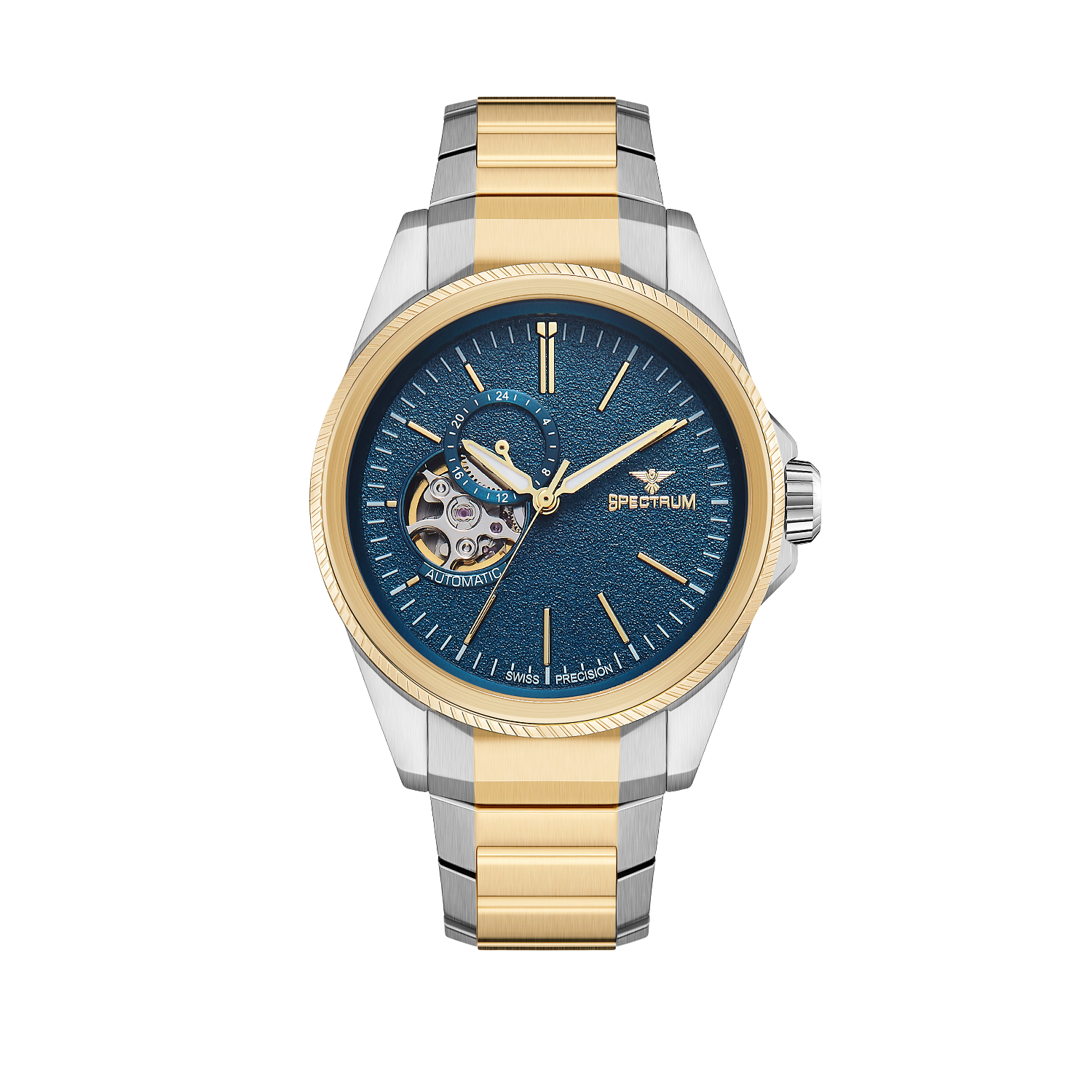 Men's Two Tone Gold Watch S17086M-|This two-tone automatic calendar watch]] is a prime example of that principle. It's a mechanical piece, honest and direct. The two-tone gold and stainless steel design moves easily from the workshop to a celebratory dinner in downtown LA, a nod to both the work and the reward. It isn't just about telling time; it's about honoring the time you've put in. If you're marking a milestone, consider it one of the most lasting gifts you can give yourself or a fellow builder.
Of course, a bold statement isn't the only answer. For those who prefer a more severe, focused aesthetic, the philosophy remains the same. The goal is a watch that serves its purpose without compromise, reflecting a singular vision. Purpose-built tools, like [[product: Men's Silver Watch S17064M|this stark PVD this piece model]], strip away everything but the essential, offering a clear, unambiguous read of the time. It’s a design choice that says you know exactly what you need, and nothing more. It’s the physical embodiment of a clean, efficient codebase.
Beyond the Launch: A Tool, Not a Toy
Your phone is a Swiss Army knife. It does a thousand things passably well. It also buzzes, pings, and vibrates, constantly pulling your focus away from the task at hand. It’s a firehose of information, and turning it off requires active effort. A smartwatch is an extension of that same ecosystem, strapping the interruptions directly to your wrist. It promises optimization but often delivers a stream of notifications that fractures your concentration.
An analog watch is the antidote. It is a purpose-built instrument. It performs one function perfectly and never asks for anything in return. There are no batteries to charge nightly, no software to update, no apps to sync. It is blissfully, powerfully disconnected. It allows you to manage your time without getting sucked into a vortex of digital noise. For someone deep in a state of flow, this isn't a missing feature; it's the main event.
Choosing a traditional mechanical watch in 2026 is a deliberate act. It's a statement about what you value. It says you prioritize focus. It says you appreciate craftsmanship. It says you understand the difference between a temporary gadget and a permanent tool. Whether you're timing a software build, a chemical reaction, or a coffee break, a glance at your wrist gives you the data you need and lets you get right back to work. It’s a quiet declaration of independence from the tyranny of the screen. It answers the question, "Who are you today?" with a clear and confident focus. You are the one who builds.
About the author
Spectrum Editorial
The Spectrum Watches editorial desk
The Spectrum editorial desk — fact-checked, persona-mapped, and written for people who measure life in moments.
Wear the story