Finding Focus: The Best Watches for Reading and Deep Work
Ditch the distracting digital notifications and find your flow state with an analog watch designed for intentional, focused hours of creation.
Spectrum Editorial · 6 min read · 1 view
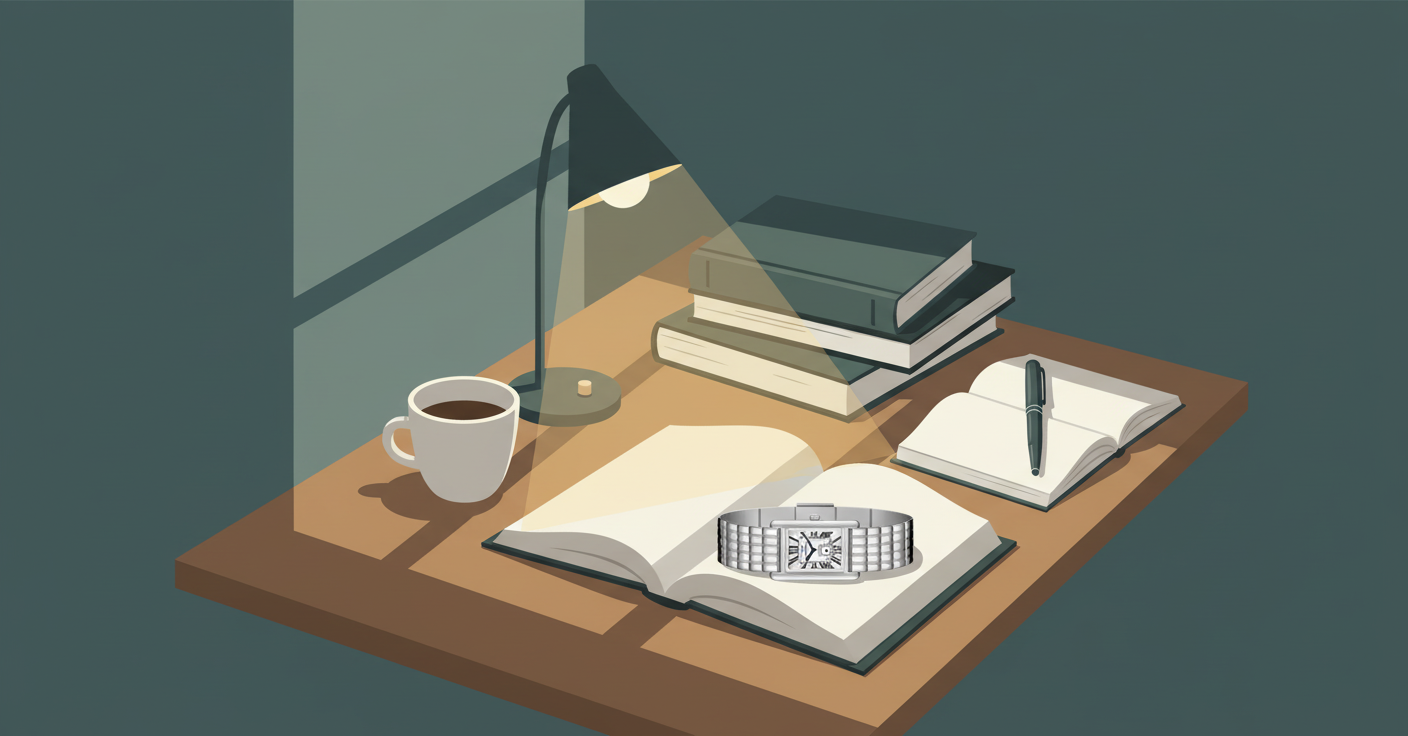
The glow of the screen is a false dawn. You know the feeling. It’s that moment, deep in a project or a chapter, when you reach for your phone to check the time. What should be a two-second glance becomes a ten-minute tumble down a rabbit hole of notifications, emails, and breaking news. Your focus is shattered. The thread is lost.
This isn’t a personal failing; it’s a design feature. Digital devices are engineered for engagement, their entire ecosystem built to capture and hold your attention. But for makers, writers, and anyone whose best work requires uninterrupted concentration, this constant pull is a tax on creativity. We need tools, not toys. We need instruments that serve our intention, not devices that hijack it.
Imagine a different tool on your desk. One with a quiet dial, a steady hand, and a single purpose: to mark the passage of time. No alerts, no buzzes, no infinite scroll. Just the silent, reassuring presence of an analog watch, ready when you need it and invisible when you don’t.
Why Analog Watches Excel for Reading and Deep Work
The fundamental advantage of an analog watch in a focus session is its finite nature. It gives you one piece of information. The time. There is no secondary menu, no swipe-up gesture, no pathway to distraction. This is the core of what makes analog watches for reading and deep work so effective. They allow you to stay in a state of flow.
Think of it as the difference between a map and a GPS. A GPS tells you the next turn, demanding your constant interaction. A paper map gives you the full context, allowing you to orient yourself and then put it away. An analog watch is like the map. You glance, absorb the information, and return your gaze to the page or the canvas. The cognitive load is near zero.
This simple interaction model is especially powerful for techniques like the Pomodoro method. Using a buzzing phone or a desktop app to time 25-minute sprints means starting and ending each session with the very source of distraction you’re trying to avoid. Using the bezel of a watch or simply noting the time on a dial is a physical, intentional act. It keeps the ritual grounded in the real world, away from the screen's gravity.
What Defines a Great Focus Watch?
Not every watch is perfectly suited for the task. While any timepiece is better than a phone, certain characteristics elevate a watch into a truly exceptional tool for concentration. The goal is function-first, with a form that supports, rather than distracts from, your primary activity.
- Uncompromising Legibility: The primary function is to tell time at a glance. This means a high-contrast dial is paramount. Think dark hands on a light dial, or the reverse. Applied indices or clear Arabic numerals are superior to minimalist, marker-free designs in this context. You shouldn’t have to squint.
- All-Day Comfort: A watch intended for long sessions at a desk or in a studio can't be a burden. It should have a modest case size that doesn't snag on a cuff and a weight that feels present but not heavy. The bracelet or strap must be comfortable for hours on end.
- A Quiet Presence: Some mechanical movements have a distinct, loud tick. While charming, it can be a source of distraction for the sound-sensitive. A high-quality quartz movement or a smooth-sweeping automatic offers a quieter experience, becoming part of the room's ambient texture rather than an interruption.
- Purposeful Complications: For deep work, simplicity often wins. A time-only or this piece watch is usually sufficient. However, a chronograph can be a brilliant and tactile way to time focus sprints, offering a satisfying click that a screen tap can’t replicate.
From Military Field to Creative Studio
The idea of a simple, legible, and durable watch as an everyday tool is not new. It has its roots in military history. Icons like the Hamilton Khaki Field were born from a need for soldiers to have a reliable timepiece they could read in an instant under any conditions. Watch enthusiasts have long appreciated these pieces not for their complexity, but for their honesty.
Similarly, classic dive watches like the Rolex Submariner or the more accessible Seiko SKX007, with their rotating bezels and bold markings, were adopted far beyond the ocean. People used them to time parking meters, steak searing, and, yes, work sessions. Their utility transcended their original purpose. This is the DNA of a great focus watch: legibility and function, refined into an object of intent. You do not need a military-grade tool for reading a book, but the principles of its design are what matter.
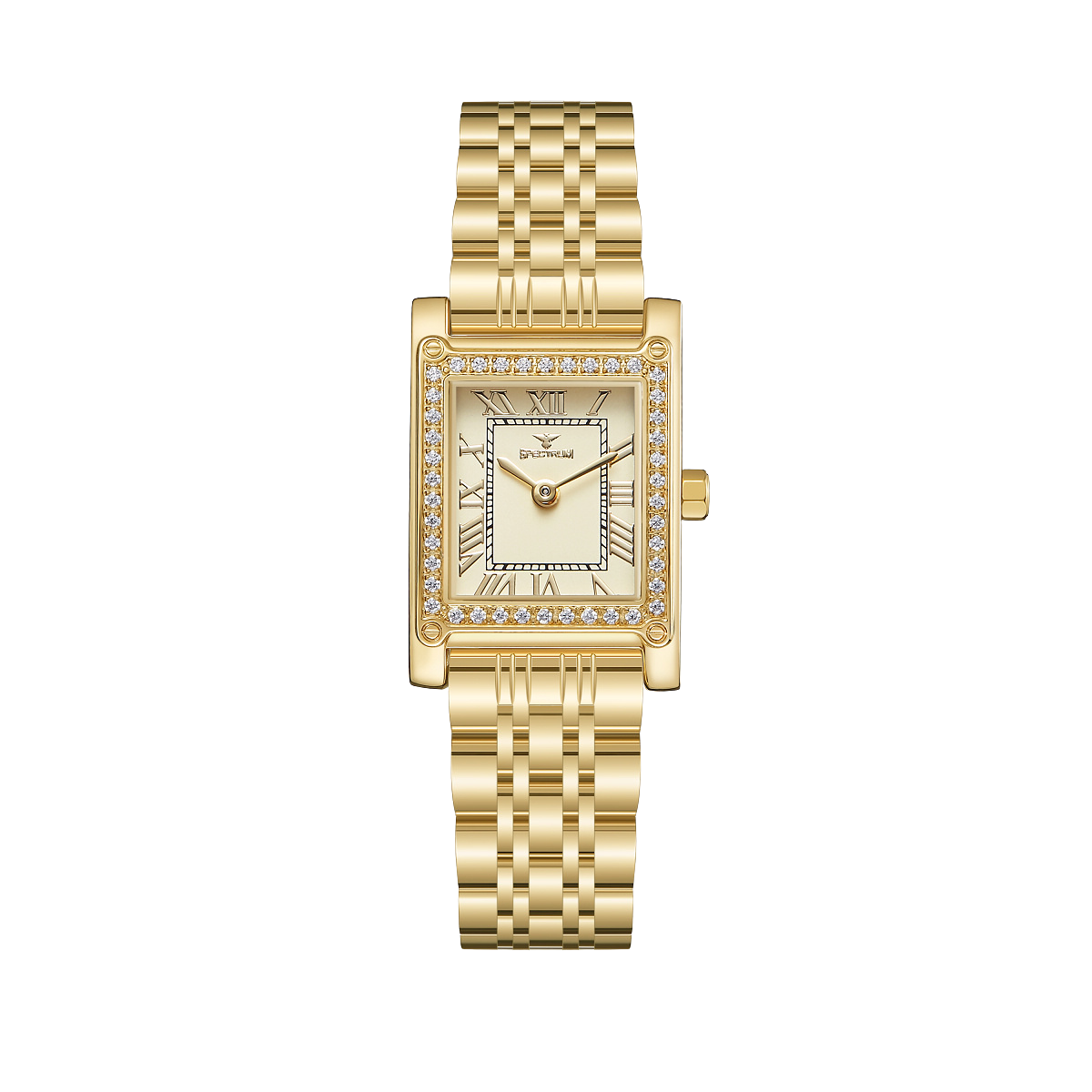
Spectrum translates this philosophy for the modern maker. We believe the principles of a great tool watch—clarity, reliability, and purpose—belong in the studio, the office, and the library just as much as they do in the field. This [[product: Women's Two Tone Gold Watch S17075L|refined two-tone timepiece]] embodies that idea, with its clear, uncluttered dial and versatile design. It has the functional clarity of a tool, presented in a form that is elegant and assertive. For those who prefer an even more direct statement, a clean, silver-dial model delivers pure, distilled function.
Building Your Off-Screen Ritual
Adopting an analog watch as your focus partner is a practice. Start by physically removing your phone from your desk. Place it in another room. This is the most crucial step. Then, put your watch on or place it on the desk next to your book or keyboard, angled toward you. It becomes a small, physical anchor for your attention.
If you're using the Pomodoro Technique, use the minute hand as your guide. If your watch has a rotating bezel, even better. Align the pip with the minute hand and you have a personal, 60-minute analog countdown timer. When the hand reaches the 25-minute mark on the bezel, take your break. The act of setting the bezel is a physical commitment to the task ahead. It’s a powerful idea, and one of the best gifts for makers you can give yourself or someone else.
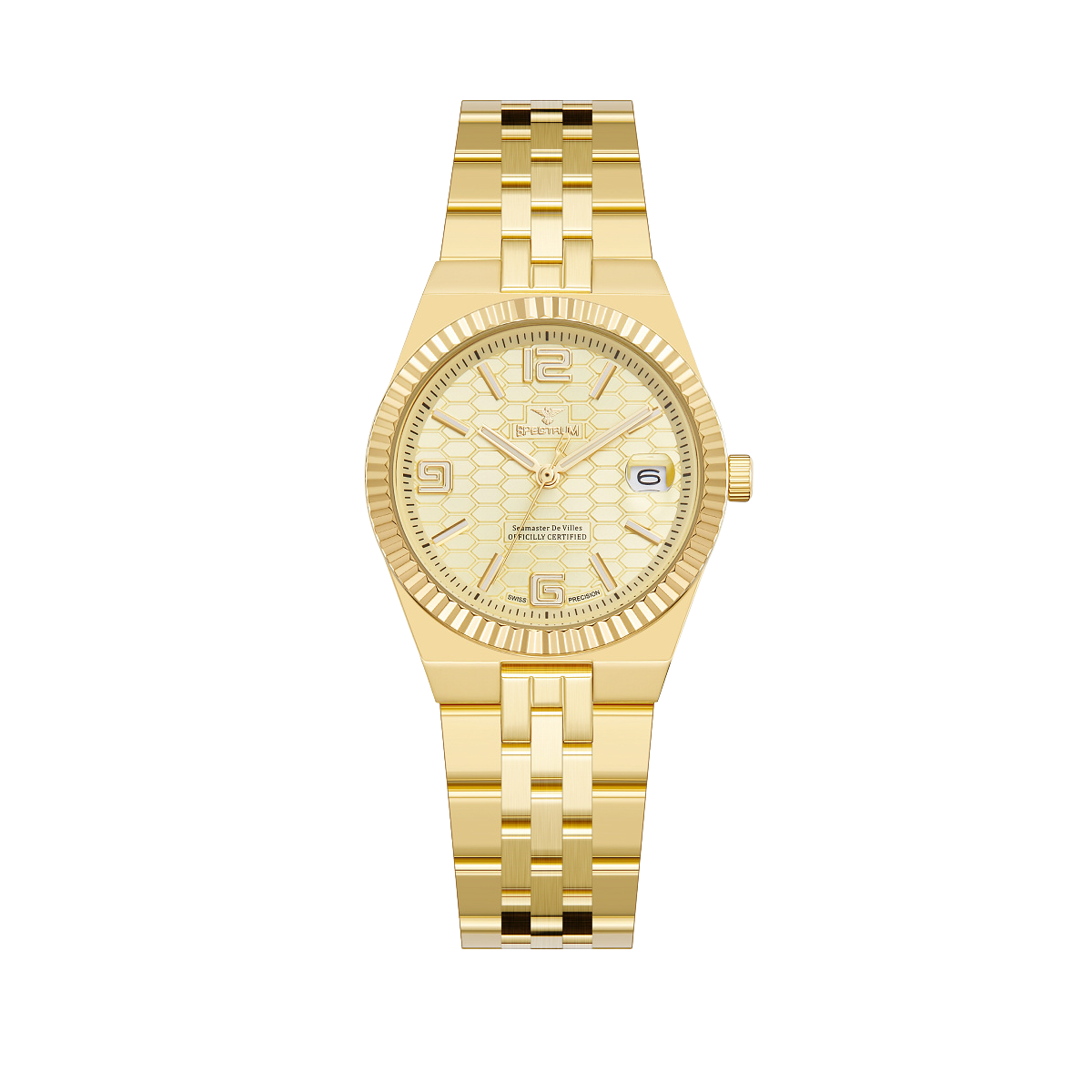
This isn't about Luddism or rejecting technology. It's about curation. It's about choosing the right tool for the job. You wouldn't use a hammer to turn a screw. Why use a networked entertainment device to tell the time when you're trying to concentrate? This deliberate choice is an act of self-respect, a declaration that your time and focus are valuable. It's a practice perfectly suited for a Creative, turning the abstract concept of time into a tangible, manageable partner. Whether it's a piece like [[product: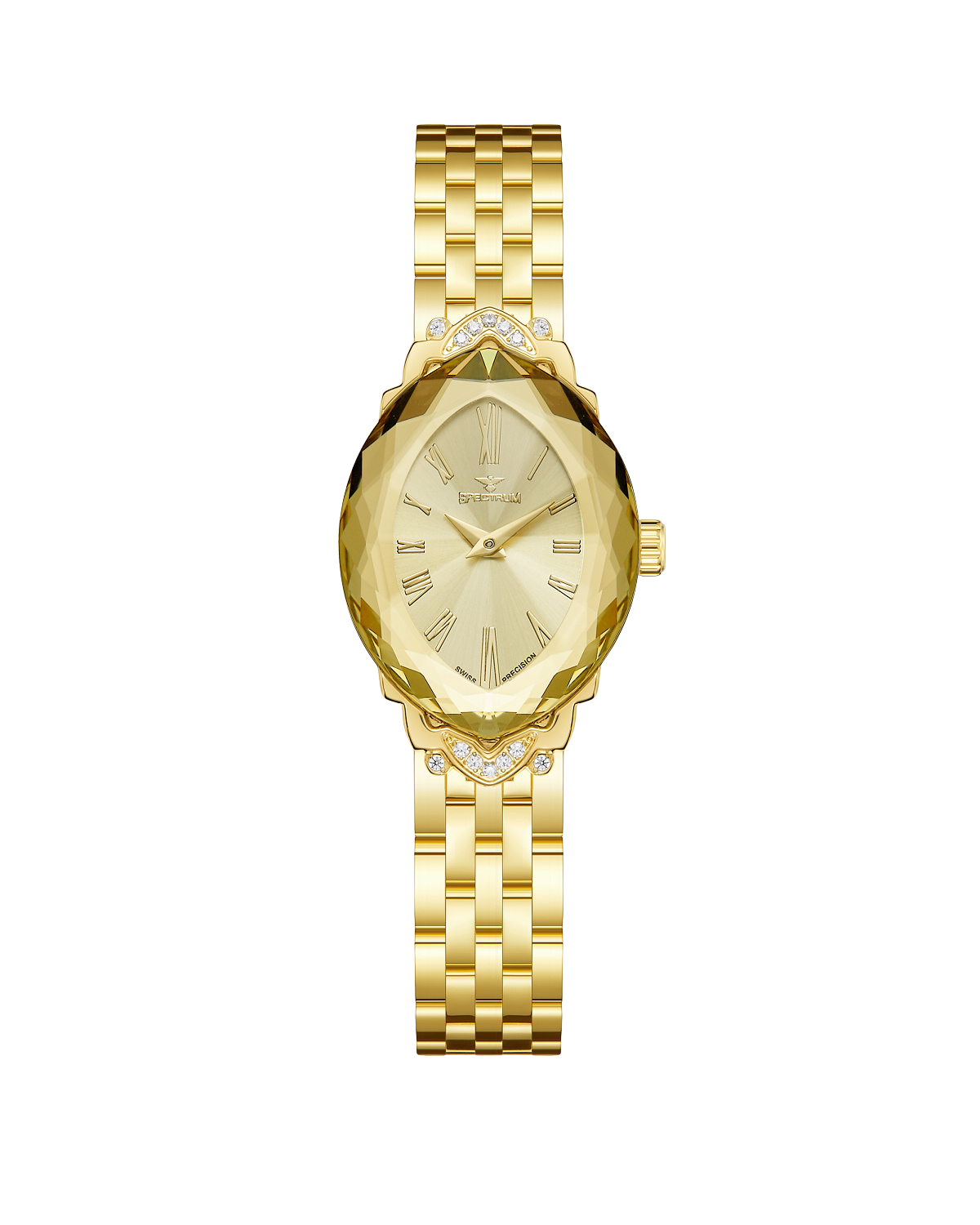 Women's Gold Watch S17091L|this polished gold watch]] or a utilitarian steel model, the statement is the same: my focus is mine.
Ultimately, a watch on your wrist during deep work is a statement of intent. It says you are here, in this moment, to do the work. It respects the hour not as something to be filled with notifications, but as a space to be occupied by thought. It’s time to reclaim your attention. The first step is deciding who you are today. A maker, not a browser.
About the author
Spectrum Editorial
The Spectrum Watches editorial desk
The Spectrum editorial desk — fact-checked, persona-mapped, and written for people who measure life in moments.