
A Father's Day Quiet Quartz For The Night-Shift Dad
For the father who works when the world sleeps, a dedicated analog tool can reclaim the quiet moments for focus, reflection, and recovery.
Spectrum Editorial · 7 min read · 23 views
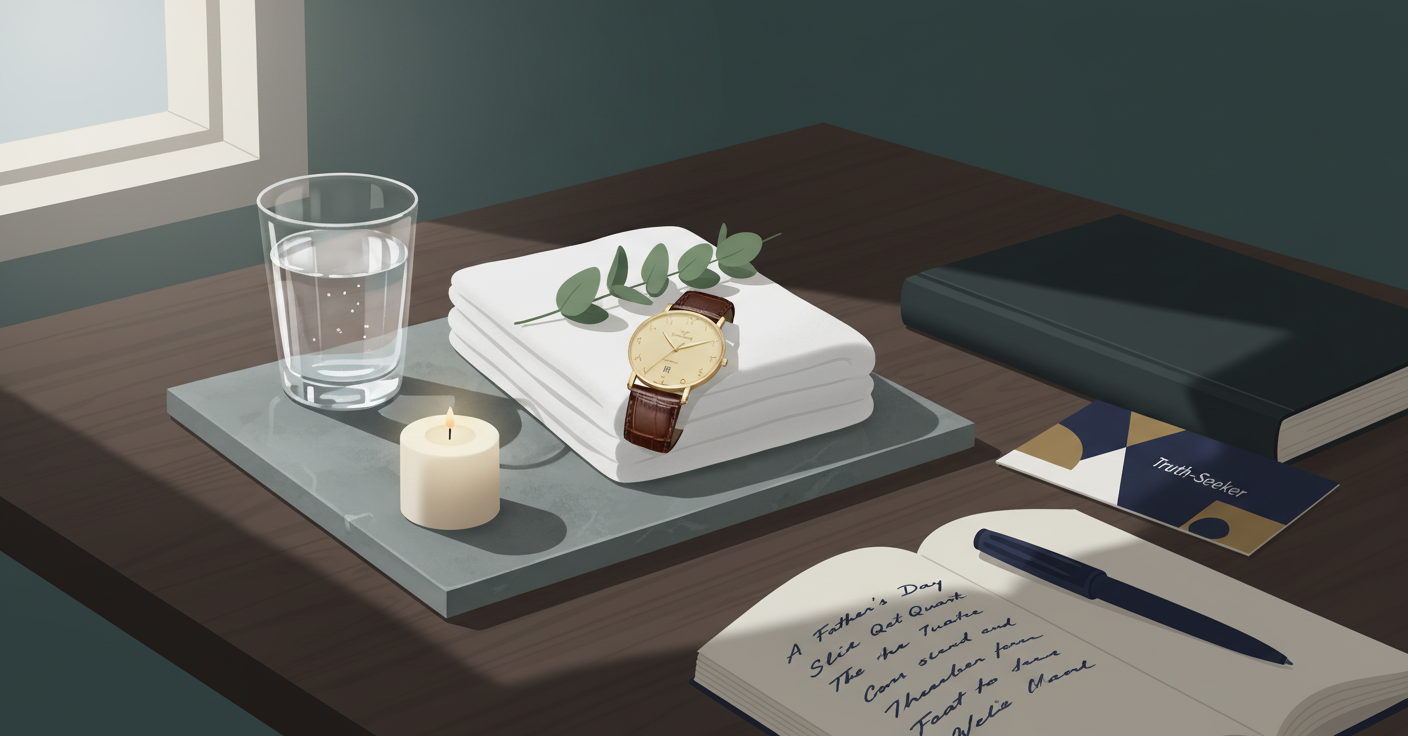
The key turns in the lock at 3:17 AM. Outside, the city is asleep, but for the night-shift dad, this is the end of a workday. Whether you’ve just come from an ER in Chicago, a firehouse in Texas, or a late shift at the plant, the return home is a moment of profound quiet. The house is still. Everyone else is deep in their sleep cycle. This is your time.
The temptation is to collapse onto the sofa and let the blue light of a phone wash over you. A few videos, a quick scroll through the news. But you know this doesn't help you decompress. It agitates. It keeps the mind racing when it needs to downshift. There is a better way to bridge the gap between high alert and restorative rest, and it doesn't involve a screen.
The Best Father's Day Quiet Quartz for the Night-Shift Dad
For anyone working against the clock, especially a father balancing demanding shifts with family life, digital fatigue is a real occupational hazard. Your phone is a tool for connection and information, but it's also a source of constant interruption. Every notification, every buzz, is a micro-claim on your attention, pulling you away from the present moment. This is particularly damaging during the crucial wind-down period after a stressful shift.
True recovery requires creating intentional space away from digital noise. The goal is to signal to your nervous system that the period of high demand is over. This requires a different kind of tool—one that is focused, unobtrusive, and serves a single purpose. It’s about reclaiming your time and attention before you finally get to rest, ensuring that sleep is deeper and more effective when it comes.
This is where a specific, targeted ritual can make all the difference. It's not about adding another task to an already long day. It's about investing a few minutes in a practice that pays dividends in mental clarity and emotional regulation. A simple, timed journaling session can be one of the most effective methods for offloading the cognitive and emotional weight of a shift.
The right instrument for this ritual is not an app. It's a reliable, legible, and quiet analog watch. A tool that helps you hold a container for your thoughts without opening the floodgates of the digital world. It’s an act of intention, a commitment to being present with yourself. This approach makes for a uniquely thoughtful [Father's Day watch](/this piece) gift, one that gives back the invaluable currency of focused time.
The Power of a 15-Minute Journaling Protocol
Journaling is often misunderstood as a vague, unstructured diary entry. For the analytical mind of a clinician, an academic, or an engineer, a more structured approach is far more effective. A simple, evidence-based protocol can turn journaling from a chore into a high-impact mental hygiene practice. This isn't about miracles; it's about mechanism. It works by externalizing thoughts, which reduces cognitive load and allows the brain to process experiences constructively.
Try the 15-minute wind-down protocol. It's designed to be brief but potent. Find a quiet spot, open a notebook, and set a timer for fifteen minutes. The objective is not to write a masterpiece but to get the thoughts out of your head and onto the page. You can use a simple prompt structure to guide you:
- Acknowledge (5 minutes): Write down one or two events from your shift that are sticking with you. Describe them factually, without judgment. What happened? Who was involved? What was the outcome? This is about documentation, not emotional exploration.
- Offload (5 minutes): List any lingering worries or unresolved loops. Is there a case you’re still thinking about? A conversation that felt incomplete? A task for tomorrow that’s already taking up mental space? Naming them reduces their power to intrude on your thoughts later.
- Release (5 minutes): Conclude by writing down one thing you are in control of right now. It could be the decision to get a full six hours of sleep, the plan to have breakfast with your kids when they wake up, or simply appreciating the silence of the house. This final step shifts your mindset from reaction to intention, restoring a sense of agency.
This structured offloading helps compartmentalize the stress of the job, preventing it from bleeding into your personal time and disrupting your sleep. It's a method embraced by high-performers to maintain mental fitness. It's a practice of self-awareness and control, central to the mindset of Truth-Seeker, who values understanding over noise.
Why an Analog Watch is the Superior Tool for Timed Focus
Why not just use a phone timer? The answer lies in the concept of a 'closed loop' versus an 'open loop' tool. When you pick up your phone to set a timer, you are opening a portal to a universe of distractions. A notification from last night is waiting. An email from work flashes on the screen. Before you know it, you’re not setting a timer; you’re managing your digital life.
An analog watch is a closed-loop system. Its function is to tell time. It does nothing else. It cannot show you an email, a news alert, or a social media update. By using a watch to time your journaling session, you create an inviolable boundary around your practice. You are making a physical, tangible commitment to fifteen minutes of focused, analog activity.
Timing this session with something like [[product: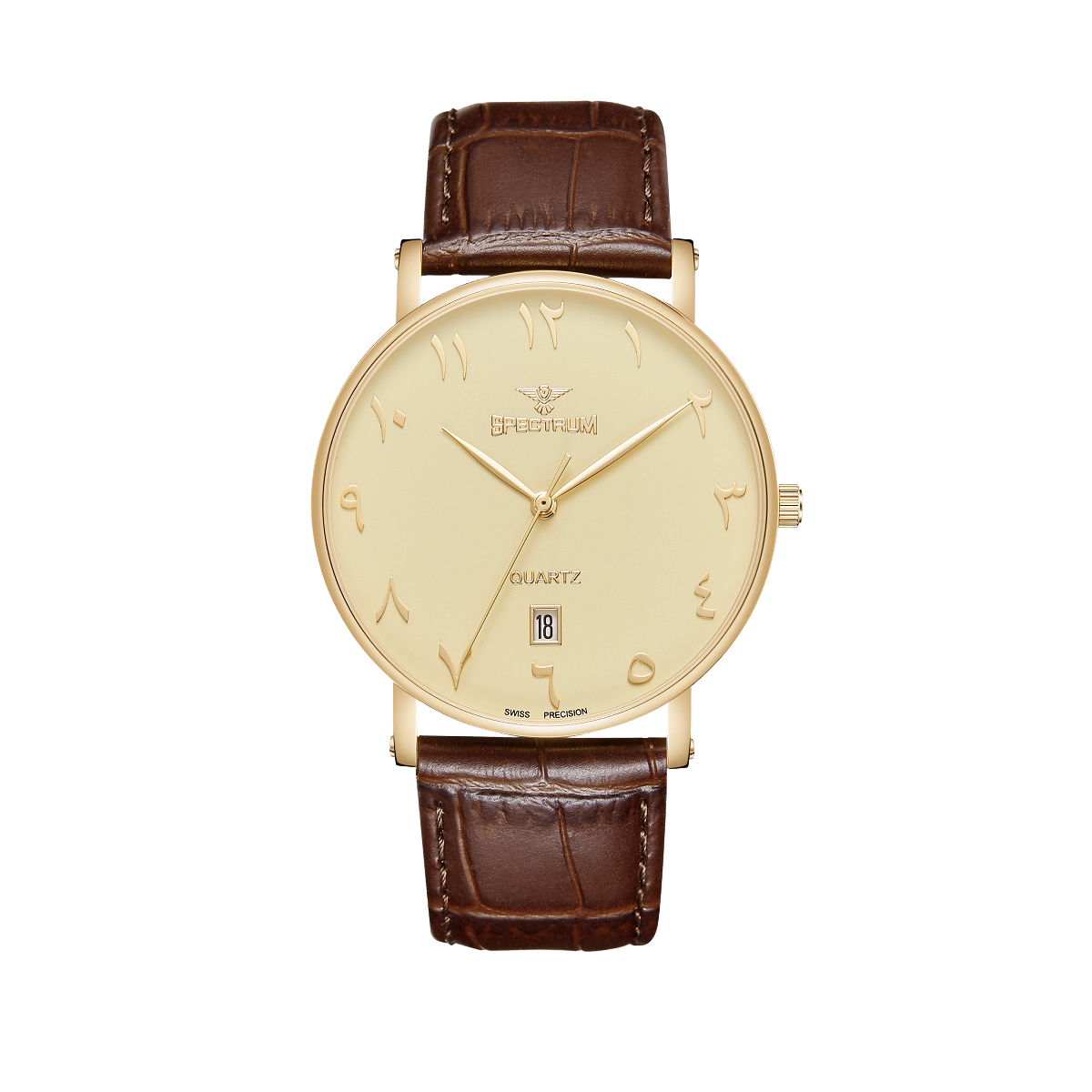 Men's Black Watch S17097M|this functional quartz piece]] is ideal. Its quiet quartz movement won't create an audible distraction in a silent room. The clear, legible dial allows you to track the passing minutes with a simple glance, keeping you anchored in the task without requiring interaction. This is not a 'smart' device designed to harvest your data or demand your attention. It's an honest tool for a specific job: managing your time with intention.
This simplicity is its strength. There is nothing to sync, nothing to charge overnight, nothing to update. It is always ready. It is a declaration that this small block of time belongs to you and you alone. It’s a rebellion against the cult of constant connectivity, a practical step toward reclaiming your own mind.
Choosing the Right Instrument: Beyond the Basics
For a professional whose work is physically and mentally demanding, the right watch is more than an accessory. It is a piece of essential equipment. Reliability is not a luxury; it is a prerequisite. This means looking beyond aesthetics to the core functionality and durability of the timepiece.
For someone working in a fast-paced environment like a New York City hospital, durability is paramount. Scratches, impacts, and exposure to fluids are part of the daily reality. Features like a sapphire crystal, which is highly scratch-resistant, and solid water resistance are non-negotiable. An easily cleaned strap is also critical. A watch on a robust band, like [[product: Men's Black Watch S17078M|this durable sport model]], can be quickly wiped down, maintaining hygiene standards and longevity.
When you're comparison shopping, you'll see many options. You have established workhorses in the Seiko 5 or Citizen price tier, known for their automatic movements. While excellent, a high-accuracy quartz movement offers a distinct advantage for the shift worker: this piece reliability. You never have to worry if it's wound. You can pick it up after three days off and know it's displaying the precise time. You don't need another app or a complex connected device from the minimal fashion watch tier that requires constant charging. You need a dependable instrument.
Spectrum's design philosophy, born in Dubai in 1990, is rooted in this principle of purpose-built utility. We build watches for people who do things, for the multi-dimensional lives they lead. By selling direct, we offer a level of material quality and thoughtful design that is rare at this price point. It's a different approach, focused on the persona of the wearer, not the trend of the season. The result is a tool that serves you, not the other way around.
About the author
Spectrum Editorial
The Spectrum Watches editorial desk
The Spectrum editorial desk — fact-checked, persona-mapped, and written for people who measure life in moments.
Wear the story