
What Are the Best Watches for Men? A Guide for Modern Thinkers
The best watch for a man isn't the one with the most features. It's the one that makes a deliberate statement about how you value your time and attention.
Spectrum Editorial · 8 min read · 20 views
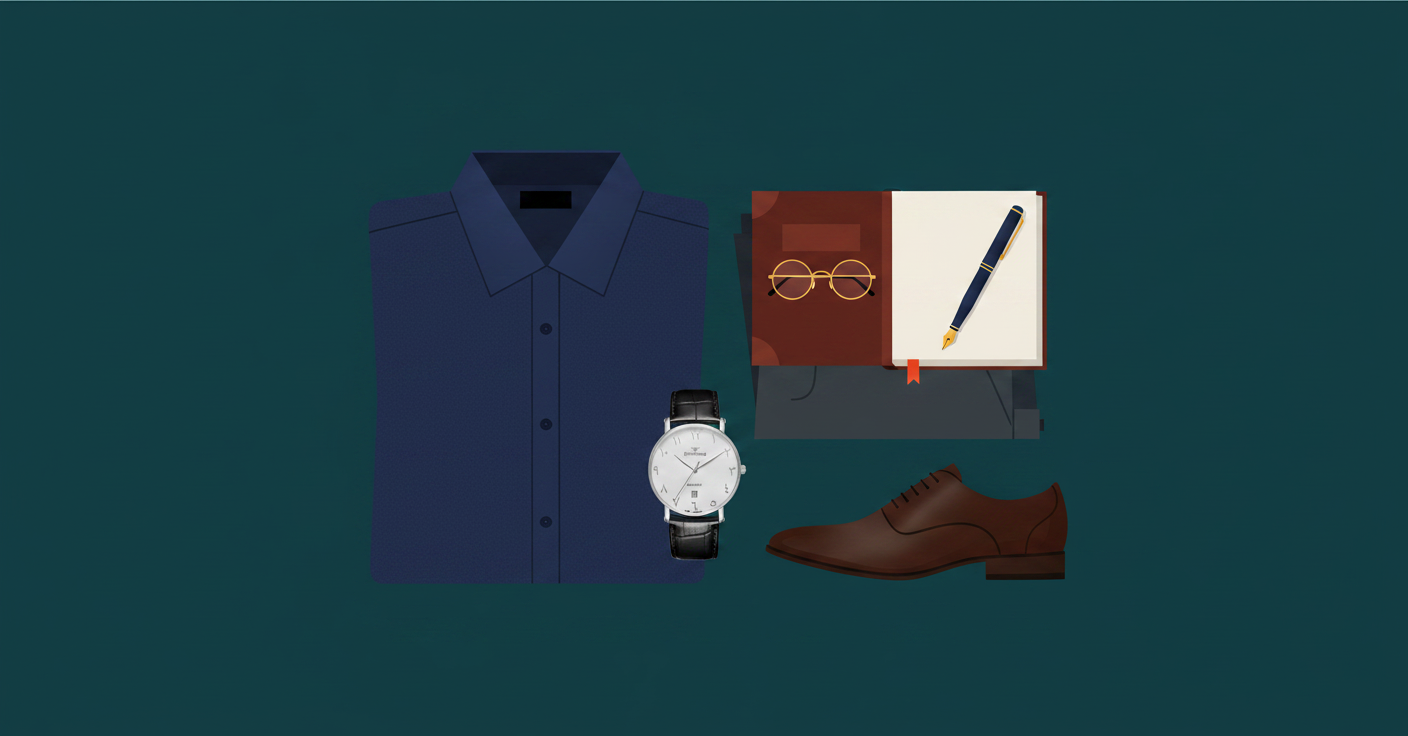
It’s Tuesday morning. The first quiet hour of the day, before the world begins making its demands. You have your ritual. The coffee is brewed, the notebook is open, the plan for the day is taking shape. You reach for your watch. This is not a mindless gesture. It is a decision. You are not strapping on a device that will ping, vibrate, and pull your focus into a thousand different directions. You are choosing an instrument of intention. A tool that does one thing perfectly: it tells time. This choice says more about you than any feature list ever could.
The search for the “best watch” is a noisy one. It's a landscape cluttered with spec sheets, paid rankings, and the endless pursuit of features. Heart rate, sleep stages, notifications, apps. Each one is another claim on your attention, another data point in the endless stream of digital noise. We offer a different definition of 'best'. A watch is not a computer on your wrist. It is a declaration of your independence from all that. It’s a commitment to the analog, the tangible, and the present moment.
What Defines the Best Watches for Men in an Age of Distraction?
The conversation around the best watches for men has been hijacked by technology. It’s been framed as a battle of features, with victory going to the device that can do the most things. We believe this fundamentally misunderstands the purpose of a watch in the 21st century. Its value is not in what it does, but in what it doesn't do. It doesn’t track you. It doesn’t interrupt you. It doesn’t need to be charged every night. It doesn’t become obsolete with the next software update.
A great watch is a piece of personal architecture. It is chosen, not assigned. It reflects a philosophy of time—that it is a finite resource to be managed with purpose, not a commodity to be optimized by an algorithm. The best watch is an anchor in the real world. It provides a single, unambiguous truth in a world of endless variables: the time. This simple act of looking at a dial instead of a screen is a small rebellion against the tyranny of the digital feed. It is a moment of quiet focus, a return to the self.
The Anatomy of a Statement Watch
Every element of a watch tells a story. It’s a language of materials, mechanics, and design that communicates without saying a word. Understanding this language is key to choosing a watch that is an authentic extension of your identity. Forget the brand hype for a moment and consider the components.
- The Case: This is the watch's body. Is it polished stainless steel, exuding a sharp, modern confidence? Or is it a brushed, utilitarian finish that speaks of action and resilience? The diameter, thickness, and shape determine how it sits on your wrist and interacts with a shirt cuff. It’s the foundation of the watch's character.
- The Dial: This is the face, the primary point of interaction. Is it clean and minimalist, a study in legibility and restraint? Or is it complex, with subdials and complications that hint at a deeper mechanical soul? The color, markers, and hands all set a distinct tone. The open-heart design of [[product:
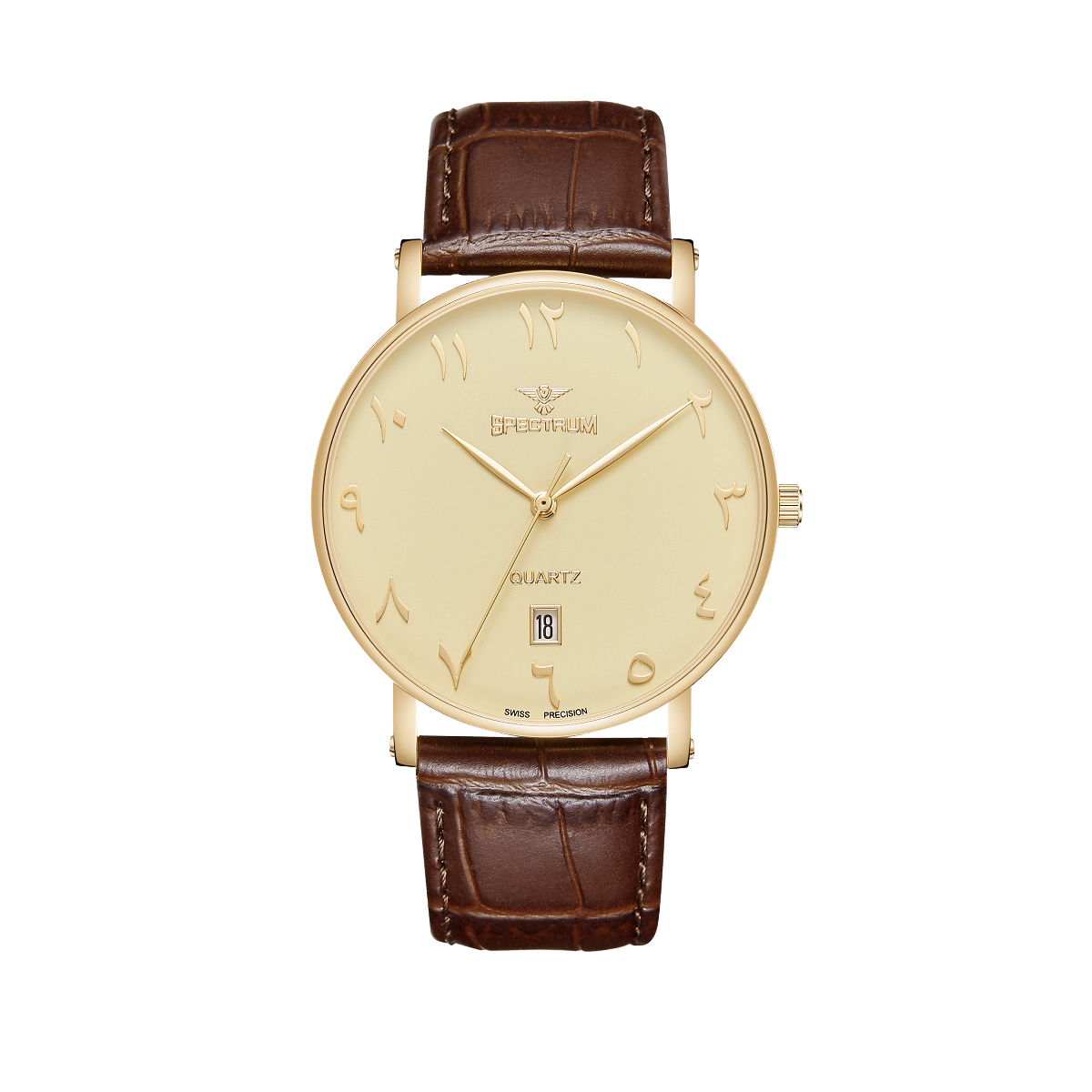 Men's Black Watch S17097M|this compelling automatic timepiece]] puts the mechanical escapement on display, celebrating the craft inside.
 - The Movement: This is the watch’s engine. A quartz movement is a marvel of precision and reliability, a modern solution for a this piece timepiece. An automatic mechanical movement is a living machine, powered by your own motion. It’s a centuries-old craft that connects you to a long tradition of horology. Neither is better; they simply offer different statements about your relationship with technology and tradition.
- The Strap: This is the handshake. A leather strap is classic, personalizing over time as it develops a unique patina. A stainless steel bracelet is bold and durable. A nylon strap is casual, rugged, and easily swapped to change the watch's entire feel. The strap completes the aesthetic and is the easiest way to adapt your watch to any occasion.
From Tool Watch to Personal Totem
Look at the history of the most iconic watches. They began as purpose-built tools. The Rolex Submariner was for divers who needed to time their oxygen. The Omega Speedmaster was for pilots—and later, astronauts—who needed a reliable chronograph. The Hamilton Khaki Field was for soldiers who needed a legible and tough timepiece in the trenches. They were defined by their function.
Today, you don't need a specific watch to dive or fly a plane; specialized computers do that. So why do these designs endure? Because their purpose has evolved. They are no longer just tools, but totems. They represent the spirit of those original functions: adventure, precision, and resilience. A modern diver-style watch isn't about the Mariana Trench; it's about a mindset of capability. A modern field watch doesn't just belong in the wilderness; it brings a sense of readiness to your urban life. When you choose a watch with this heritage, you are aligning yourself with those values.
This is a space where many watch enthusiasts and publications focus, comparing the modern Black Bay to the original Submariner, or debating the merits of the latest Speedmaster. That history is important. But the modern change-maker isn't just buying a piece of history. You are creating your own. The watch becomes a part of your story, a silent partner in your daily challenges and triumphs.
Choosing Your Watch: Beyond the Hype
So, how do you choose? You start with yourself. Not with a list of the “top 10” or what an influencer tells you is hot. You start with an honest assessment of your life and your style. Where will you wear this watch? To a boardroom, a lecture hall, a weekend project? What does it need to do? Tell the time, certainly. Maybe time a specific event with a chronograph. But more importantly, what does it need to say?
A watch should feel like an extension of your own skin. It should be proportionate to your wrist and comfortable enough to forget you’re wearing it. It should complement your wardrobe, not clash with it. This is where you can begin to think about how to build a look around your timepiece, making it the anchor for your personal aesthetic. We explore this more in our guide to watch and personal style.
Your watch should reflect your priorities. If you value precision and low maintenance, a high-accuracy quartz chronograph is a powerful choice. If you are captivated by craftsmanship and the poetry of mechanics, an automatic movement will provide a daily source of quiet satisfaction. Maybe you need a precision chronograph for timing projects or a simple three-hand watch for uncluttered focus. The choice itself is a statement.
The Analog Decision: A Commitment to the Present
Ultimately, choosing an analog watch in 2026 is a deliberate act. It is a vote for focus in a world of distraction. It is an embrace of single-purpose excellence in a world of multitasking mediocrity. It is a personal decision to carry a piece of art and engineering, a quiet counterpoint to the ephemeral glow of the screen.
This is a choice that resonates deeply with the Truth-Seeker, the individual who values depth over breadth, signal over noise. It is for the person who understands that true control isn't about tracking every metric, but about mastering your own attention. The best watch isn't found on a tech blog's leaderboard. It's found through introspection and an appreciation for objects that are built to last.
So, who are you today? Are you the focused academic, the decisive leader, the hands-on creator? There is a watch that tells your story. The best watches for men are not the ones that shout the loudest. They are the ones that listen.
About the author
Spectrum Editorial
The Spectrum Watches editorial desk
The Spectrum editorial desk — fact-checked, persona-mapped, and written for people who measure life in moments.
Wear the story