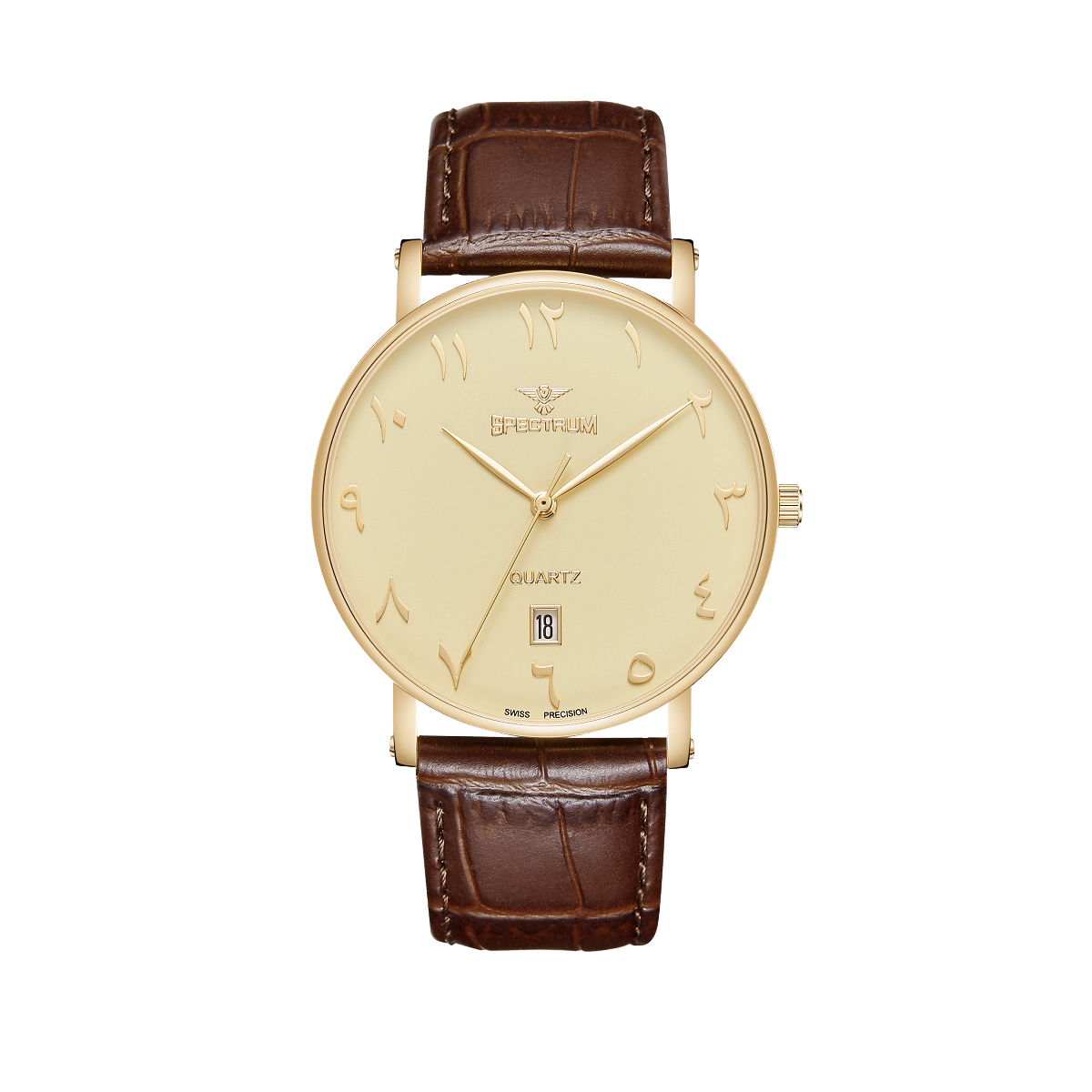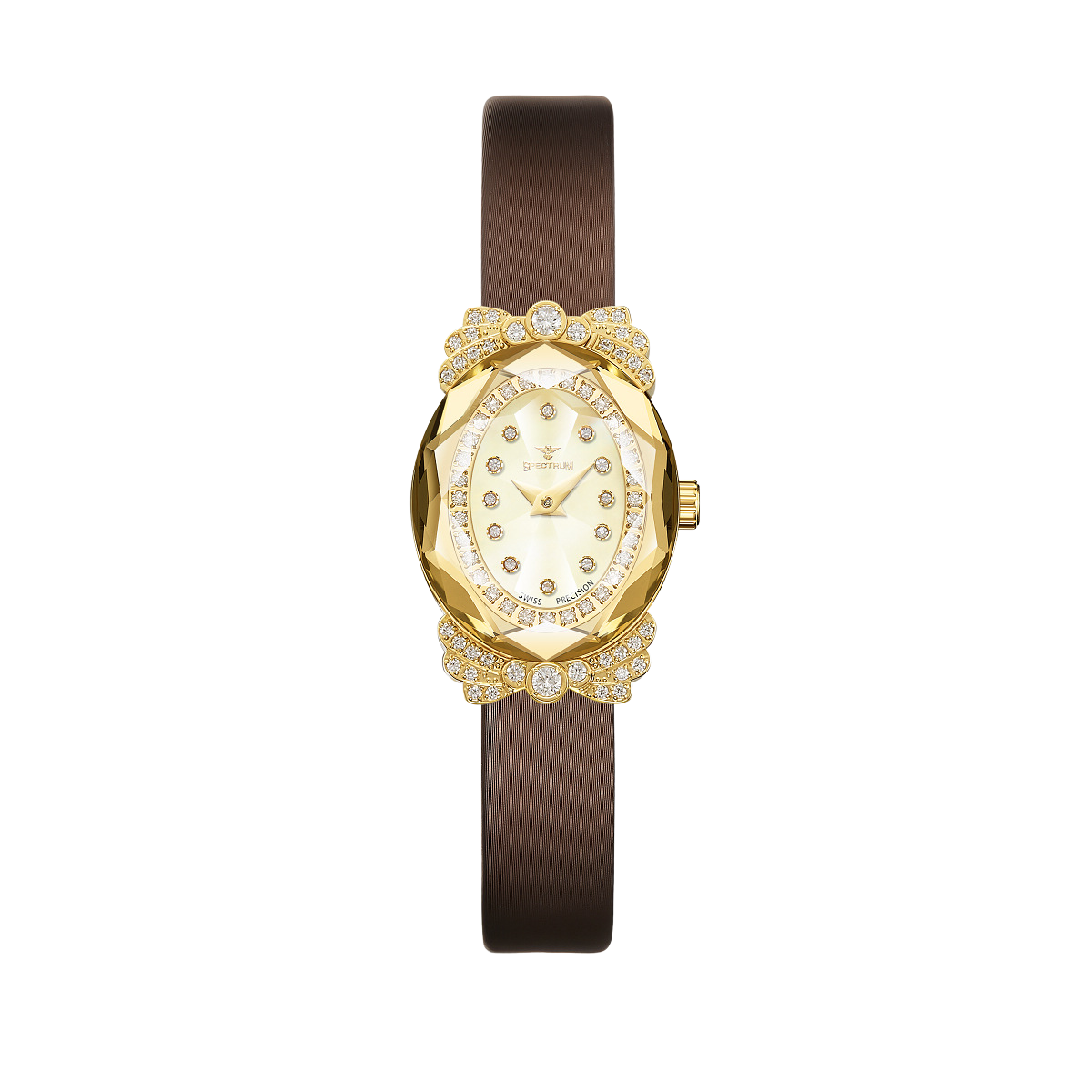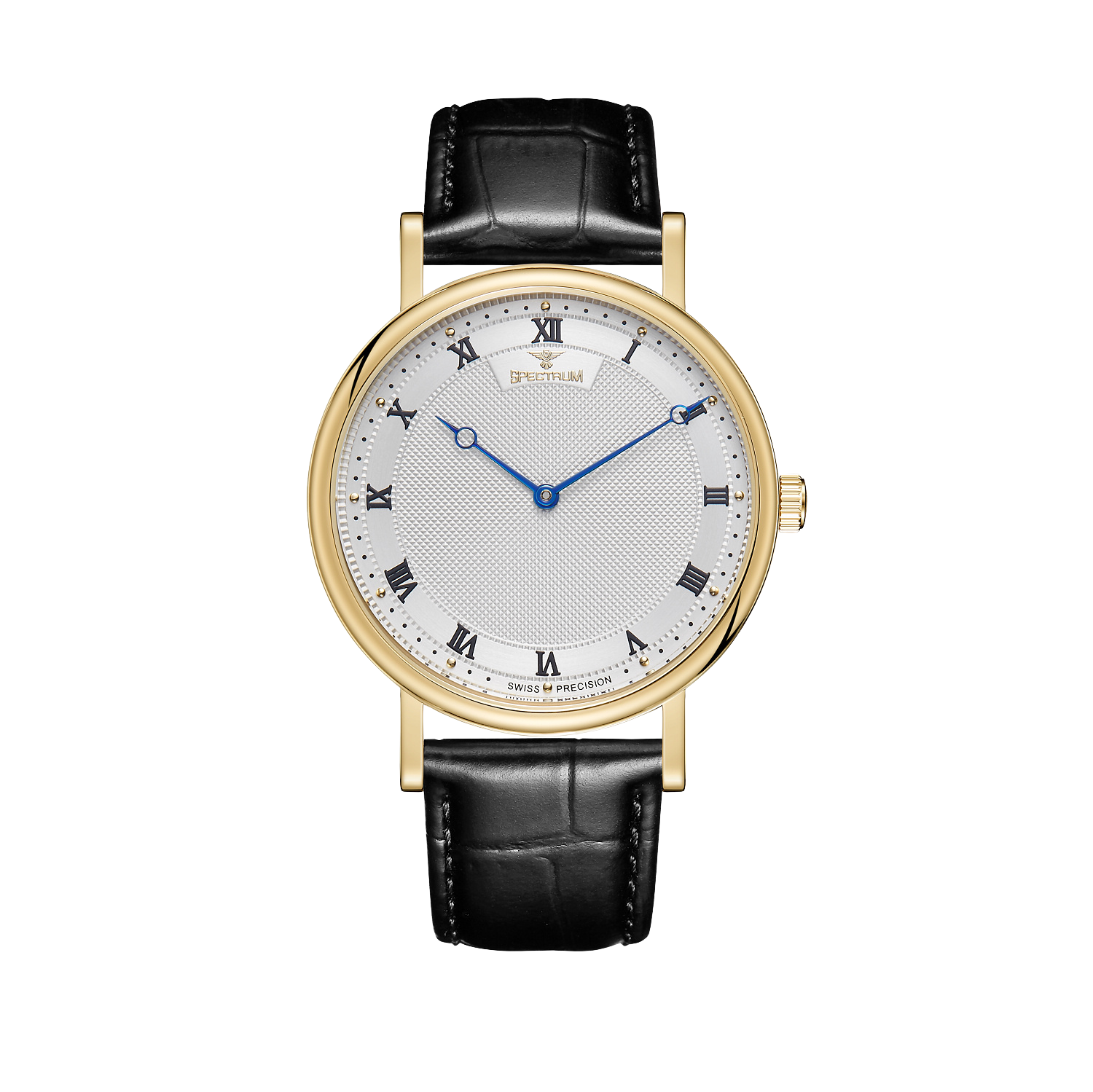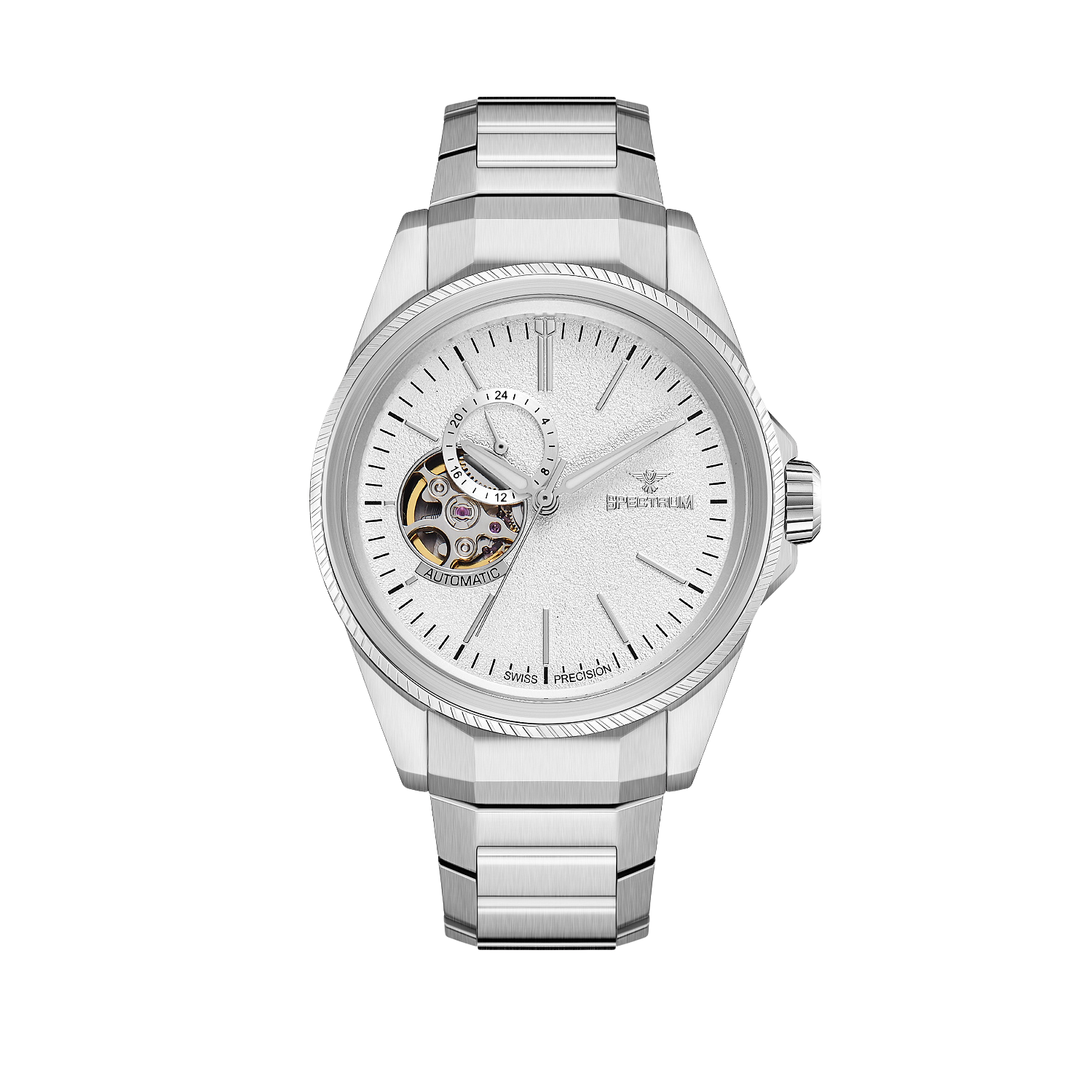
Timex Automatic Watches: A Quiet Story of Time
Discover the Truth-seeker watch collection at Spectrum Watches Dubai. Precision automatic timepieces designed for those who value clarity and style in the…
Spectrum Editorial · 12 min read · 41 views

The first light reaches the desk before it reaches the floor.
It slides over a closed notebook, catches the rim of a water glass, settles on the corner where receipts have been left in a neat, guilty stack. Outside, the towers hold their colour for a moment between grey and gold. The city is not awake yet, not properly. A lift door shuts somewhere down the corridor. A kettle ticks once, then stills.
On some mornings, the room feels unchanged from the night before. A blazer hangs over the chair back. A silk scarf waits beside keys. The same shoes are lined up by the wall, one slightly ahead of the other, as if they kept their own pace while everyone slept. We notice these things more when the hour is quiet. Objects seem to declare themselves then.
A hand reaches for the cup before the phone. The window is cracked just enough to let in the sound of a distant road and a bird that insists on beginning before everyone else. Nothing dramatic happens. The day does not arrive all at once. It gathers.
A Familiar Light Before the City Wakes
There is a particular stillness in high-rise mornings. The kind where the air-conditioning hums softly, and the glass gives the city back to itself in reflection. A desk near the window becomes a small stage for whatever life is being repeated there. A pen. A ring dish. A folded receipt. The cuff of yesterday’s shirt.
Some people begin the day in motion. Others sit for a minute and let the room adjust around them. In that pause, the smallest objects feel permanent. They carry yesterday into today without asking to be noticed.

We have always liked objects that seem more settled than we are. The sort that can sit by a window in weak morning light and look entirely at ease. It is part of why stories about timepieces often feel less like product stories and more like domestic ones. A wristwatch is rarely alone in memory. It appears beside coffee, fabric, train doors, desk lamps, and the quiet after a late return. That rhythm sits close to the mood of Rome’s timeless whisper hours, invested moments lived, where time is less announcement than atmosphere.
The room before the schedule
In the first minutes of the day, there is no need to explain anything. A person adjusts a sleeve. Someone else checks the weather through the window instead of on a screen. The mood is practical, but not hurried.
That is often how a lasting preference begins. Not with a grand decision. With repetition.
- The same desk: Used for work calls, late notes, and occasional silence.
- The same corner light: Changing every hour, but returning every morning.
- The same small objects: Kept, moved, worn, set down, found again.
> By the time the coffee cools, the room has changed slightly. The best objects have not.
Understanding the Heartbeat of Timex Automatic Watches
The appeal of timex automatic watches begins in a simple idea. They move because you move. No battery, no charging cable waiting by the bed, no small electronic interruption hidden behind the dial. The watch gathers energy from the ordinary mechanics of a day.
A movement that lives off the wrist
Inside an automatic watch, a weighted rotor turns with the motion of the wrist. That motion winds the mainspring. The mainspring releases stored energy through gears and an escapement, and the hands continue their patient work.
It sounds technical when written plainly, but on the wrist it feels less like machinery and more like companionship. The watch is not separate from the life around it. It is fed by walking to the lift, reaching for a bag, lifting a cup, turning a page.

Some of that feeling comes from age. Timex introduced automatic movements such as the 107/108/109 series from the late 1960s through the late 1970s, with a 38-hour power reserve and an operating rate of 18,000 beats per hour, a notable step in the brand’s history of durable and accessible mechanical watchmaking, as noted in this history of vintage Timex watches.
The quiet engine and the person wearing it
A mechanical watch asks for a different kind of attention. Not more attention. Just a different sort. You notice whether it has been worn. You sense when it has rested too long on a shelf. You learn its habits the way you learn the habits of a familiar room.
That relationship is part of the pleasure. We keep returning to the idea that some objects are better when they are lived with rather than merely owned. The old fascination with mechanisms was never only about precision. It was about visible continuity. About energy passing through springs and gears instead of disappearing into sealed systems. There is a similar mood in Time Mastery, where measured living matters more than dramatic reinvention.
What makes the movement feel human
A quartz watch marks time with certainty. An automatic often feels more personal. Its slight variations, its dependence on wear, its need to be set back into motion after a quiet spell, all of this gives it texture.
That texture is why people speak of these watches with unusual tenderness.
- No battery at the centre: The watch depends on movement and stored tension.
- A steady reserve: The older Timex automatic movements cited above carried 38 hours of power when wound and running normally.
- Mechanical rhythm: At 18,000 bph, the motion is not invisible. It is a measurable pulse.
> An automatic watch does not remove time from life. It lets life power time.
Stories Told by Dials and Hands
By afternoon, watches become easier to notice. Morning has one job. It gets everyone out the door. Later, under café lights or on a metro platform, a dial suddenly feels expressive.
The Marlin at the table edge
A Timex Marlin belongs easily to the half-finished espresso and folded receipt school of elegance. It does not need a dramatic setting. It is enough to leave it on the wrist while someone reaches for a ceramic cup, or rests an elbow on a table by the window while traffic gathers outside.
The Marlin first appeared in the 1960s, and it became one of Timex’s most popular models. By 1962, the wider strategy around stylish, accessible mechanical watches had helped Timex reach a remarkable position in the United States, selling one out of every three watches there, according to this account of Timex history and the Marlin line.
That scale matters historically, but in the hand it feels strangely intimate. The Marlin’s reputation rests less on spectacle than on balance. Dress-watch restraint. Familiar proportions. A sense that the design already understood the room before entering it.

Another scene on the platform
A different Timex automatic belongs to movement. Not to the café table, but to the train platform. Steel bracelet, sleeve pushed back, a quick glance before the carriage doors close. Some models carry more visual confidence. More edge around the bezel, more casual readiness in the case.
Such watches become less about a single look and more about recurring roles.
| Setting | What the watch adds | | --- | --- | | Quiet lunch meeting | A sense of calm finish | | Metro platform at dusk | Structure against the rush | | Family dinner in pressed cotton | Familiarity, not display |
Watches as recurring characters
The most memorable watches are rarely the loudest ones. They are the ones that return. We see the same leather strap with a different shirt. The same stainless steel case under office light, then under wedding lighting, then near a bedside book.
A watch enters a life this way. Not as a headline. As a recurring character.
There is something of that mood in two green dials and one wild Christmas night, where the object in question matters because it survives the changing scene. The clothes shift. The hour changes. The mood darkens or brightens. The dial remains recognisable.
> A good dial does not ask to be admired in isolation. It asks to be seen again.
How a Watch Becomes Part of Your Daily Fabric
A watch starts as an accessory and then, if it suits you, it stops feeling separate. It becomes part of how a sleeve falls, how a cuff is adjusted, how an outfit settles into itself before leaving the house.

Steel, leather, and the clothes around them
In Dubai, Abu Dhabi, Sharjah, and the in-between spaces people cross every week, clothing moves between registers with ease. A linen co-ord in the morning. Well-cut black in the afternoon. Embroidered fabric at night. The watch has to live through all of it without behaving like costume jewellery.
That is where stainless steel earns its place. It feels cool against the skin at first touch, then disappears into wear. Leather behaves differently. It keeps a memory of the wrist, darkens gently, and picks up the small signs of repeated use.
Some pairings stay with us:
- With soft tailoring: A modest dial keeps the line of the sleeve clean.
- With denim and flats: Steel adds intention without making the outfit formal.
- With occasion wear: A mechanical watch often feels quieter than a smartwatch, and therefore more considered.
The desi evening and the sweeping second hand
There is a particular pleasure in wearing an automatic watch with desi clothing. A kurta in off-white cotton. A sari with a brushed metal clutch. A sherwani in deep green under warm lights. In those settings, the watch does not need to compete with embroidery or colour. It only needs to belong.
That understated belonging is no longer a niche instinct. In the AE region, searches for “automatic watches for ethnic wear” have risen by 28% since April 2025, a shift linked in the source material to the 3.5M+ South Asian expat population seeking timeless alternatives to smartwatches for kurtas, sherwanis, and other occasion dressing, as referenced on Timex’s Marlin Automatic collection page.
The interest makes sense. A mechanical watch offers visual motion without the lit screen. It adds presence, not interruption.
A moving image makes that easier to feel than to explain.
Unboxing Timex's NEW Low-Cost Seiko 5 Lookalike - Can It REALLY Compete? - YouTube
Tap to unmute
Unboxing Timex's NEW Low-Cost Seiko 5 Lookalike - Can It REALLY Compete? In The Loupe
In The Loupe52.6K subscribers
What remains the same
Individuals rarely build an outfit around a watch every day. The better truth is simpler. They wear a watch that can survive many outfits.
One week it sits beside a work tote and notebook. Another evening it appears beside henna, polished shoes, and perfume left uncapped on a dresser. The watch becomes part of the daily fabric because it does not force the rest of life to adjust around it.
The Practice of Maintenance and Repair
Mechanical affection becomes real at the service counter.
A watch can be romantic on the wrist and still require practical care. That is not a contradiction. It is the point. Anything built from moving parts and expected to live for years deserves a little respect.
The climate has its own opinion
In the AE region, the environment is not passive. Fine dust gets into corners of daily life. Humidity lingers where people least expect it, especially between air-conditioned interiors and heavy outdoor heat. Automatic movements feel those conditions over time.
In these conditions, many global care guides become slightly abstract. Watch enthusiasts in the UAE report a 35% higher failure rate for automatic watches in desert climates because of silica ingress and humidity, while many broader service guides still point to a 5 to 7 year overhaul rhythm that may not suit local conditions, as discussed in this UAE-focused service and maintenance reference.
> Repair is not a sign that an object failed. Often it is proof that the object was worth keeping.
What attentive ownership looks like
Care does not need to become ritualistic. It only needs to become normal.
A few habits tend to matter more than people think:
- Regular wear or regular winding: Mechanical pieces prefer not to be forgotten for long stretches.
- Thoughtful storage: A closed drawer protects better than an open shelf near dust and steam.
- Trusted servicing: Parts, seals, and movement handling are not interchangeable across every workshop.
For anyone who already thinks in terms of keeping rather than replacing, a dedicated repair path matters. It is why we pay attention to services that treat maintenance as part of ownership rather than an afterthought, including repair services designed around long-term wear.
The watch after the service cloth
There is a small, distinct feeling when a serviced automatic returns to the wrist. The crown winds with a cleaner resistance. The case feels familiar again, but renewed. The dial has not changed. The relationship has deepened.
That may be the quietest luxury in watch ownership. Not novelty. Continuity with care.
Choosing a Watch That Stays With You
There comes a point when collecting becomes less interesting than returning. Not everyone wants a drawer of options that rarely leave the tray. Many people want one or two watches that understand the pace of their actual lives.
Rotation over accumulation
A steady rotation has its own elegance. One watch for pressed shirts and long afternoons. Another for softer days, travel, or evenings that begin late. The point is not restraint as discipline. It is clarity.
That is one reason certain Timex automatics continue to hold attention. Some models use the Japan-made Miyota 8215, a 21-jewel automatic calibre with a 38 to 40 hour power reserve, and in examples cited by Hodinkee, the watches pair that movement with 316L stainless steel cases that resist corrosion well in humid AE conditions when properly cared for, as described in Hodinkee’s introduction to the Timex Marlin Automatic.
The details matter because they support a larger mood. Reliability is rarely glamorous in the moment. It becomes beautiful in retrospect.
The kind of watch that earns repetition
We tend to think the right watch should feel resolved. Not flashy on first meeting. Better on the fifth wear than on the first. Better in a real wardrobe than in a display case.
That preference shapes how many people browse the wider world of everyday watches. Not necessarily to chase novelty, but to find something that can live across moods and years. Stainless steel. Clear dials. colours that work with lived-in clothes rather than only idealised ones.
A watch that stays often shares a few qualities:
- Material honesty: Steel that can take daily wear without drama.
- Design restraint: Enough character to be noticed, enough calm to be repeated.
- Serviceability: A future beyond the first scratch or the first dry gasket.
> The watches people keep are rarely the ones that shouted the loudest in the shop window.
The longer story
By this point, the appeal of timex automatic watches sits beside a broader preference. We want objects that age into us. Things that survive humid evenings, office light, family gatherings, delayed trains, folded cuffs, and the daily carelessness of being alive.
That preference does not end with one brand. It becomes a way of choosing.
The Evening Light Catches the Same Dial
By night, the desk has changed again.
The notebook is open now. The glass is half-empty. A lamp throws a warmer circle than the morning sun did, and the window holds the city in points of light instead of outlines. Somewhere below, a car turns into the service road. Someone upstairs drags a chair across the floor and stops.
The outfit has changed. The pace has changed. The day has gathered its usual layer of errands, messages, small delays, and quiet recoveries. But the wrist is familiar.
A glance down is enough. The same dial catches the light at a different angle. The hands continue. The second hand keeps its measured sweep. It does not seem concerned with whether the hour felt long or short. It carries the day into the next one.
Tomorrow has a habit of arriving this way. Through the same window, onto the same desk, beside the same small objects that waited where they were left.
Spectrum keeps company with that kind of routine. If you like watches that sit easily inside real wardrobes and repeated days, you can explore Spectrum as part of that ongoing rotation.
About the author
Spectrum Editorial
The Spectrum Watches editorial desk
The Spectrum editorial desk — fact-checked, persona-mapped, and written for people who measure life in moments.
Wear the story