Watch Subscription vs. Collecting: The Honest Comparison
Monthly watch clubs rent you a rotation. Collecting builds a wardrobe you own. A truth-seeker's breakdown of the real cost, the real value, and which actually fits your life.
Spectrum Editorial · 9 min read · 51 views
'/%3e%3cpath%20d='M640%20270%20A280%20280%200%200%200%20640%20830%20Z'%20fill='%23703331'/%3e%3cline%20x1='120'%20y1='1320'%20x2='1160'%20y2='1320'%20stroke='%23703331'%20stroke-opacity='0.55'%20stroke-width='2'/%3e%3c/svg%3e)
There''s a quiet argument happening in the watch world right now, and most people miss it because the marketing is so loud.
On one side: monthly watch subscriptions. Pay £40 to £100 a month, a new watch arrives, you wear it, you return it, another one shows up. WristMafia, Eleven James (in its day), Watch Gang, Bezel Club — the pitch is the same. Variety without commitment. Try before you buy. The Netflix of timepieces.
On the other side: collecting. You save, you research, you buy one watch. You wear it. Maybe in two or three years you buy another. The collection grows the way a library grows — slowly, deliberately, with rooms for the ones you keep coming back to.
Both work. Neither is wrong. But they are not the same product, and the cost-benefit math is rarely honest in the brochures.
This is the honest comparison.
What a watch subscription actually gives you
A subscription is access. You pay a recurring fee, and in return you get rotation — a different watch every month, sometimes every quarter, depending on the tier. The watches are usually mid-range microbrand or fashion pieces in the £200–£2,000 retail range. You wear them, you ship them back, the cycle continues.
The honest case for a subscription:
- Variety with no commitment. If you genuinely don''t know what you like — sporty, dressy, vintage-feel, modern — a subscription lets you wear ten styles in a year without owning any of them. That''s real exposure.
- No depreciation risk. You are not the owner. Resale value is not your problem.
- A talking piece each month. If you''re in a social or professional setting where a new watch each month is a feature, that''s genuine entertainment value.
The honest case against:
- You own nothing at the end. Twelve months of a £75/month subscription is £900 you''ll never see again. Pause for a year, and you''re left wrist-bare with no asset and no memory.
- The selection is narrower than it looks. Subscriptions pool stock. The "thousands of watches" pitch usually means a few hundred SKUs cycled across thousands of subscribers. You will see repeats.
- No relationship with the piece. A watch you wear for four weeks and ship back never becomes yours. There''s no patina on the strap, no scratch on the caseback you remember earning, no story.
- Total spend creeps up. Three years of £75/month is £2,700. For that money you could own two good mechanical watches outright.
What collecting actually gives you
Collecting is ownership. You research, you buy, you wear. The watch is yours. If you sell it, the money comes back to you. If you keep it, it ages with you.
The honest case for collecting:
- You own an asset. A well-chosen mechanical watch from a reputable maker holds 50–80% of its value over a decade. Some hold all of it. Subscriptions hold zero.
- A wardrobe, not a rotation. Three watches you actually own — one daily, one sport, one dress — covers 95% of what any subscription is trying to deliver, permanently.
- The watch becomes part of your life. The dent from the day you dropped a wrench on it. The strap you replaced after a holiday in Oman. The caseback engraving from your father. Subscriptions can''t do this.
- Resale freedom. Bored of a piece? Sell it, recover most of your money, buy the next one. The collection evolves on your terms.
The honest case against:
- Bigger upfront commitment. A good first mechanical watch is usually £400–£1,500. You feel it more than a monthly direct debit.
- You have to do the work. Research, fit, strap choice, servicing every 5–7 years for a mechanical. Subscriptions handle all of that.
- Mistakes are yours to keep. Buy the wrong watch and you''re stuck with it until you resell — usually at some loss.
Side-by-side: three years, real numbers
Let''s be specific. Three years, mid-range tier.
| | Subscription (£75/mo) | Collecting (£1,500 spend) | |---|---|---| | Total cash out | £2,700 | £1,500 | | Asset owned at year 3 | None | One watch, ~£900–£1,200 resale | | Watches worn | ~36 (mostly repeats) | 1 (deeply) | | Net cost | £2,700 | £300–£600 |
A subscription is 4× to 8× more expensive over three years once you account for the asset you''re left with. That''s not a marketing line; that''s arithmetic.
What the subscription gives you for that premium is exposure — the ability to wear and feel watches you''d never buy. If you genuinely value that variety, the maths is fine. If you''re using the subscription as a substitute for "I don''t know what I like yet," it''s an expensive answer to a cheaper question.
When a subscription is genuinely the right call
There are real cases for it:
- You''re in your first six months of caring about watches. Try four or five styles before you commit to anything. A short subscription is cheaper than a wrong £1,200 purchase.
- Your work demands visible variety. Photographers, presenters, on-camera professionals where the watch is part of the brief — rotation has utility.
- You travel constantly and don''t want to carry pieces. Have the next watch waiting at home when you land.
Treat it like a short-term tool, not a long-term lifestyle. Six months, learn what you like, cancel, buy the watch you actually want.
When collecting is the right call
For most people, most of the time:
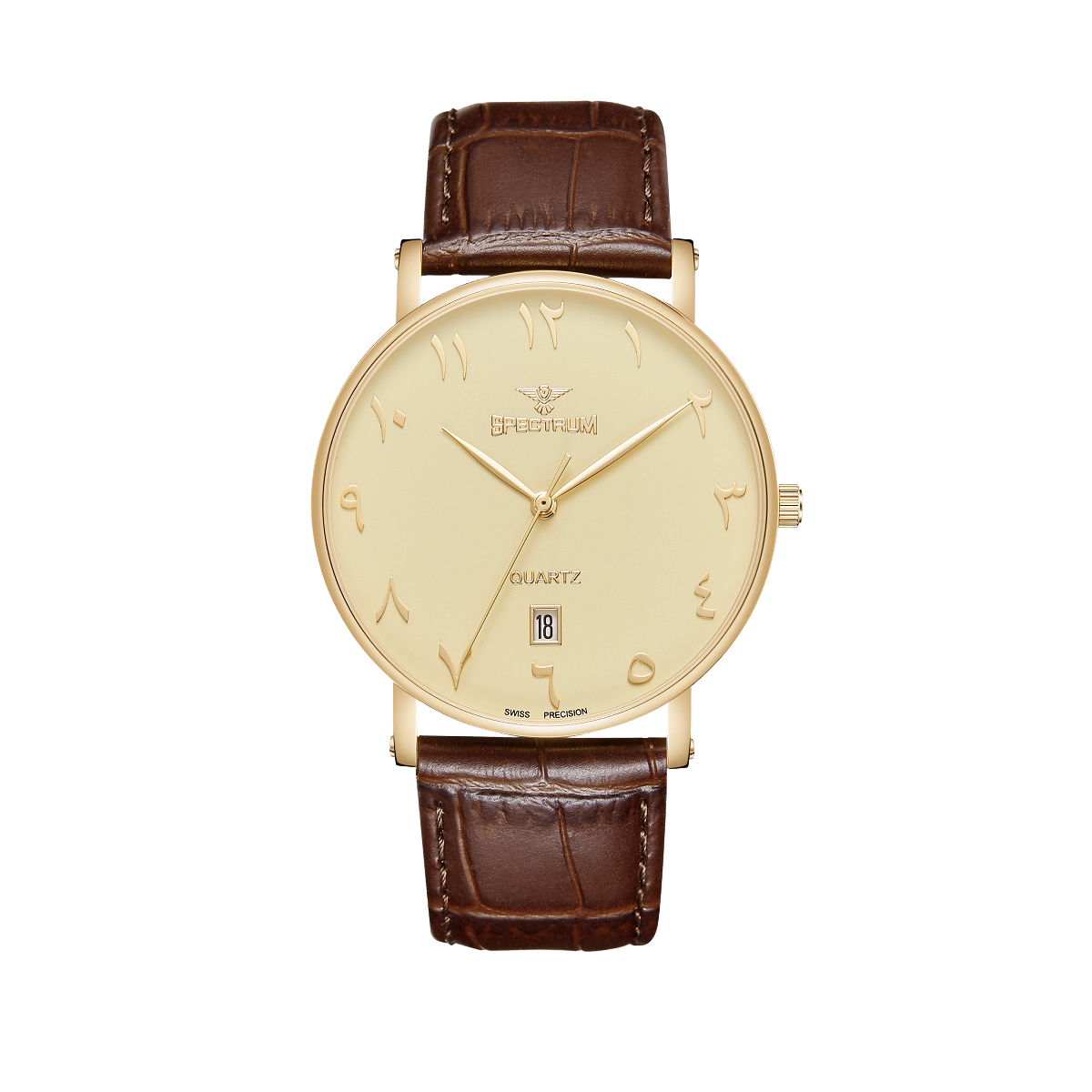
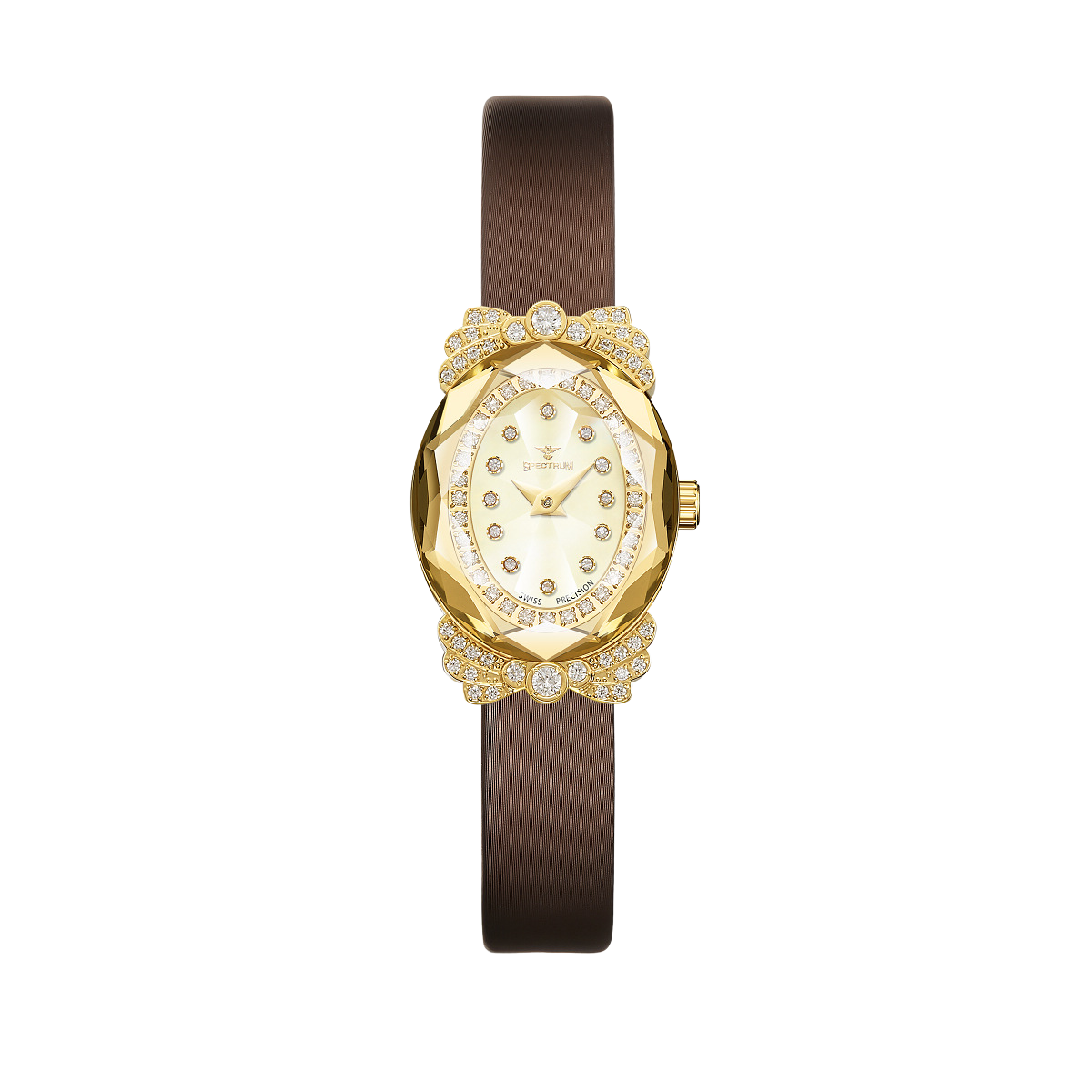
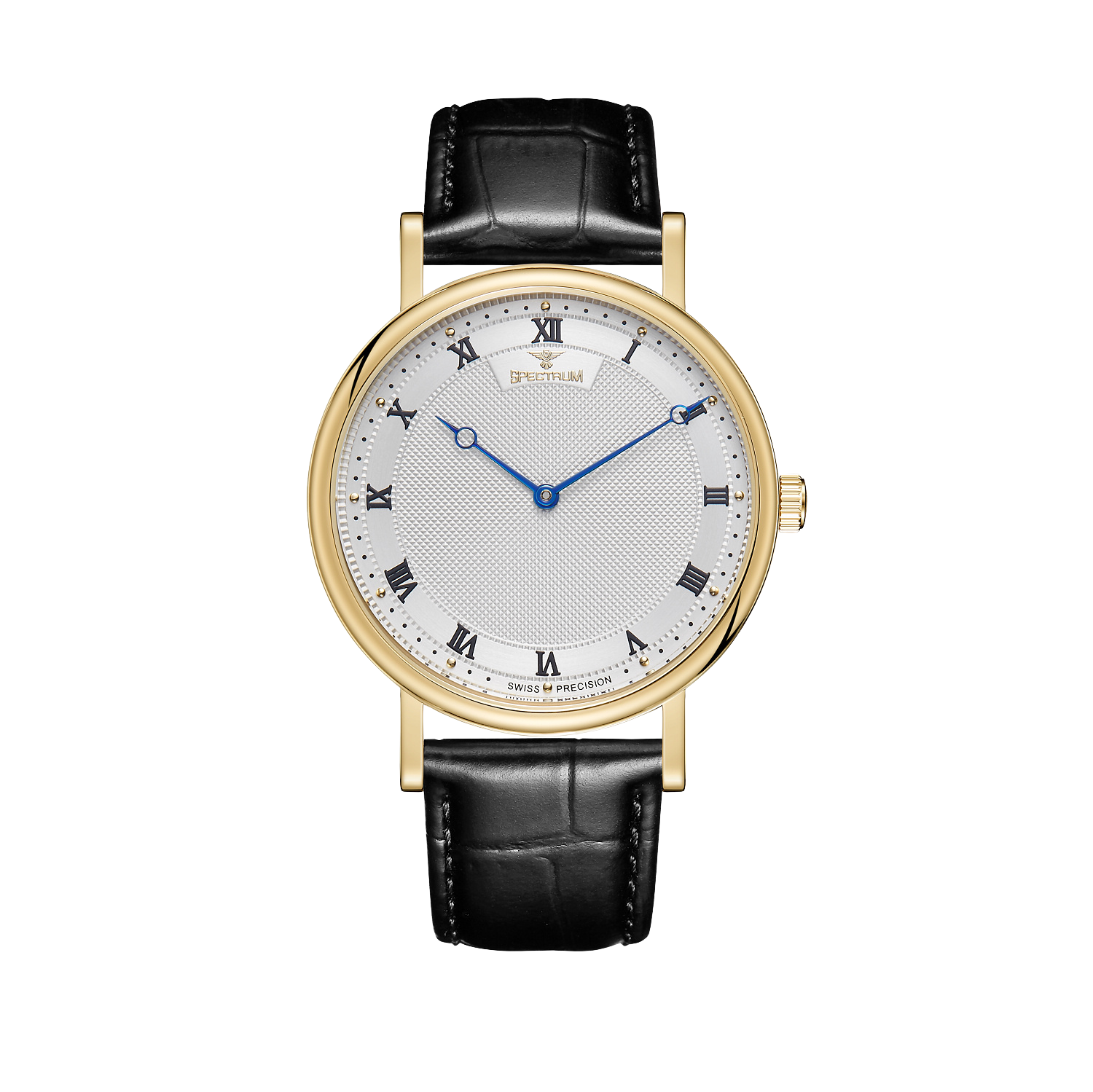
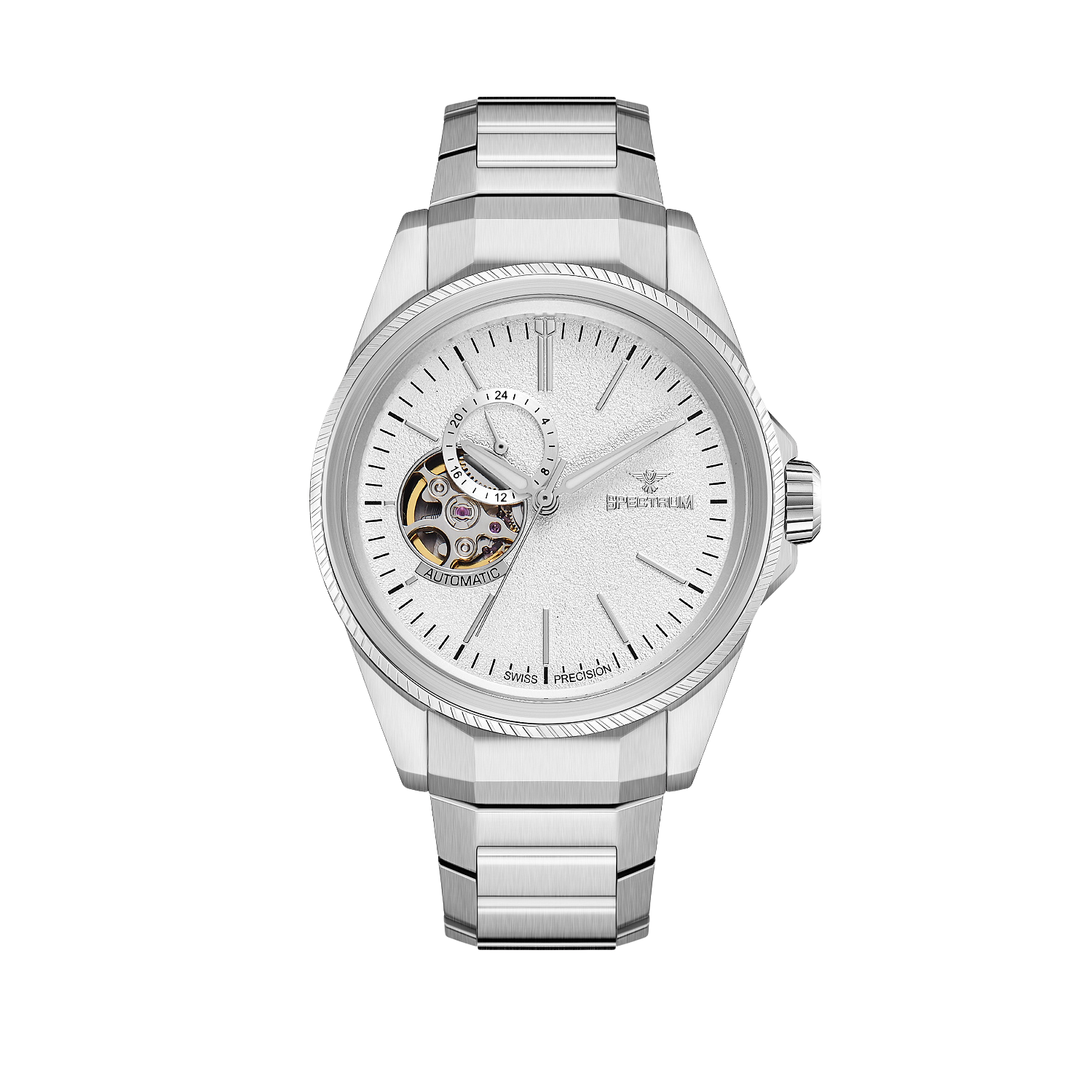
- You want one good watch you can wear for a decade. Buy it. A Spectrum automatic, a Swiss-movement piece in the £500–£1,500 range, properly serviced, will outlast the subscription model itself.
- You want something to hand down. Subscriptions are rental. There is no inheritance from a rented watch.
- You care about the story. The watch you wore on your wedding day, on the climb, on the morning your daughter was born. Owned watches accumulate meaning. Rented ones don''t.
The Spectrum take
We''re going to be transparent about our bias: we make watches you own. Designed in Dubai since 1990, built around six personas — Explorer, Challenger, Inventor, Truth-Seeker, Creative, Multi-Dimensional — and engineered to be the one watch you reach for, not the twelfth one you rotate through.
But the honest answer to "subscription or collecting?" is: it depends on what stage you''re at. If you''re still figuring out what you like, a short subscription is a legitimate research tool. If you know — even roughly — that you want a steel sport watch, or a dressy automatic, or a GMT for travel, skip the rental model. Buy the piece. Wear it. Let it become yours.
The watches that mean something to people are never the ones that arrived in a monthly box and left four weeks later. They''re the ones bought with intention, worn with regularity, and kept long enough to outlast the trend that almost sold them something else.
Quick decision framework
Ask yourself three questions:
1. Do I know what category of watch I want? (Sport, dress, GMT, chrono, field.) If yes → collecting. If no → 3-month subscription, then collecting. 2. Will I wear the same watch most days for the next two years? If yes → collecting, no question. If no → subscription might genuinely fit. 3. Do I want an asset at the end of this, or an experience along the way? Asset → collecting. Experience → subscription.
Most people who think they want a subscription actually want their first good watch and don''t know which one. That''s a solvable problem — and it''s cheaper to solve by buying once, well, than by renting for years.
Who are you today?
About the author
Spectrum Editorial
The Spectrum Watches editorial desk
The Spectrum editorial desk — fact-checked, persona-mapped, and written for people who measure life in moments.
Wear the story