Cartier Ballon Bleu: Discover Its Charm & Perfect Pairings
Find your signature style with Spectrum Watches in Dubai. Explore our creative watch collections designed for those who lead with vision and precision.
Spectrum Editorial · 16 min read · 79 views

By the time the second coffee arrives, the room has already changed.
The glass has taken on that late-afternoon haze common to city cafés. A laptop is half-closed. A tote bag leans against the chair. Someone at the next table is still on their first meeting of the day, while another is already dressed for dinner, blazer over a white T-shirt, ring catching the light every time a hand lifts a cup. It’s one of those ordinary, polished hours when objects start to reveal what they’re doing in a life.
A watch appears like that. Not announced. Not centred. Just there, at the edge of a sleeve, beside a receipt, near a phone turned face down.
The Scene A Watch Appears
In the quieter corners of the city, we keep noticing the same gesture. A wrist resting on marble. Fingers curved around a demitasse. The slight turn of the hand as someone checks the time without urgency, then goes back to the page in front of them.

Some watches enter a room with a hard outline. This one doesn’t. Its presence feels rounded, almost softened by the way it sits against the body. It belongs to the kind of person who leaves home before the heat rises fully off the pavement, or who is still at a desk long after the office has emptied, jacket folded over the back of the chair.
A familiar shape in passing
You see it on a metro platform when everyone is facing forward. You see it at a hotel lobby table near the window, next to a key card and sunglasses. You see it in those recurring scenes that make up a city’s memory. Someone waiting. Someone returning. Someone changing from day shoes to evening shoes in the back seat before a dinner they almost cancelled.
There’s a reason certain wrist watch stories stay with us. They don’t feel separate from daily life. They feel absorbed into it.
> Some objects don’t ask to be noticed. They become noticeable because they keep showing up in the same honest way.
The watch in this scene isn’t trying to interrupt the day. It’s moving with it. A cuff slips back. A blue glint catches for a second. Then the hand reaches for the cup again, and the city carries on.
The Story of a Modern Icon
The cartier ballon bleu entered watchmaking in a way that now feels almost inevitable, though it wasn’t at the time. In 2007, Cartier introduced it at the Salon International de la Haute Horlogerie in Geneva, Switzerland, marking the maison’s first major round-cased collection since its founding in the mid-1800s. That debut mattered because Cartier had long been associated with sharper, more architectural forms such as the Tank and Santos. The Ballon Bleu shifted the conversation towards something more fluid and pebble-like, and according to Michael Groffenberger of RealReal, it has since made up a substantial portion of Cartier’s annual watch sales, a sign of how much the design entered the modern luxury market ( RealReal’s history of the Ballon Bleu).

From angles to curves
What changed wasn’t only the case shape. It was the mood.
Older Cartier icons often carry a certain discipline. They’re elegant, but they hold the wrist with lines that feel deliberate and composed. The Ballon Bleu softened that language. The round case looked almost inflated, as if air had been sealed inside polished metal. The crown didn’t protrude in the usual way either. It sat under an integrated guard, topped by the blue cabochon that became one of the watch’s most recognisable details.
That combination gave the piece an unusual balance. It looked refined, though never stiff. Jewellery-adjacent, but still very much a watch.
The details that made it linger
The collection arrived with a broad range of sizes, from smaller models to much larger pieces, and that range helped it move easily between wardrobes and across moods. The same design language could feel almost delicate on one wrist and more assertive on another.
A few elements stayed constant:
- Roman numerals that gave the dial a familiar Cartier grammar
- Sword-shaped hands that kept the display crisp
- The integrated crown guard that made the silhouette feel uninterrupted
- A polished bracelet and rounded case that let the watch read like a continuous object rather than separate components
It’s that continuity people tend to remember. The watch doesn’t feel assembled so much as shaped.
> A watch becomes a modern classic when its silhouette is recognisable before its logo is.
There’s also a social life to the Ballon Bleu that helped cement its place. It has been worn by figures as different as royals and musicians, which says something about the elasticity of the design. It can sit inside formality without feeling ceremonial. It can appear in casual settings without seeming misplaced.
That kind of range has its own version of timeless elegance. Not timeless in the frozen sense. Timeless in the way certain objects continue to look correct while the rest of the scene keeps changing.
Why the cartier ballon bleu still feels current
A modern icon survives because it leaves room for projection. One person reads softness in the rounded case. Another reads confidence in the protected crown and oversized numerals. Someone else sees an object that doesn’t need to explain itself.
We’ve written before about those designs that settle into daily life rather than chase novelty, and that same feeling runs through our reflections on time mastery. The Ballon Bleu belongs in that conversation because it understands restraint. It arrived as a major new Cartier shape, but it didn’t arrive shouting.
It just kept appearing. In offices, in airports, at dinners, in photographs taken years apart. The same blue crown. The same smooth case. The same sense that time, dressed well, doesn’t need sharp edges to be remembered.
Finding Your Place in the Collection
Once the shape is familiar, the question becomes less about recognition and more about rhythm. Not which model is best in the abstract, but which one fits the pace of a real day.
A cartier ballon bleu can feel different depending on who is wearing it. On one wrist it reads like jewellery first. On another it reads as a daily instrument. The collection allows for both, which is part of its endurance.

Mechanical time and quiet motion
The 33mm steel Ballon Bleu de Cartier, reference CRWSBB0044, uses the in-house Calibre 1853 MC, a self-winding mechanical movement with a 47-hour power reserve ( Cartier product details for CRWSBB0044). That sort of watch suits the person who likes the idea that motion keeps things alive. A commute, a walk between meetings, a late errand before heading home. The watch gathers energy from being worn.
There’s intimacy in that arrangement. Mechanical ownership tends to create a small awareness of time beyond appointments and alarms. You notice whether you’ve worn the watch enough. You notice the ritual of returning to it after a few days away.
Quartz time and steadiness
The quartz side of the collection offers another mood entirely. Quartz Ballon Bleu models are noted for ±15 seconds per month accuracy, with a battery life of 2 to 3 years, which gives them a lower-maintenance character for daily wear, as covered in the same verified product material above.
That’s often the better rhythm for someone whose days move in quick shifts. Morning meeting. Midday gallery stop. Family dinner. Last-minute plan after that. Quartz asks less from the wearer. It stays ready in a drawer, on a tray, beside perfume and keys.
> Practical rule: Movement choice often comes down to what kind of relationship you want with the object. Mechanical asks for presence. Quartz offers steadiness.
A matter of scale
The Ballon Bleu line has been produced across a wide span of sizes. In lived terms, that means the watch can sit lightly under a shirt cuff or hold more presence with a looser sleeve, open neckline, or evening jacket.
A smaller case tends to disappear into an outfit in the best way. It works with stacked bracelets, fine rings, silk, linen, and the sort of clothes that move softly. A larger case changes the scene. It becomes part of the structure of what’s being worn.
We often think of the choice like this:
| Wearer mood | What the watch tends to do | | --- | --- | | Quiet weekday dressing | Sits close to the wrist and reads as part of the outfit | | More formal evening looks | Adds polish without needing extra ornament | | Sharper tailoring | Gives the rounded case contrast against clean lines | | Relaxed weekend clothing | Softens denim, knitwear, and open collars |
The appeal of stainless steel in particular is easy to understand in daily use. It feels grounded. It takes on light cleanly. It sits comfortably inside a wardrobe that moves between office clothes and simpler off-duty pieces. We’ve seen that same ease in our broader archive around stainless steel, where material choice becomes less about status and more about how a watch lives with real wear.
The founder, the creative, the returner
One person wants the self-winding model because the watch becomes part of their pattern. It comes on with the first shirt of the week and stays there through meetings, coffee runs, and flights. Another prefers quartz because they rotate pieces, change bags often, leave one watch untouched for days, then return to it without ceremony.
A third keeps just one. They wear it in the morning with a cotton set, later with a dark blazer, then months later with occasion clothes they only bring out a few times a year. The watch doesn’t need to reinvent itself for any of these scenes.
That’s where the collection becomes personal. Not in the language of collecting for collecting’s sake, but in the smaller question of fit.
Not fit on paper. Fit in life.
The Art of Daily Wear
Some watches are easiest to understand once they’re no longer on a display tray. The cartier ballon bleu is one of them. It makes more sense beside fabric, skin, keys, receipts, table edges, and evening light.

Morning clothes and first meetings
In the morning, it sits well with restraint. Crisp shirt. Soft trousers. Hair pulled back without much thought. A watch like this doesn’t need to be introduced to the outfit. It closes the look. Its reputation for unisex appeal comes from that flexibility. Smaller guilloché-dial versions carry an easy elegance, while larger chronograph expressions lean more assertive. Over time, that range has helped the Ballon Bleu become recognised as a modern classic for both casual and formal dress. It has also appeared on figures such as Kate Middleton, Sofia Vergara, and Selena Gomez, which gives a sense of how widely the design travels across personal style.
Between jewellery and routine
The more interesting styling moments happen later in the day. Someone leaves the office and adds a bracelet. Someone changes into a deeper colour before dinner. Someone else wears the watch with desi clothing, where the rounded case sits naturally among gold tones, embroidered textures, or a sleeve that frames the wrist rather than hiding it.
A watch can join those looks without becoming ornamental in the wrong way. The Ballon Bleu manages that balance because its softness doesn’t weaken it. The blue crown, Roman numerals, and polished case give enough structure.
A familiar story of outfit and atmosphere lives in pieces like two green dials and one wild christmas night, where a watch shifts through changing scenes without losing itself.
> Clothes change mood by mood. A good watch keeps its own character and still belongs.
Evening light
By evening, metals read differently. Steel cools. Gold warms. The same watch seen at 9 in the morning appears more cinematic at 8 at night, especially under restaurant light or on the walk between one place and the next.
The visual language of the model becomes clearer in motion.
Best Of Two: Cartier Dress Watches \| MR PORTER - YouTube
Tap to unmute
Best Of Two: Cartier Dress Watches \| MR PORTER MR PORTER
MR PORTER504K subscribers
The rounded case doesn’t fight with satin, linen, wool, or denim. It tends to soften sharper outfits and refine simpler ones. That’s why it works in repetition. Not because it transforms every look, but because it doesn’t need to.
A few pairings keep returning in city life:
- White cotton and steel for weekday mornings
- A dark dress and bare wrist except for the watch when jewellery feels unnecessary
- Bracelets and colour when the day slips into celebration
- Tailoring and flats when formality needs to stay easy
The watch doesn’t resolve the outfit. It steadies it. In a world full of louder accessories, that can feel almost luxurious on its own.
Ownership and Continuity
Luxury watch writing often lingers on launch stories, red carpet sightings, and polished photographs. It says less about sunscreen on the wrist, sweat in summer, the slow accumulation of marks from desks, bags, door handles, and long days out. The practical ownership experience of the Ballon Bleu remains underexplored, and questions around daily wear in active or humid conditions are often left hanging, as noted in a discussion about sunscreen and sweat resistance on PriceScope ( that ownership thread is here).
Care as part of the story
We tend to think of care less as maintenance and more as attention.
A watch worn often will meet the world. That’s the point. It will sit against moisturiser, sleeves, heat, sudden weather, and long commutes. The better approach isn’t anxiety. It’s consistency.
A calm ownership rhythm usually includes a few things:
1. Wipe it down after long wear A soft cloth after a hot day or an evening out keeps the case and bracelet from carrying residue longer than they need to.
2. Notice the crown and crystal The Ballon Bleu’s protected crown is one of its signatures. It’s also one of the first details worth observing regularly, to make sure everything feels as it should.
3. Treat straps and bracelets differently Steel can absorb daily life in one way. Leather absorbs it in another. The watch may remain the same, but what holds it to the wrist changes the ownership experience.
Authenticity in the quiet details
People often want a dramatic trick for spotting authenticity. In reality, it usually comes down to patient observation.
Look at the harmony of the piece. Does the case feel coherent? Do the dial details belong together? Does the crown integration make sense in the hand, not only in pictures? Watches of this kind reveal a lot through proportion.
> If something feels slightly unresolved in the design, it’s worth pausing before calling it charm.
When service is needed, the decision matters. A watch designed to live for years deserves proper handling, even if that means resisting the urge to cut corners. We hold the same view in our own world around repair services, where keeping an object in use is often the more respectful act.
Living with a watch instead of storing it
There’s a difference between preserving and freezing. The Ballon Bleu was made to be worn, and that means accepting the ordinary life of objects.
That life might include:
- A polished bracelet with small signs of contact
- The habit of removing the watch before certain routines
- Returning it for service instead of replacing it
- Learning its specific feel over time
The strongest ownership stories rarely sound glamorous. They sound repetitive. The same tray by the door. The same wrist in the morning. The same watch taken off at night beside a ring and a cardholder.
That repetition is where attachment forms. Not in the purchase itself, but in the years after.
The Watch in the World
Buying a cartier ballon bleu isn’t only about taste. It’s also about navigating a market that often prefers soft lighting to clear information.
One of the notable gaps around this model is region-specific pricing transparency, especially in markets such as the AE. Open information on duty-free differences, grey-market variation, regional markups, or cross-border warranty experience is often hard to find. For a watch with this level of recognition, the buying path can still feel surprisingly opaque.
Two different doors in
An authorised boutique offers one kind of entry. The atmosphere is controlled. The object is framed within the brand’s own narrative. There’s reassurance in that setting, especially for a first purchase.
The pre-owned route offers another. It can feel more personal, sometimes more textured. The watch arrives with signs of a prior life, even when carefully presented. That isn’t always a drawback. For some buyers, it’s part of the appeal.
A simple comparison helps:
| Buying path | What tends to define the experience | | --- | --- | | Authorised retail | Formality, consistency, direct brand context | | Pre-owned market | More variation, more observation required, often a stronger sense of the watch as an object with history |
Value without neat answers
Because transparent regional data is limited, conversations about value often become too vague or too absolute. Neither helps much.
A watch like this asks for slower reasoning. You consider where you’ll buy. You consider how much certainty matters to you. You consider whether you want the first chapter of the object’s story or whether you don’t mind entering midway through.
> The right buying decision is often less about getting the best deal and more about knowing which uncertainties you’re willing to live with.
There’s also the emotional reality of it. A boutique purchase can feel ceremonial. A pre-owned purchase can feel like discovery. Both are valid. Both ask the buyer to pay attention, not only to the watch but to the conditions around it.
In that sense, the market mirrors the watch itself. Smooth on the surface. More complex when you look closely.
An Alternative Rhythm
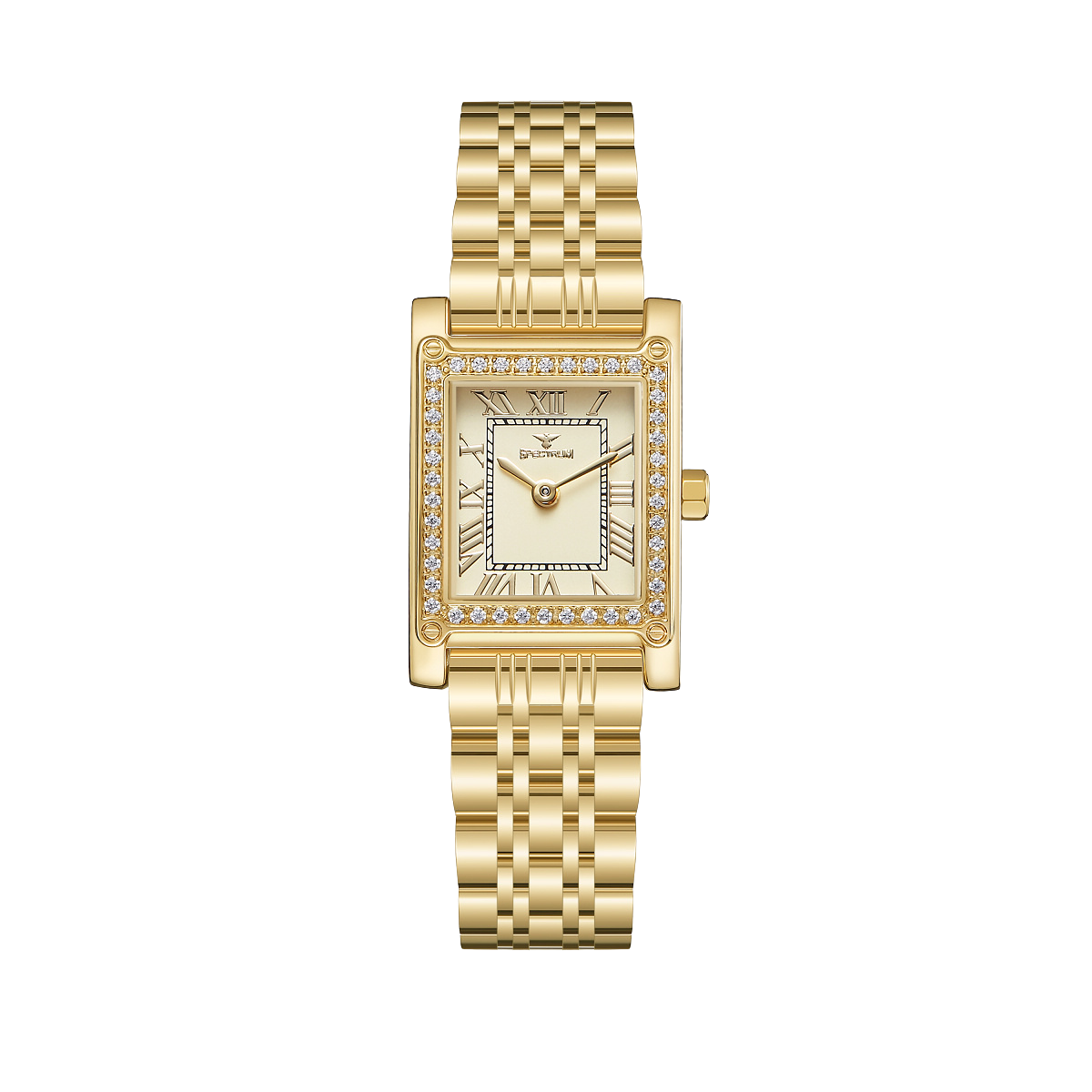
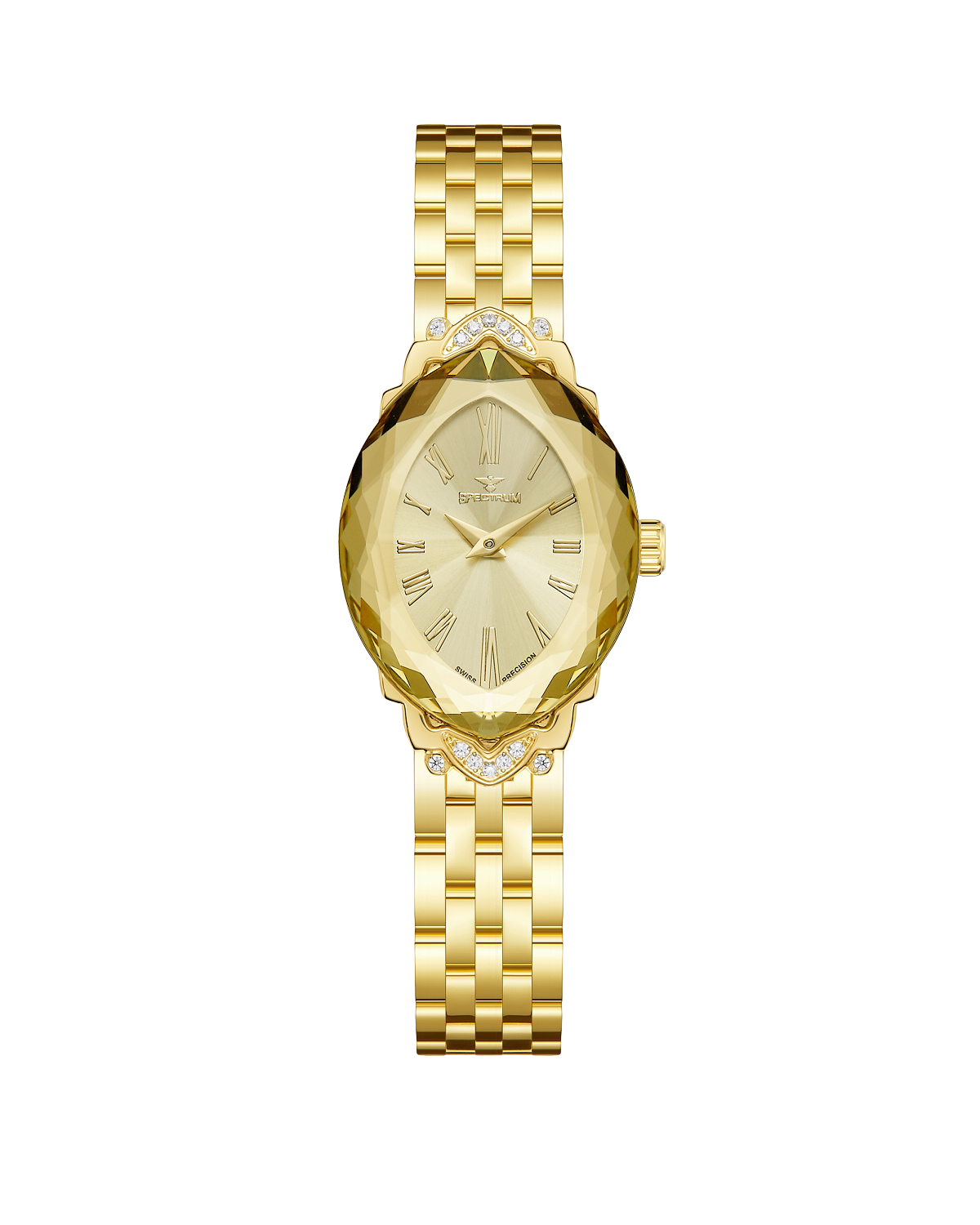
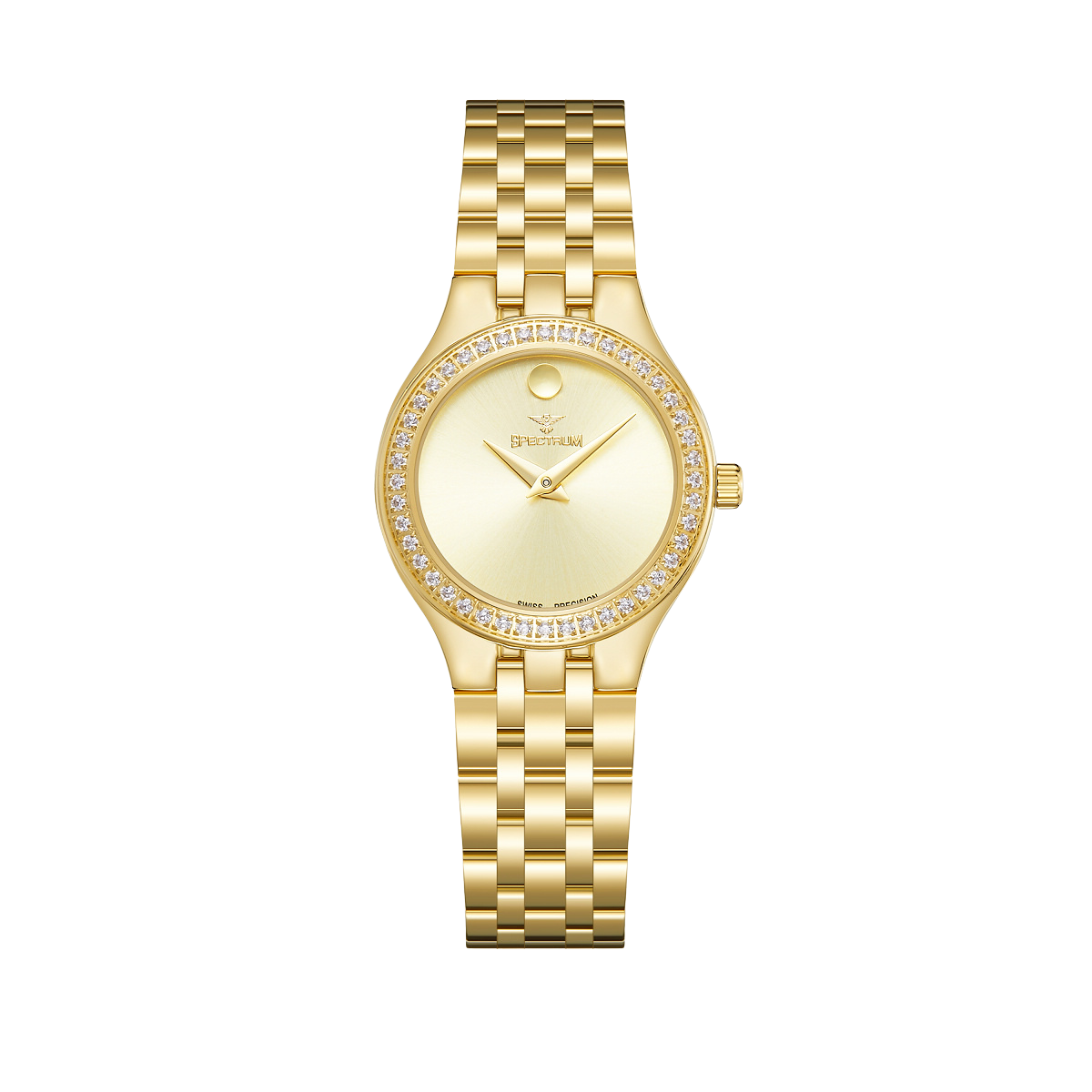
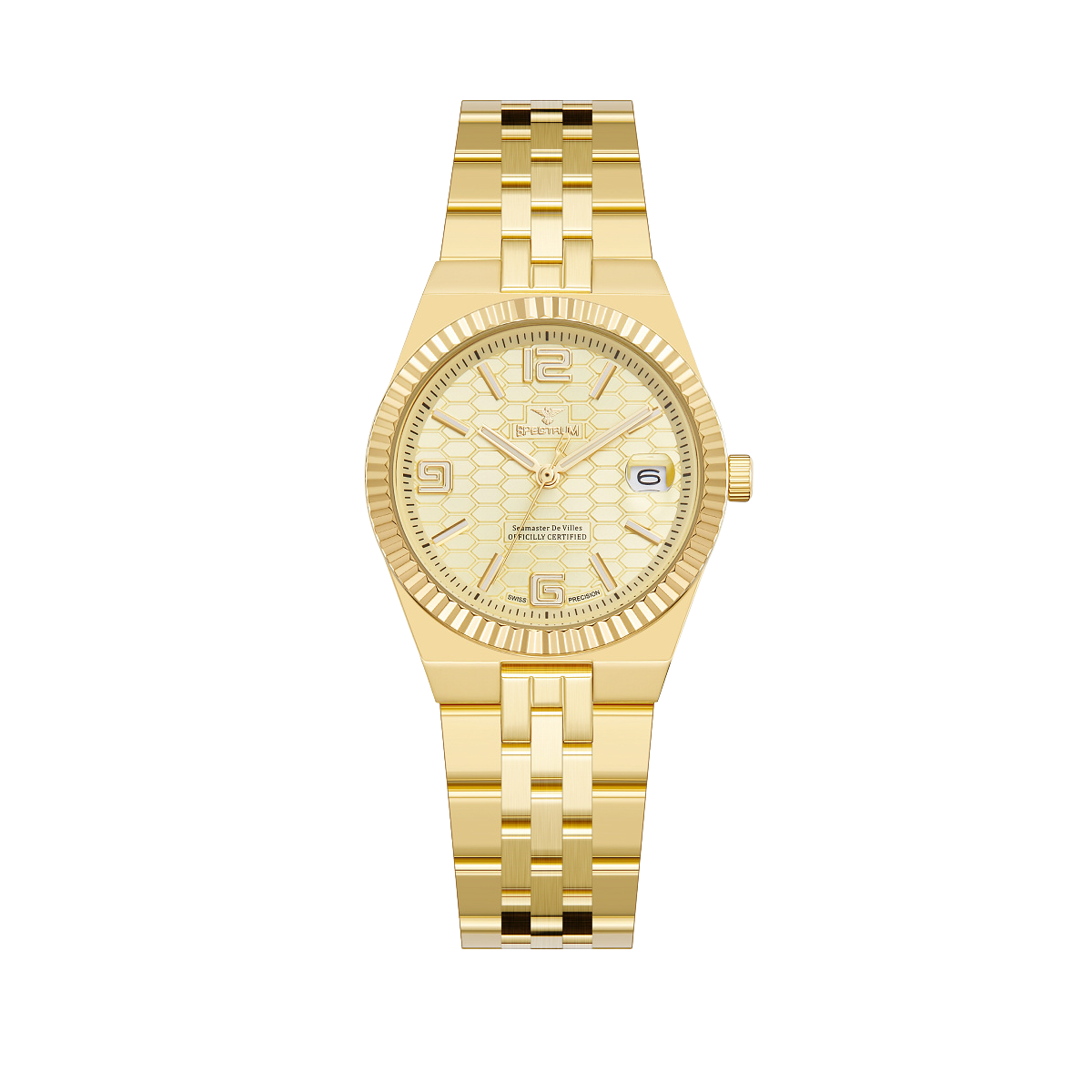
Not everyone wants one iconic watch to hold every version of the week. Some people prefer a smaller, quieter rotation. A piece for office mornings. Another for weekend errands. One that works with tailoring. One that softens a looser shirt or a late dinner look.
That rhythm says something useful about modern watch wearing. Style doesn’t always build itself around singular permanence. Sometimes it builds itself around repetition with variation.
A daily watch can still matter without needing to stand above every other object in the drawer. It can be dependable, well-made, and tied to memory without carrying the pressure of becoming an heirloom immediately. There’s freedom in that.
We’ve always had a soft spot for watches that enter life this way. Not as trophies. Not as final answers. Just as steady companions to recurring scenes. The same commute. The same café. The same desk lamp switched on after dark.
Rotation, when done with care, isn’t excess. It can be a form of restraint. It lets each object breathe. It lowers the urge to force one watch into every role, every outfit, every version of the self.
There’s an honesty in that approach. Some days ask for polish. Some ask for ease. Some ask very little at all.
The cartier ballon bleu belongs to one rhythm of watch ownership. A smaller everyday rotation belongs to another. Both make sense when they come from attention rather than noise.
The Day Continues
Later, the same café is nearly empty.
Someone who was there in the afternoon has returned for one last hour. The cup is different now. Outside, the street has thinned into headlights and reflections. A sleeve shifts back while a message is read, then the hand lowers to the table again.
Nothing dramatic has happened. That’s why the scene feels true.
The watch is still there, holding its place among small familiar things. Keys. Phone. Notebook. Receipt folded once. The city hasn’t concluded anything. It rarely does. It just changes light, changes clothes, changes pace.
Tomorrow the same wrist may appear somewhere else. In a car at a signal. In a lift mirror. At a breakfast counter before the first call.
Time keeps moving. Certain objects learn how to move with it.
If this quieter rhythm of watch wearing feels familiar, Spectrum lives in that same world. We make everyday watches for rotation, for repair, for years that don’t need announcing. Pieces that sit easily with morning shirts, late dinners, work bags, and repeated routes through the city.
About the author
Spectrum Editorial
The Spectrum Watches editorial desk
The Spectrum editorial desk — fact-checked, persona-mapped, and written for people who measure life in moments.
Wear the story