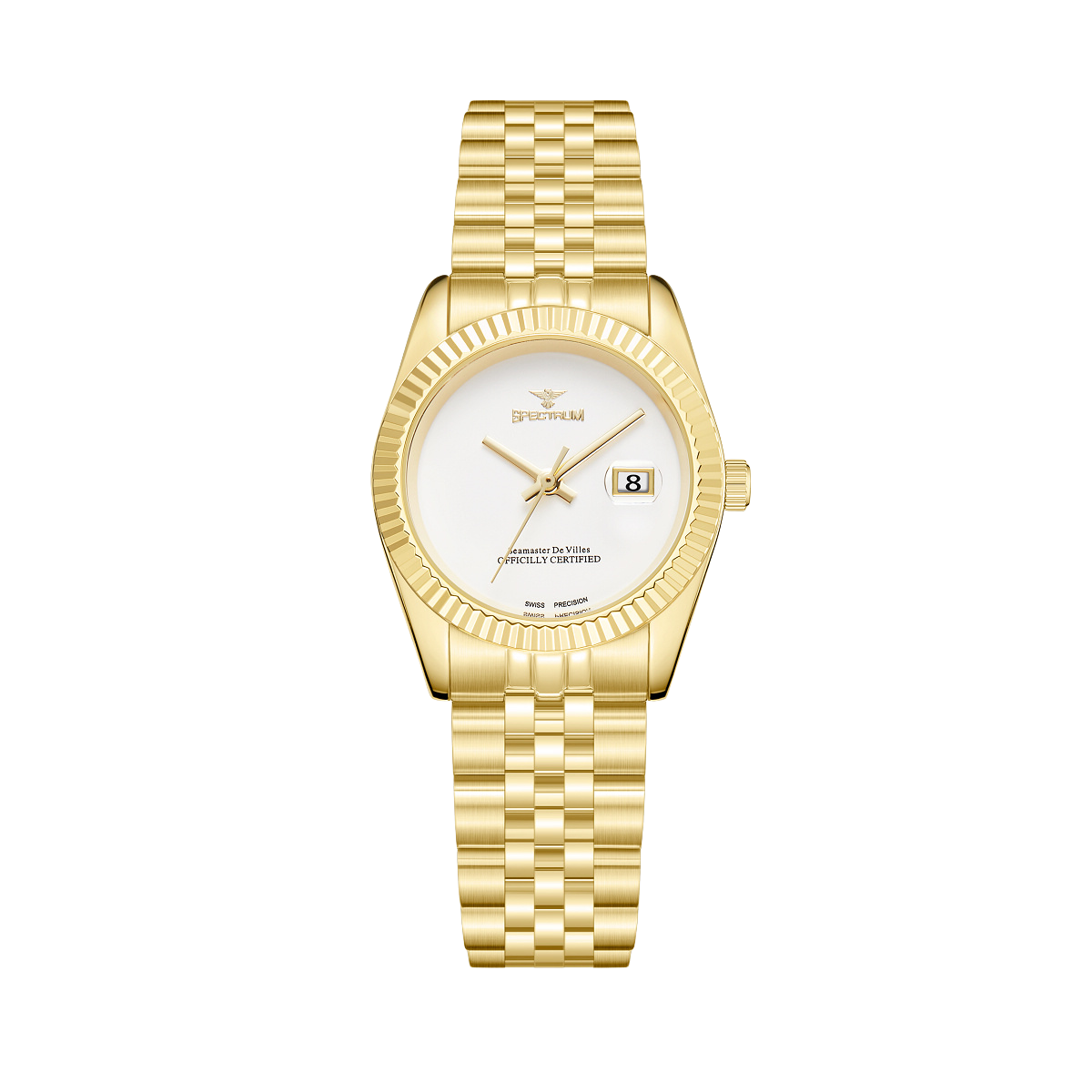
A Chopard Ladies Watch and the Rhythm of Time
The first coffee of the day rarely arrives in a dramatic way. It lands softly on the table, leaves a pale ring on the saucer, and sends up a brief curl of steam before the room settles around it ag…
Spectrum Editorial · 17 min read · 55 views

The first coffee of the day rarely arrives in a dramatic way. It lands softly on the table, leaves a pale ring on the saucer, and sends up a brief curl of steam before the room settles around it again. Outside, the street is already moving. A delivery bike slips past the kerb. Someone adjusts a blazer at the crossing. Someone else stands still for a second longer than necessary, as if the morning hasn’t fully decided what it wants from her yet.
In cities like ours, time doesn’t announce itself. It gathers. In mirrors by the door, in the weight of a bag returned to the same shoulder, in the watch fastened almost absent-mindedly before leaving home. Some objects enter the day loudly. Others remain, and that quiet staying power is usually what we remember.
A chopard ladies watch belongs to that second category. Not because it asks for attention, but because it seems to understand repetition. Morning light. Lift mirrors. Late dinners. The same hand reaching for keys, then a notebook, then a glass, then the taxi door. Luxury, when it lasts, tends to live there.
The Quiet Morning
The café opens before the street quite knows itself. Chairs scrape lightly against the floor. A spoon taps ceramic. The windows hold the last of the early grey before the sun turns the buildings a flatter white.
At the corner table, someone folds a receipt into quarters and leaves it beside her cup. Her sleeve slips back for a moment when she reaches for the sugar, then settles again. Nothing in the scene tries too hard. That’s why it feels complete.

We’ve always liked the hours that begin this way. Not empty, just unclaimed. The city is there, but at a lower volume. You notice smaller things. The crease in a cuff. The faint mark of perfume left on a scarf. The watch that catches light only when the wrist turns.
The hour before messages
Some mornings carry a mild resistance. The inbox can wait. The train can wait a minute. Even the face in the mirror looks less like a project and more like a continuation of yesterday.
That’s where personal style becomes more honest. Not in the event, but in the ordinary return.
- A familiar jacket comes back because it sits well in any light.
- A leather bag keeps its shape even when the day doesn’t.
- A watch stays on because it belongs to the rhythm, not the occasion.
There’s a reason stories about objects often begin in places like this. A small table. A window. A hand resting for a second. We recognise ourselves more easily in repetition than spectacle. That’s part of why pieces such as Rome’s timeless whisper stay with us. They understand that a life isn’t made of highlights. It’s made of returns.
> Some watches appear first as jewellery. Others appear first as habit.
By the time the coffee cools, the room has changed. Meetings have begun elsewhere. Cars gather at the light outside. The same hand reaches for the cup again, and time, as usual, moves without any need to be noticed.
The Idea of an Icon
An icon rarely starts as an icon. It starts as a useful answer to a very specific need, then stays long enough to gather meaning around itself.
For Chopard, the story of women’s watches carries that kind of slow permanence. The house’s foundation goes back to 1860, and one of its most telling moments arrived in 1912, when Karl Scheufele I patented a clip device that transformed pocket watches into wristwatches or necklaces for women, an early turning point in ladies’ timepieces, as Chopard recounts in its history archive. The gesture feels telling even now. A watch wasn’t only kept in the pocket. It moved closer to the body, into daily wear, into style.
A small shift that changed the silhouette
The detail matters because it says something larger. A practical mechanism altered how time could be carried. It also altered what a watch could mean in a woman’s wardrobe.
Later, that same history settled into other forms. Chopard became known for ultra-thin, accurate designs and had already become a provider to elite clients including Tsar Nicholas II by 1885, according to that same company history. Those facts can sound grand if left alone on the page, but in real life they point to something quieter. Precision and elegance weren’t separate ambitions. They were the same one.
The object that survives mood
Most wardrobes contain a few pieces that outlast the season in which they were bought. They continue because they don’t depend on a single mood.
A chopard ladies watch often enters that category in the imagination before it ever enters a collection. It carries a reputation for being both decorative and exacting. That duality is part of its cultural hold.
Consider how certain objects move through decades:
| Object | What changes | What stays | | --- | --- | --- | | A fitted coat | The cut, the shoulder, the length | The need for structure | | A leather loafer | The sole, the finish, the colour | The ease of wearing it often | | A ladies watch | The case, bracelet, stones, dial | The wish to keep time close |
That’s where icons differ from trends. Trends ask to be noticed immediately. Icons allow recognition to build slowly.
> A lasting design doesn’t chase the room. It waits for the room to come back to it.
There’s a useful way to think about heritage, and it isn’t as a list of anniversaries. Heritage is what happens when a design language survives changing streets, changing clothes, changing ideas of femininity, and still feels legible. Chopard’s early ladies’ pieces did that by blurring the line between ornament and instrument. The watch could be worn as a wristwatch. It could become a necklace. It could sit in the space between utility and adornment without apologising for either.
Why old watch stories still feel modern
Some modern objects feel dated almost immediately because they’re built around novelty. They need the surprise of first sight. When that fades, there isn’t much left.
Older watch stories tend to age better when they began with a real human habit. How does a woman want to wear time through a day that shifts from formal to social to solitary. How close should the object sit to jewellery. How much beauty can a precise thing hold.
We think that’s why reading about craftsmanship still feels absorbing when it’s done well. A good watch story isn’t only about watchmaking. It’s about what people wanted from their days. The pull of time mastery comes from that same instinct. Timepieces endure when they understand the life around them.
And so the icon remains. Not frozen, not museum-still. It keeps moving through sleeves, cuffs, clutches, dinner tables, airport gates, and morning cafés. Its meaning gathers in use.
Signature Collections as Daily Companions
By midday, the city becomes less forgiving. Glass brightens. Pavements hold heat. Phone screens look harsher outdoors, and people begin walking with purpose even when they aren’t in a hurry.
Here, collections stop being catalogue names and begin behaving like personalities. One appears lively, a little playful in motion. Another stays composed, all light held close to the case. Chopard has built much of its women’s watch identity around that contrast.
Happy Sport in motion
The Happy Sport is frequently the first one people recognise. It’s difficult not to. The floating diamonds changed the emotional register of the watch. They made the dial feel animated, almost conversational, as if the piece responds to movement rather than merely enduring it.
In the modern mechanical version, the watch carries the Chopard 09.01-C self-winding movement with 149 parts, 27 jewels, a frequency of 3.5 Hz (25,200 vibrations per hour), a 42-hour power reserve, and a slim 3.65 mm thickness, all outlined on Chopard’s model page for the Happy Sport 30 mm. On paper, those details describe engineering. On the wrist, they describe proportion. A compact case can still feel serious.

There’s a version of this watch we keep seeing in the mind’s eye. A woman steps out of a car and tucks hair behind one ear before crossing the road. The diamonds shift slightly as her hand rises. Not loud. Just alive.
> Practical note: Technical refinement matters most when it disappears into wear. The thinner the movement, the less the watch has to fight the wrist.
That quality explains why the Happy Sport became more than a novelty. It isn’t only decorative playfulness. It’s movement made visible. Time and gesture sharing the same small stage.
L’Heure du Diamant after dark
If Happy Sport belongs to daylight and momentum, L’Heure du Diamant feels more at home in the slower theatre of evening. A dinner table catches it differently. So does a hotel lobby, or the dim pause before a lift door closes.
Its role in the Chopard world is less casual, more jewel-like. The emphasis falls on light held in place rather than diamonds moving freely. It’s the kind of watch glimpsed across a table rather than studied up close, then remembered later for the way it altered the whole wrist.
That difference is worth noticing.
- Happy Sport feels like motion within structure.
- L’Heure du Diamant feels like stillness given brightness.
- Both live in the overlap between watchmaking and jewellery, but they occupy different hours.
A collection says a great deal about what kind of presence a watch is meant to have. Some are built to accompany workdays that spill into dinner. Others seem to wait for evening from the start.
The watch seen through routine
Many individuals do not experience collections as a brand intends them. They experience them in fragments.
A watch appears in the queue for coffee. It appears while someone signs a receipt. It appears beside a phone face-down on the table. That’s how it enters memory.
A chopard ladies watch tends to stay memorable because it behaves well in fragments. The design remains legible in passing. You don’t need a full close-up to understand its tone.
There’s also the matter of range. Chopard’s wider women’s story includes pieces that are sportier, more jewel-led, or more overtly formal, but the emotional pull usually comes back to the same point. The watch is not separate from the wearer’s daily composition. It sits among fabrics, rings, bags, and habits. It appears, disappears, then appears again in another kind of light.
That’s why it makes sense to think of collections less as categories and more as companions. One is easy at lunch. Another is better after dark. One accepts a white shirt and denim without complaint. Another asks for silk, or at least lamplight.
For readers who enjoy seeing how different watches drift through everyday scenes, the broader watch stories archive has that same appeal. Pieces become interesting when they stay close to life.
Materials That Tell a Story
The first thing some people notice is the dial. The second is usually the surface temperature of the case. Steel greets the skin differently from gold. Leather keeps a different kind of memory than metal. Materials don’t just change appearance. They change the pace at which a watch enters the day.

A steel watch tends to feel awake from the start. It suits commuter mornings, long desks, open notebooks, the practical confidence of a weekday outfit chosen quickly. Gold arrives with more warmth. Not louder, only softer around the edges. It often looks most convincing when the rest of the outfit doesn’t compete.
Steel in daylight
For women dressing across a city day, stainless steel often carries the easiest kind of continuity. It doesn’t ask for much adjustment. It works with tailoring, cotton, knitwear, and the in-between clothes that make up most actual weeks.
That’s part of why conversations around pairing watches with regional wardrobes have become more interesting. Verified trend notes point to a significant rise in searches for “traditional outfit watches UAE” in 2025, while many Gulf buyers prioritise water resistance, a combination that makes everyday wearability with occasion dressing a more visible concern, as reflected in the Happy Sport context provided by Chopard’s women’s collection pages. The question isn’t only what looks elegant. It’s what stays convincing in heat, humidity, and a long day that may include both workwear and evening clothes.
Gold, pearl, and the slower hour
Then there are the more intimate materials. Mother-of-pearl changes with angle. It never fully settles. Gold tends to absorb ambient colour from the room and return it gently. A leather strap introduces another layer altogether, less polished in feeling, more personal.
These things matter most at dressing tables and wardrobes. A watch doesn’t appear there as a product. It appears as part of a decision.
- With a crisp shirt and straight trousers, steel keeps the look grounded.
- With a saree or embroidered set, a warmer case can echo threadwork and jewellery more naturally.
- With softer earth tones, the watch often works best when the strap or dial doesn’t interrupt the palette.
Anyone who spends time balancing gemstones with clothes will recognise the same logic in other accessories. A thoughtful guide to emerald jewelry can be useful for that reason. It shows how colour, metal, and occasion often speak more subtly than trend language suggests.
A moving image says some of this better than text can.
Sustainability & Transparency in Luxury: example of Chopard - YouTube
Tap to unmute
Sustainability & Transparency in Luxury: example of Chopard WATCHES TV
WATCHES TV165K subscribers
What materials remember
Leather creases. Steel collects faint marks. Polished surfaces change under use, and that change is part of the intimacy. We don’t always want our objects untouched. Sometimes we want them lived with.
> A watch becomes more convincing when it begins to reflect the habits around it.
That is especially true when style moves across settings. In our part of the world, the same week may hold an office morning, a family gathering, a quiet dinner, and a traditional celebration. Clothes shift. The wrist usually stays more constant.
A green dial beside festive fabric can feel surprisingly calm. Brown leather against a cream sleeve can look older than it is in the best way. We’ve written before about nights when colour choices become part of the whole mood, especially in pieces like two green dials and one wild Christmas night. The object matters, but so does the light around it.
Materials tell that story without speaking. They hold weather, touch, and the repeated decisions of a person getting dressed again.
Choosing and Living With a Watch
The choice rarely happens in a single perfect moment. It forms gradually, then settles. A woman notices that she prefers a smaller case when sleeves are narrow. She realises she likes the continuity of an automatic movement, or the straightforwardness of quartz. She decides that a pre-owned piece feels richer because it has already lived somewhere else.
This constitutes a more interesting version of choosing a watch. Not comparison for its own sake, but rhythm.
Size and the shape of a day
A watch case doesn’t live alone. It lives under cuffs, beside bracelets, against laptop edges, on restaurant tables. Scale changes all of that.
Some wrists prefer presence. Others prefer discretion. Neither instinct is more refined than the other. It’s just a question of how visible time should feel.
A small table helps make that easier to see:
| Preference | What it often feels like in daily wear | | --- | --- | | Smaller case | Tucked in, easy, almost private | | More visible case | Intentional, outfit-led, a little more declarative | | Slim profile | Natural with tailoring and layering | | More jewellery presence | Better when the watch is part of the adornment |
Movement, mood, and maintenance
People often pretend this is purely technical. It isn’t. The movement changes the relationship.
An automatic watch has a lived-in intimacy to it. It asks to be worn, or at least remembered. A quartz watch tends to disappear more completely into routine. That can be part of its charm.
With Happy Sport, Chopard’s floating diamond concept adds another dimension to living with the watch. Certain stainless steel models use a proprietary suspension system where the diamonds sit in cushioned slots with 0.5 to 1 mm of play, giving them twice the shock resistance of fixed-set rivals and helping achieve 30m water resistance, according to the details listed for the model at Itshot’s product page. In real terms, that means the romance of motion doesn’t entirely come at the expense of durability.
> Worth keeping in mind: The best watch to live with is often the one whose demands match your habits.
Styling and ownership converge here. The same person who prefers a certain neckline usually prefers a certain watch behaviour too. There’s a coherence to those choices. Not rules. Just patterns.
For readers interested in how accessories alter a whole look without overwhelming it, this piece on how to accessorize an outfit like a pro is a useful companion. It approaches the wrist the same way a good dresser does, as one note in a larger composition.
New story or existing history
Buying new and buying pre-owned feel different because the narrative feels different. New means beginning with an untouched object. Pre-owned means accepting that the object already belongs to time.
Neither route is more romantic. They carry different textures. Some people want the clean start. Others like the idea that the watch may have attended dinners, flights, and difficult meetings before arriving at theirs.
And then there is care. Watches ask for that eventually. Not constantly, just transparently. If an object is meant to stay, someone has to keep it going. Services like watch repair matter because they recognise a watch as an ongoing possession rather than a disposable mood.
The choice, in the end, is less about getting it right forever. It’s about finding a piece whose pace agrees with yours for now. Then seeing if it keeps agreeing as the days change.
Our Own Quiet Story
There’s another side to this conversation, and it lives closer to the ground.
In the AE region, there’s a visible affordability gap around women’s watches. Verified market notes indicate that luxury watch searches have seen a substantial rise year on year, while Chopard ladies’ watches often begin at roughly AED 25,000, leaving open space for women looking for stainless steel alternatives at lower price points, as reflected in Chrono24’s ladies’ Chopard pricing context. That gap isn’t only about budget. It’s about how people build a wardrobe.
The watch that can stay
Most women don’t live in a single aesthetic lane. One week asks for tailoring. Another asks for denim and flats. Then a family dinner arrives, or a wedding, or a work event that runs late. The watch has to move through all of it without turning every outfit into an occasion.
That’s where our own view has always been quieter and more practical. We notice how often people want a watch they can keep in rotation, not on a pedestal. Something durable enough for ordinary days, good-looking enough for better ones, and calm enough to survive both.
Rotation over reverence
Luxury has its place. So does aspiration. But there’s also dignity in the watch that gets worn often.
We think a few ideas matter more than status language lets on:
- Rotation matters. The pieces that stay in use tend to become the meaningful ones.
- Repair matters. Keeping an object going says more than replacing it quickly.
- Access matters. Good design should live with real lives, not hover above them.
This doesn’t diminish houses like Chopard. If anything, it clarifies what people admire in them. The lasting appeal is never only the price tier. It’s the feeling of continuity, the fusion of beauty and utility, the sense that a watch can hold memory as well as time.
That same instinct exists at different scales. Some women will choose high luxury for a milestone. Others will look for a thoughtful, durable stainless steel watch that suits the office, dinner, travel, and traditional dress without strain. Both choices come from the same desire. To wear something that stays with the life already being lived.
The City Lights Up Again
By evening, the same café has changed its expression. Morning brightness has gone. The windows reflect more than they reveal. Cups are set down more slowly now, and conversations hold those small pauses that only appear after a full day.
A hand rests on the table beside a glass. The wrist turns when she reaches for her phone, then settles again. The watch catches a lower light than it did in the morning, warmer now, less exposed.

Nothing has really concluded. The day has only folded into another register of itself. Bags are collected. Chairs move back. Outside, taxis pull up in brief lines of red light and white paint.
This is probably why watches remain so compelling. Not because they stop time, or improve it, or make a life look more finished than it is. They accompany. Morning coffee. Midday glare. The walk back out into the lit street.
Tomorrow, the same wrist will return to the same clasp. The city will begin again in another tone. The object will still be there, quiet as ever.
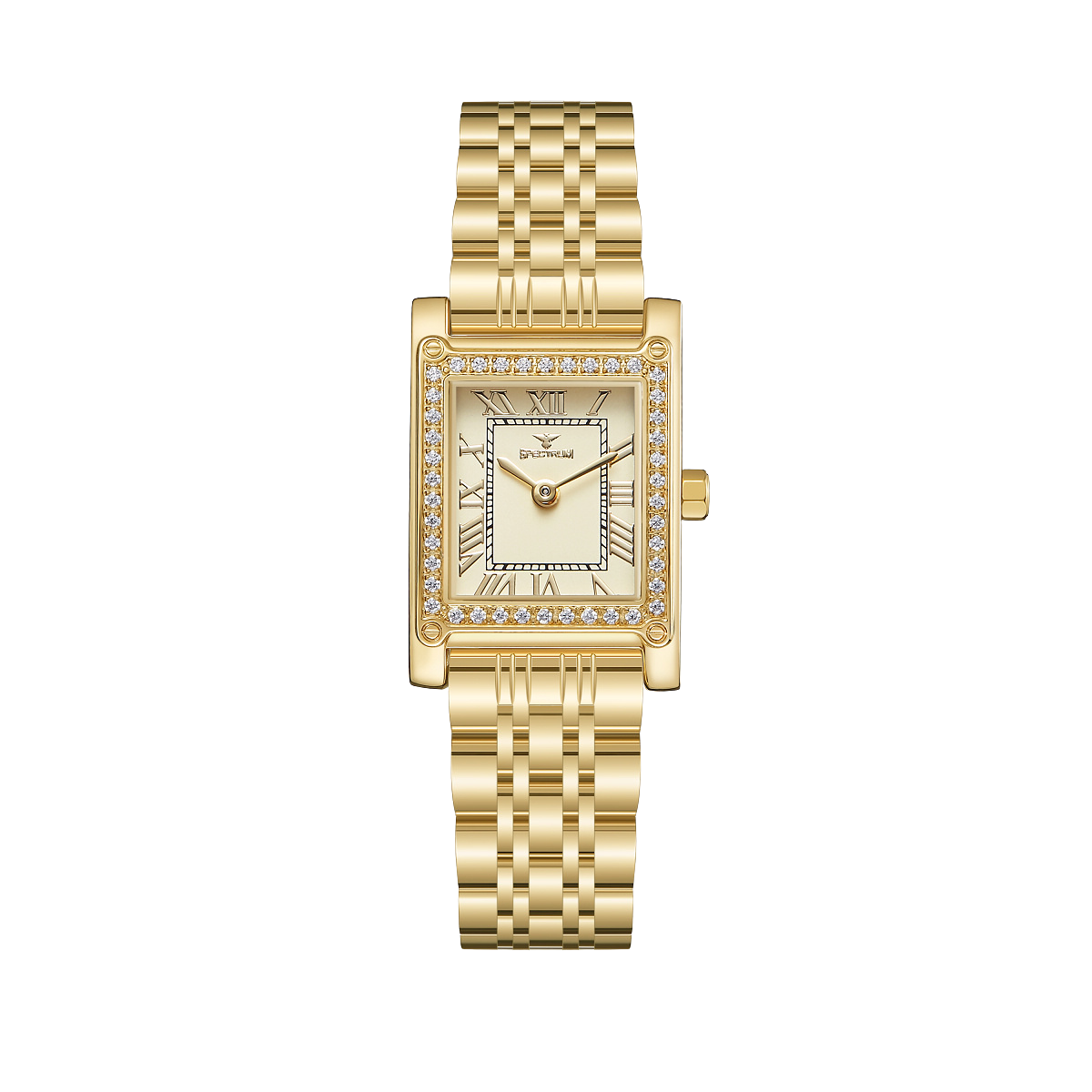
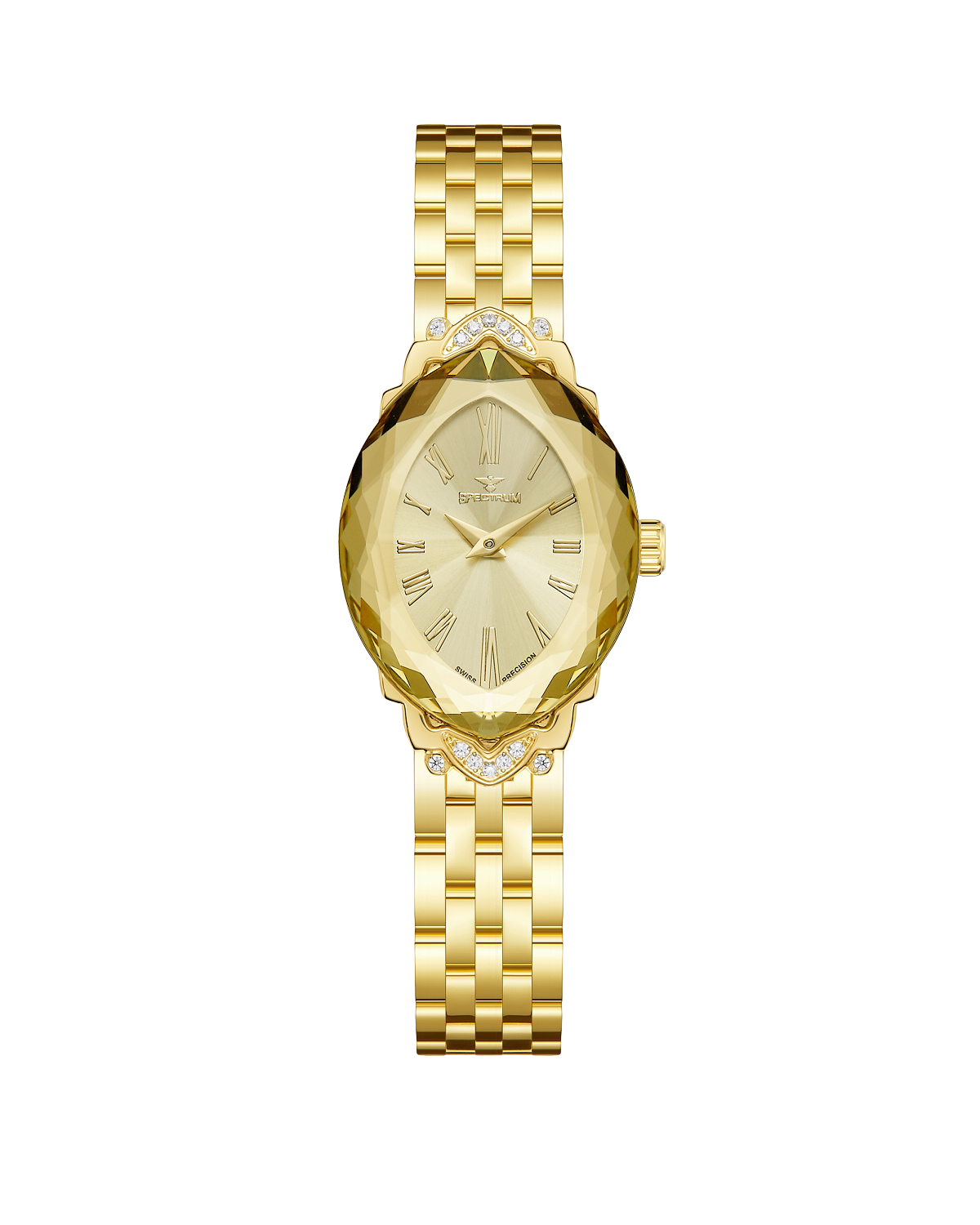
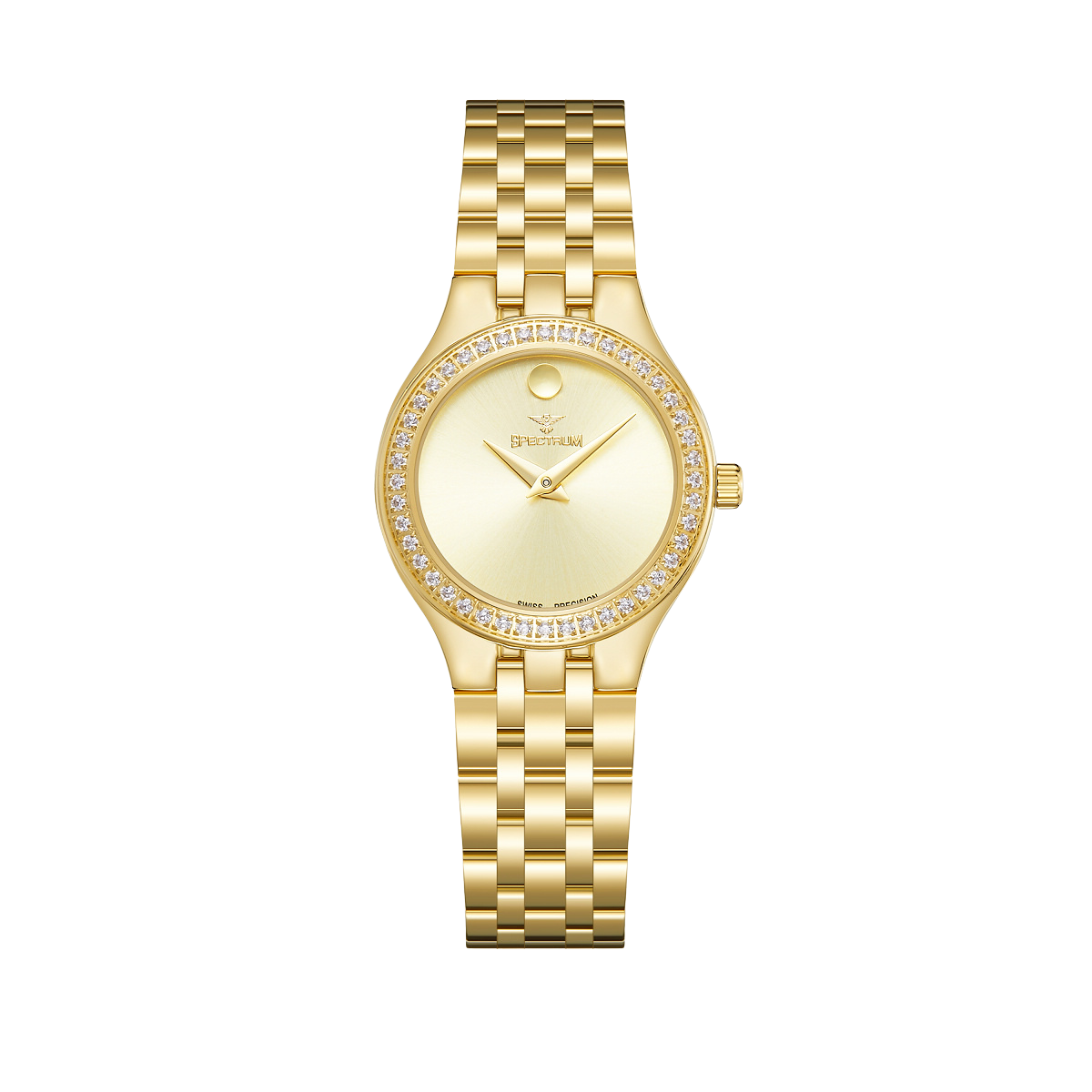
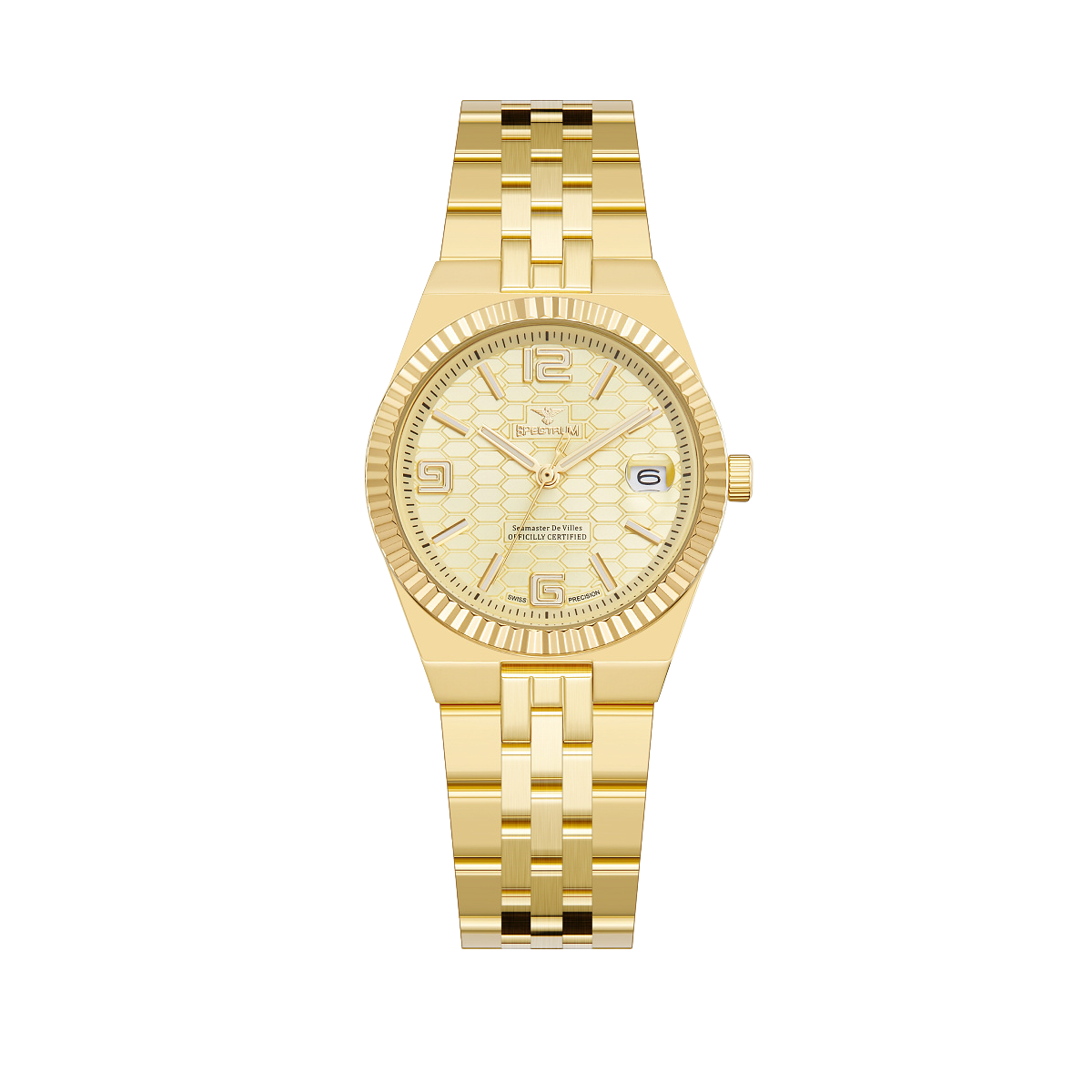
Spectrum makes watches for exactly that kind of ongoing life. Pieces for daily rotation, for changing outfits and repeated streets, for evenings that arrive without ceremony and mornings that don’t need reinvention. If that rhythm sounds familiar, you can spend time with Spectrum in the same calm way you’d revisit a favourite café. Not to finish the story, only to continue it.
About the author
Spectrum Editorial
The Spectrum Watches editorial desk
The Spectrum editorial desk — fact-checked, persona-mapped, and written for people who measure life in moments.
Wear the story