
Pacing the Lift: Finding Strength in the Seconds
Real strength isn't just about the weight on the bar. It's found in the disciplined seconds between reps and the measured rest between sets.
Spectrum Editorial · 7 min read · 36 views
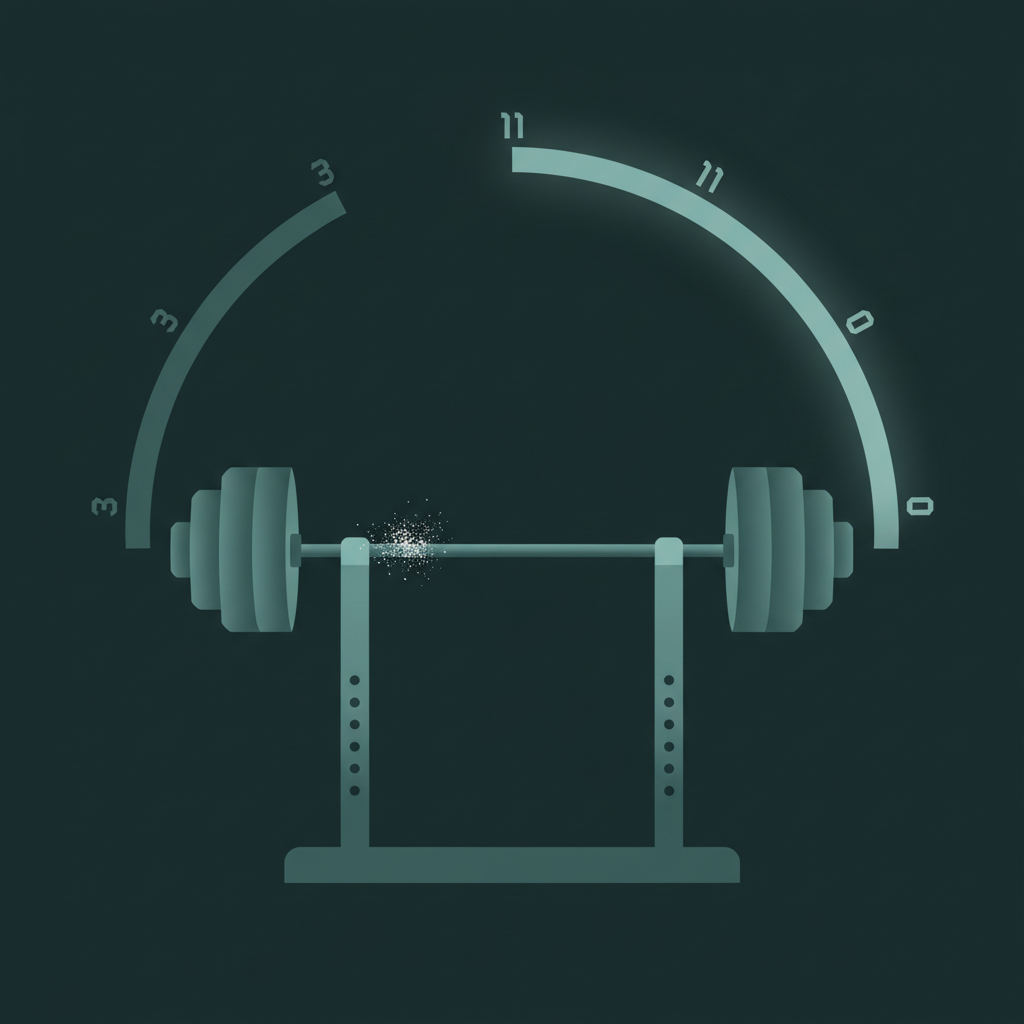
The gym is loud. Not just with the clang of iron, but with the noise of ambition, competition, and the endless scroll of aspirational physiques. But true, lasting strength is built somewhere else. It’s forged in the quiet moments of focus. It’s in the deliberate execution of a plan, the internal dialogue between your ambition and your body's honest feedback. This is work for a Truth-Seeker.
This is the work of lifting, not just for show, but for substance. It’s a discipline that demands you listen more than you speak, that you trust the process over the immediate gratification of a heavier one-rep max. It’s a long game, played out in reps, sets, and meticulously recorded cycles. Progress isn’t always linear and it certainly isn't loud. It's the steady, compounding interest of showing up and doing the unglamorous work.
The Grammar of Progression
Anyone can walk into a gym and lift heavy things. The challenge is lifting smart. A training program is the blueprint for your ambition, the grammar that turns random effort into a coherent story of strength. It’s your commitment to a path, even on days when the weight feels heavier than it should. Trusting the numbers on the page over the ego in your head is the first real test.
Whether you’re running a linear progression, a daily undulating periodization model, or a block system, the principle is the same: apply a specific, measurable stress, allow for recovery, and adapt. Repeat. It's a simple formula that demands immense patience. The real work is tracking your lifts, noting how they felt, and making intelligent adjustments. This deliberate practice separates wishing from becoming.
This data isn't for anyone else. It’s a private conversation with yourself about capacity, recovery, and resilience. It forces an honest assessment of where you are today, not where you wish you were. The logbook, in whatever form it takes, is a sacred text. It holds the map of where you've been and the only reliable coordinates for where you're going next. It demands you trade the chaos of “instinct” for the clarity of a plan.
Time, Tension, and Tempo
Beyond the weight on the bar, the most critical variable is time. Specifically, time under tension. The speed of your repetitions—the tempo—dictates the stimulus you create. A squat is not just a squat. A squat with a four-second eccentric (lowering) phase is a completely different beast than one performed with uncontrolled speed. This is where you manipulate the physics of the lift to build muscle, strengthen tendons, and improve control.
A simple, clear timepiece is indispensable for this work. When you're in the middle of a hard set, you don’t need complex digital menus. You need an immediate, intuitive sense of the seconds. The sweep of a hand across a dial gives you that at a glance. Pacing your rest periods is just as critical. Ninety seconds is not an estimate. It’s a precise window for recovery that ensures the quality of your next set. With 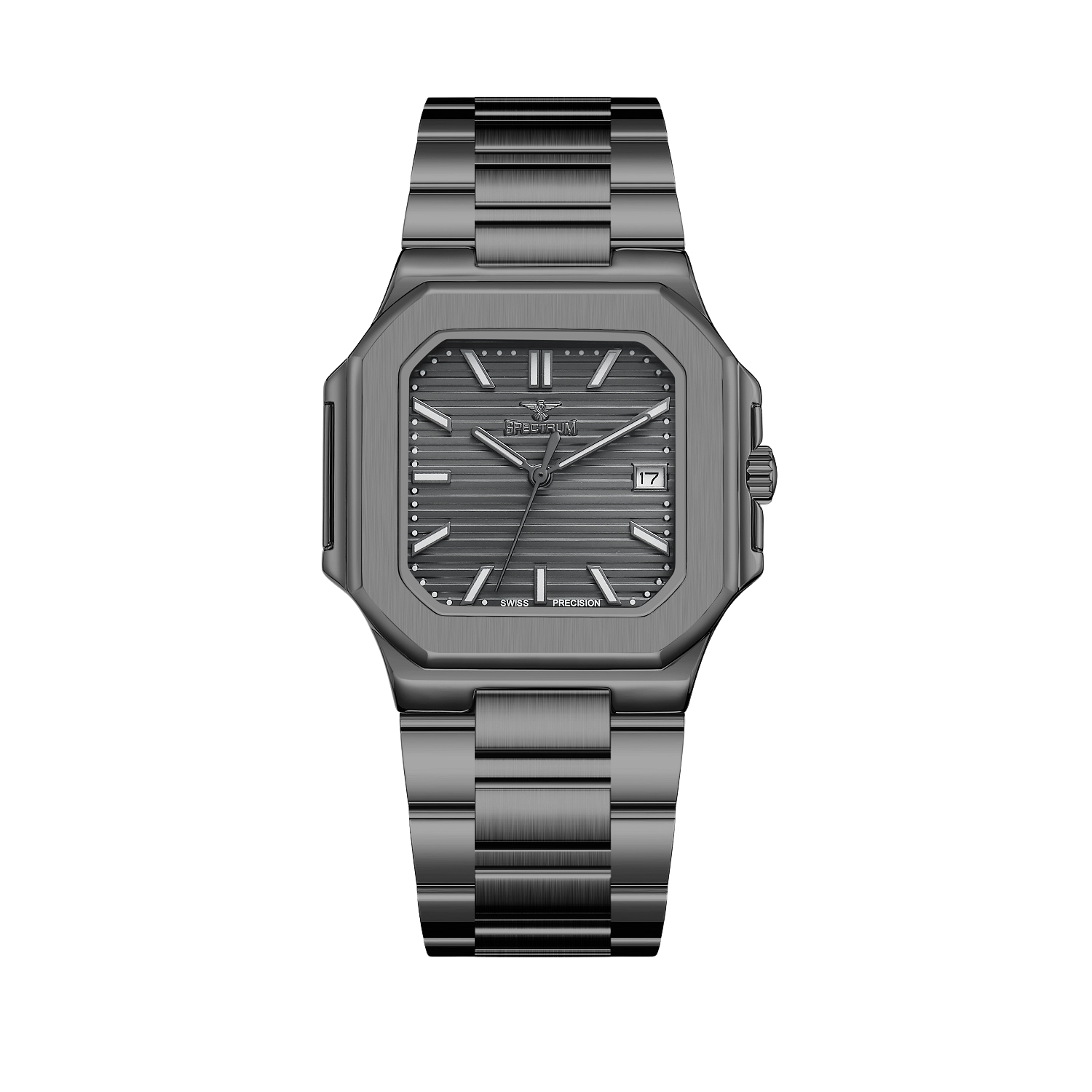 its minimalist black dial, you get that clarity without distraction.
Tempo is often written as a series of numbers, each corresponding to a phase of the lift. For a bench press, a 3-1-1-0 tempo would mean:
- 3: A three-second eccentric phase, lowering the bar to your chest.
- 1: A one-second pause at the bottom, without resting on the chest.
- 1: An explosive, one-second concentric phase, pressing the bar up.
- 0: No pause at the top before beginning the next rep.
Controlling these variables is an advanced technique hiding in plain sight. It requires you to check your ego, often using less weight to achieve a greater stimulus. It transforms a brute-force movement into a skilled, disciplined practice. And it delivers results that explosive, uncontrolled lifting simply cannot.
Working Around, Not Through, Injury
Longevity in strength training is a game of proactive management. Injury is not a maybe; it’s a when. The difference between a minor setback and a complete derailment is how you respond. The “no pain, no gain” mantra is a fast track to chronic issues. The intelligent lifter knows the difference between the burn of productive effort and the sharp signal of genuine pain.
Working around an injury is an act of creative problem-solving. A shoulder tweak might mean swapping barbell bench presses for a neutral-grip dumbbell press. Knee pain might mean trading back squats for goblet squats or reverse sled drags to maintain leg strength without joint stress. It’s an exercise in humility, a reminder that the goal is not to win today’s workout but to be able to train a decade from now. This is where you truly listen to your body, treating it as a partner, not a machine to be broken. For this kind of focused, no-nonsense work, you need tools that match. A session might demand  a rugged, practical timepiece that can handle chalk, sweat, and the occasional knock.
Prehab and accessory work become non-negotiable. The face-pulls, band pull-aparts, and hip mobility drills you used to skip become the foundation of your session. You learn that resilience is not built with the heaviest weights, but with the small, consistent movements that bulletproof your joints and correct your imbalances. It is a quiet, often tedious practice, but it is the price of admission for a long and healthy lifting journey.
The Unglamorous Reps
Instagram celebrates the one-rep max. The algorithm rewards the highlight reel. But real strength is built in the shadows, during the thousands of reps nobody ever sees. It’s built in the meticulous warm-up sets, each one a little heavier, priming the nervous system for the work to come. It’s in the back-off sets after your top set, accumulating volume when fatigue has already set in.
This is the domain of the doer, the person who understands that mastery is an accumulation of unglamorous details. It’s the farmer’s walk that torches your grip and builds a solid core. It’s the Bulgarian split squat that exposes your imbalances. It’s the diligent practice that defines the Truth-Seeker. These movements don’t get the glory, but they build the foundation upon which glory stands. They are the definition of substance over style.
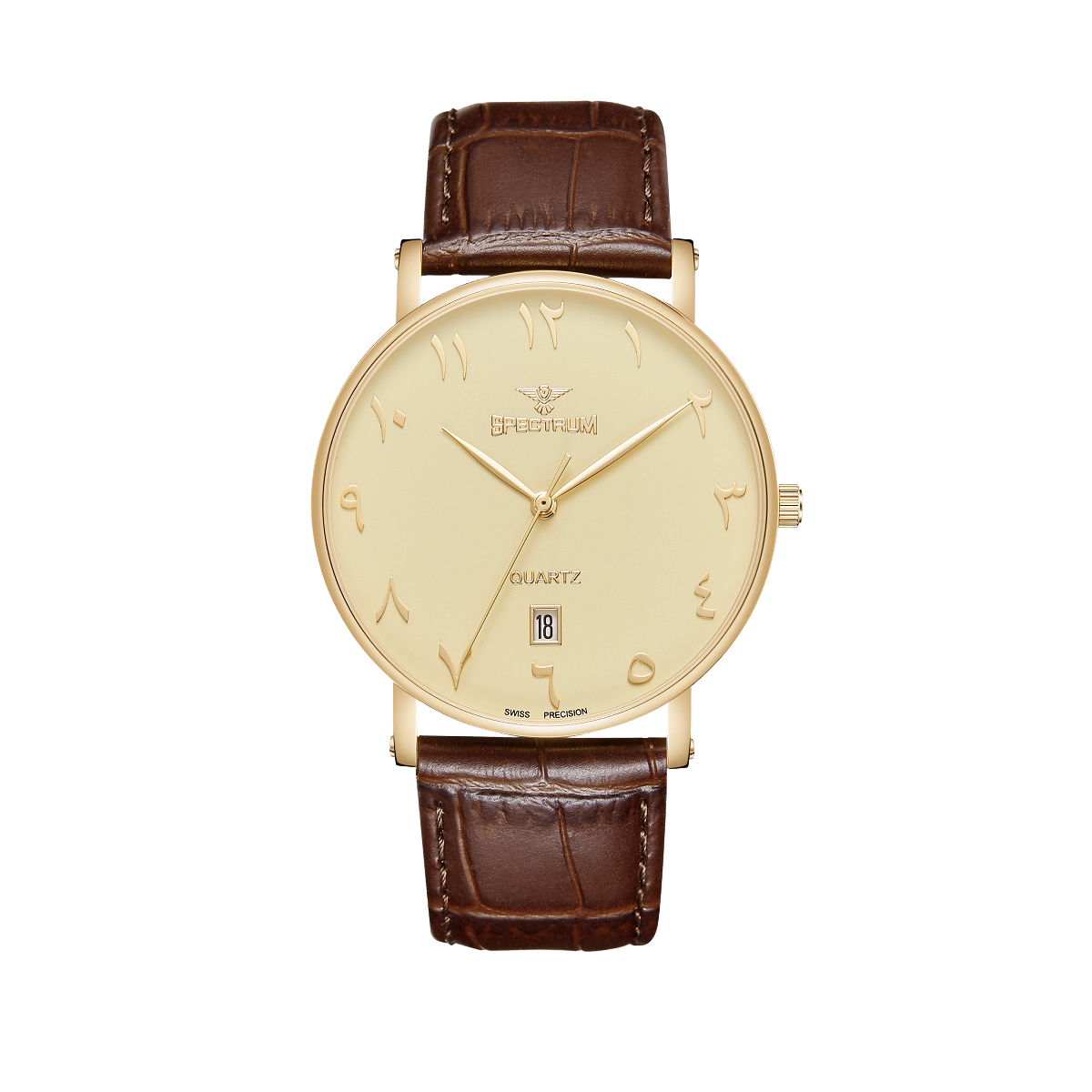
Your life in the gym is just one dimension of who you are. The discipline you build here—the patience, the honesty, the resilience—carries over. You’re not just a lifter. The same focus you bring to a heavy set is the focus you bring to a critical project. And when the gym shorts come off, your identity shifts again. You might swap the functionality of a sports watch for  an understated black leather watch that speaks to another part of your life. Because you are never just one thing.
Ultimately, the journey of getting stronger is a process of discovery. It’s a way to understand your own limits and then methodically, intelligently push them. It's a physical pursuit that reveals mental fortitude. The numbers in your logbook will go up, but the most important growth is internal. It is the quiet confidence that comes from keeping a promise to yourself, one rep at a time.
About the author
Spectrum Editorial
The Spectrum Watches editorial desk
The Spectrum editorial desk — fact-checked, persona-mapped, and written for people who measure life in moments.
Wear the story
The watches in this story
 The Truth-Seeker
Women's Black Watch S17088L
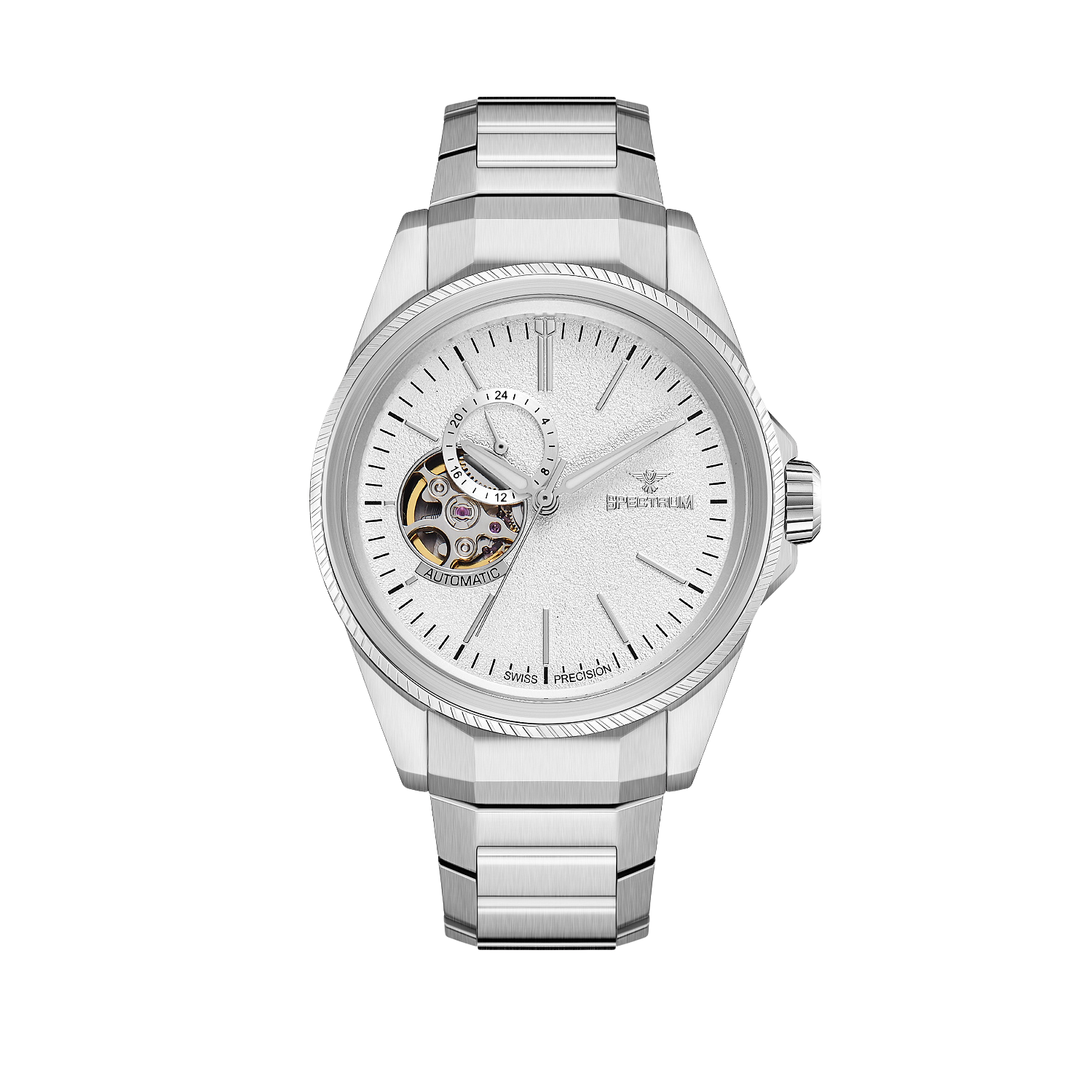
The Truth-SeekerMen's Silver Watch S17106M-10
The Truth-SeekerMen's Black Watch S17078M
The Truth-SeekerMen's Black Watch S17108M
 The Truth-Seeker
Men's Black Watch S17097M
 The Truth-Seeker
Men's Black Watch S17078M-3
 The Truth-Seeker