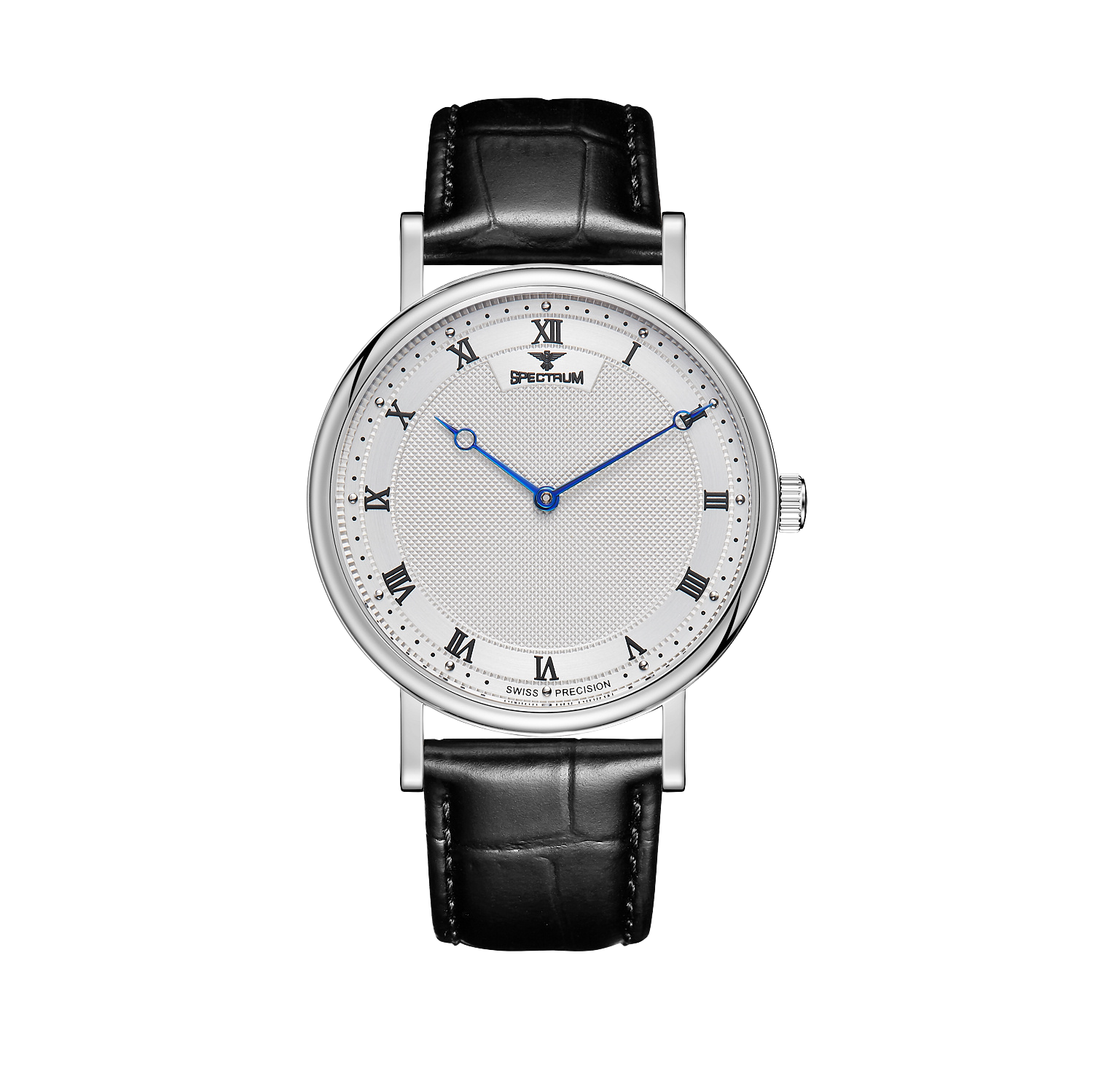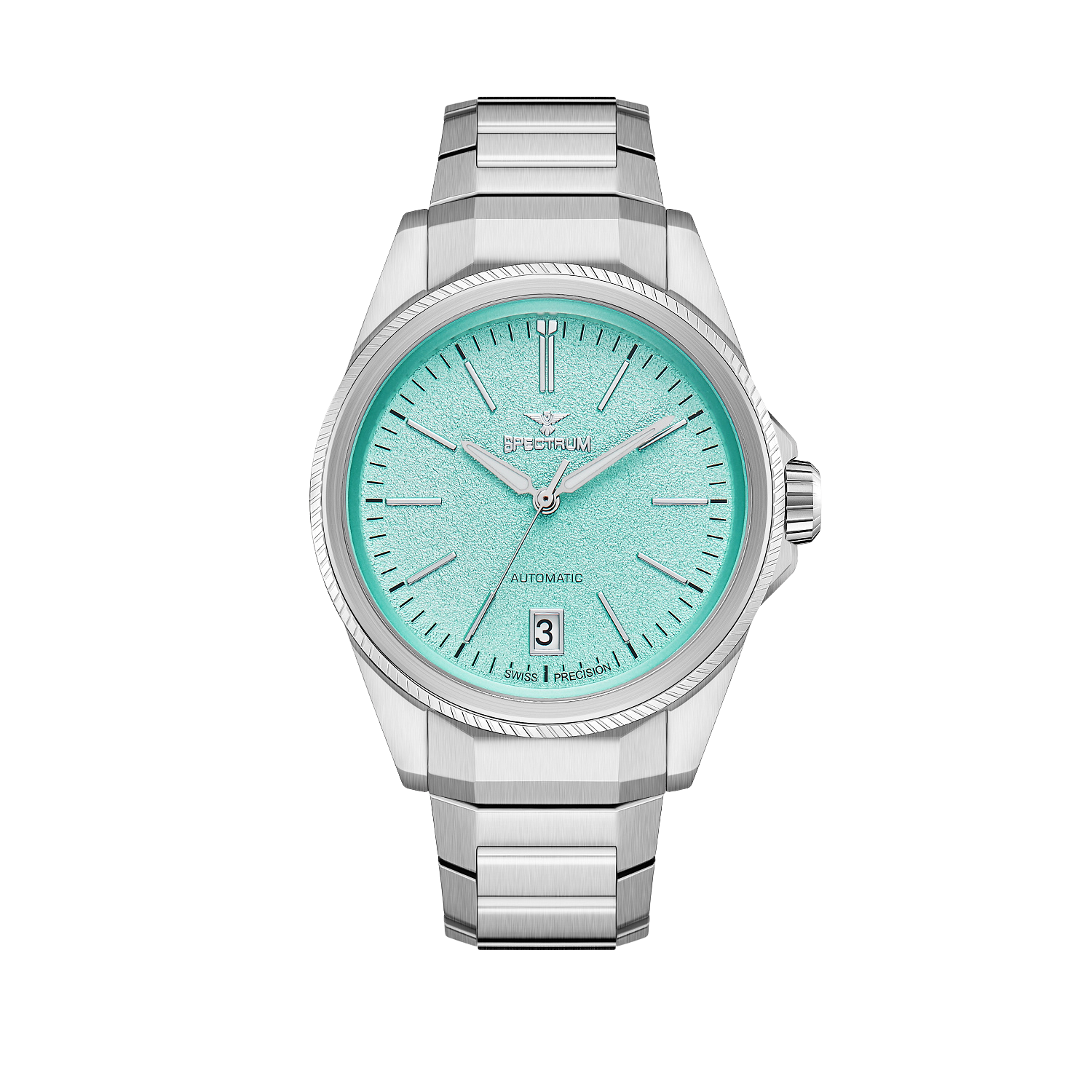
A Wimbledon Final Watch Tennis Wrist Guide for Champions in Training
The Wimbledon final showcases peak performance. For the athlete in training, the right analog watch is a tool for precision, focus, and discipline.
Spectrum Editorial · 7 min read · 48 views
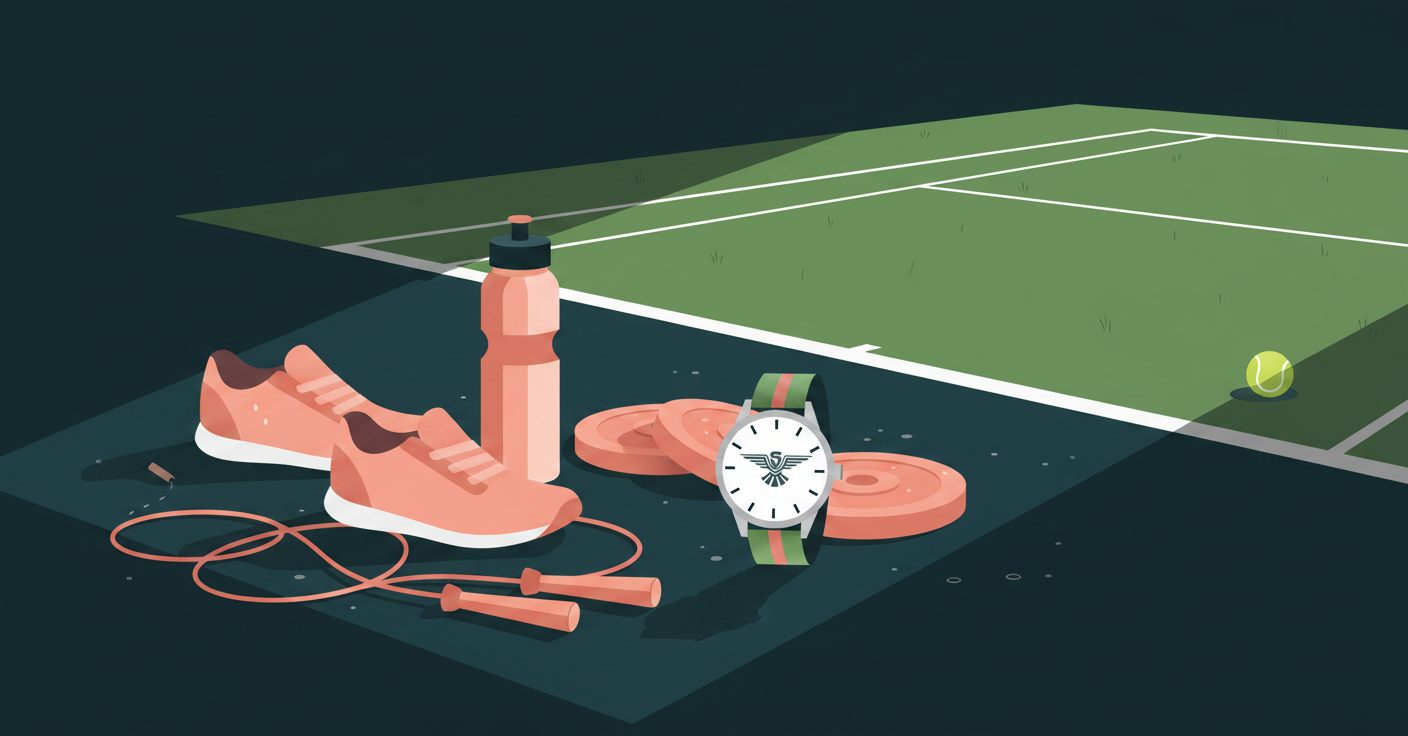
The final Sunday at Wimbledon is a masterclass in pressure. Two athletes, a stretch of green grass, and millions of eyes holding their breath. Every serve, every volley, every baseline rally is a testament to thousands of hours of unseen work. The grunt work. The early mornings. The drills that feel endless until they become automatic. For those of us who live by a training schedule, who know the feeling of pushing through one more set, this is more than just a spectator sport. It’s a mirror.
You understand the metronomic discipline required. You know the internal clock that dictates the pace of a five-set marathon is the same one you use to time your own sprints and recovery periods. It’s a rhythm built not by hype or talent alone, but by relentless repetition. In a world saturated with performance data and digital noise, the real work happens in the focused, analog moments. The moments where it’s just you, your gear, and your goal.
Your Wimbledon Final Watch Tennis Wrist Guide
When the cameras zoom in on a champion’s wrist, you’ll see a luxury timepiece. It’s part of the pageantry. But the conversation around a tennis watch shouldn't end with sponsorship deals. The real question is what works for the athlete off the court—and for the amateur athlete grinding it out every day. This is the ultimate Wimbledon final watch tennis wrist guide for doers, not just viewers.
Professionals like Federer and Nadal are famously associated with Rolex and Richard Mille, respectively. These are incredible machines, but their presence on court is often symbolic. For your own training, the principles are more practical. You need a tool that can keep pace with an active life, provide critical information at a glance, and withstand the sweat and impact of a dedicated regimen. You don't need notifications about your email inbox while you're trying to nail your second serve.
An analog watch forces a certain kind of focus. It's a deliberate choice to disconnect from the endless stream of data that a smartwatch provides. There are no step counts to obsess over, no sleep scores to analyze. There is only the time. For timing a 90-second rest between sets or a 20-minute conditioning run, the sweep of a second hand is all you need. It’s pure, functional, and distraction-free. It’s a tool for the present moment.
The Case for the Analog Chronograph in Training
For any athlete serious about progression, timing is everything. A chronograph is the original performance tracker, an elegant solution built of gears and springs. The tactile click of a pusher to start, stop, and reset the timer is infinitely more satisfying and definite than swiping on a glass screen. It’s an intentional action for an intentional purpose.
Imagine you're running court-length sprints. Click to start. Sprint. Click to stop. Check your time, catch your breath for a measured 60 seconds, and go again. No fumbling with apps, no worrying about battery life. That’s the utility of a well-built chronograph. It does one job, and it does it perfectly. This is where a watch earns its place on your wrist. It's not an accessory; it's equipment.
Take [[product: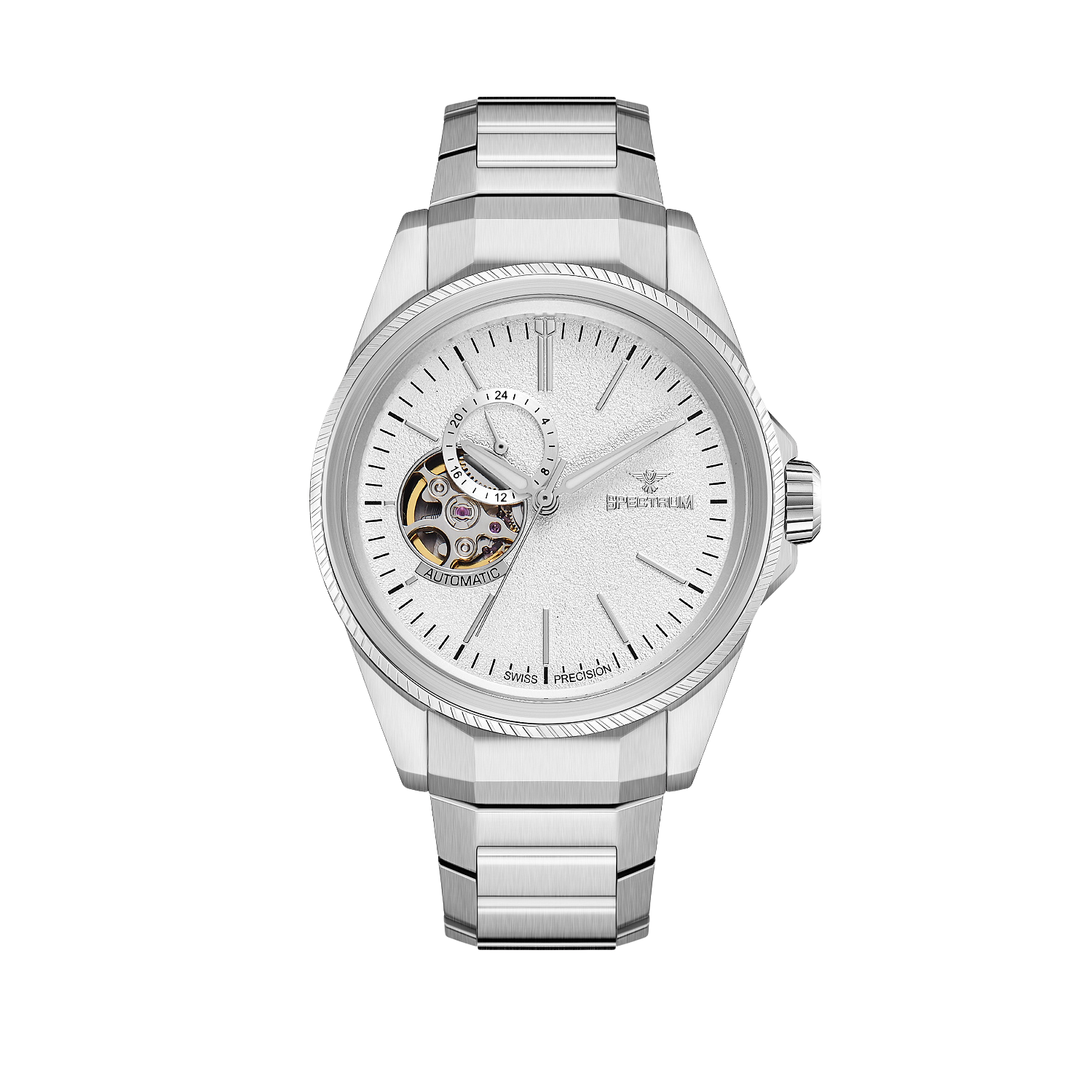 Men's Silver Watch S17086M-|this stainless steel chronograph]], for example. Its design is rooted in legibility and durability. The sub-dials are clear, allowing you to read elapsed minutes and seconds instantly. The 316L stainless steel case and bracelet can handle sweat, bumps, and the occasional downpour without issue. It has presence and heft, a constant reminder of the mechanical integrity that powers your discipline. It’s a piece of engineering you can rely on, day in and day out.
This is a commitment to a different kind of performance. While others are syncing their data to the cloud, you’re honing your focus. You’re building a relationship with time that is direct and unambiguous. This is the mindset of The Challenger, someone who understands that true progress is measured in effort, not just metrics.
Beyond the Baseline: Watches That Match Your Drive
Your choice in a watch reflects your entire approach. Watch forums may endlessly debate whether a Speedmaster or a Submariner is the quintessential sport watch, but for the daily reality of training, the principles are much simpler. You need gear that serves your purpose without adding complexity.
This philosophy extends beyond a chronograph. On days dedicated to mobility, yoga, or lighter cross-training, you might prefer a watch that is even more direct. A simple, time-only model strips everything back to the essentials, emphasizing clarity above all else. With [[product: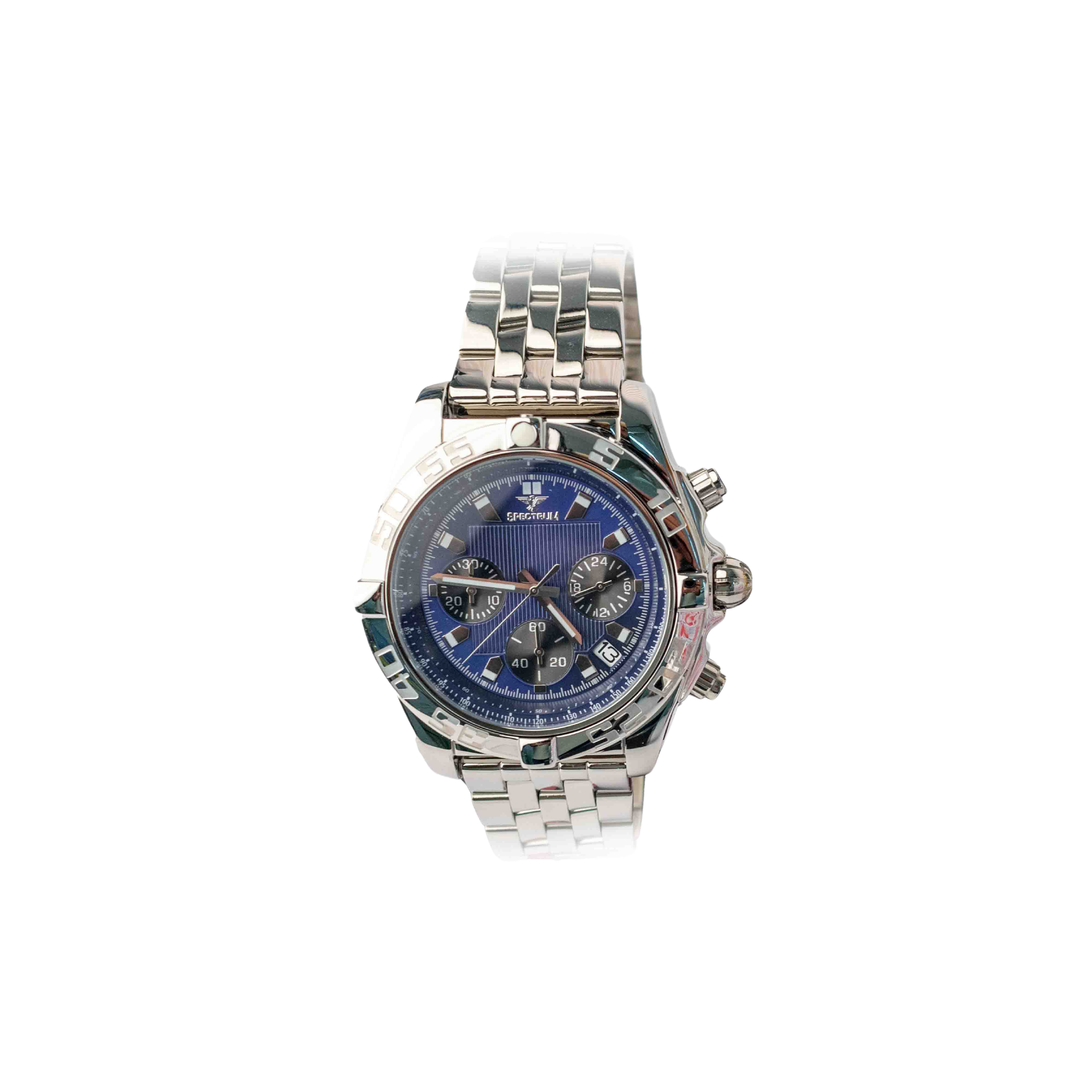 Men's Silver Watch S11114M-2|a clean, minimalist three-hand model]], you get uncompromising legibility in a robust package, perfect for when you need the time and nothing more. It’s the definition of a tool watch.
And when the hard work is done? Your watch should transition with you. The same piece that timed your sets at the gym needs to look right at a celebratory dinner. That versatility is the hallmark of a great sport watch. A design like [[product: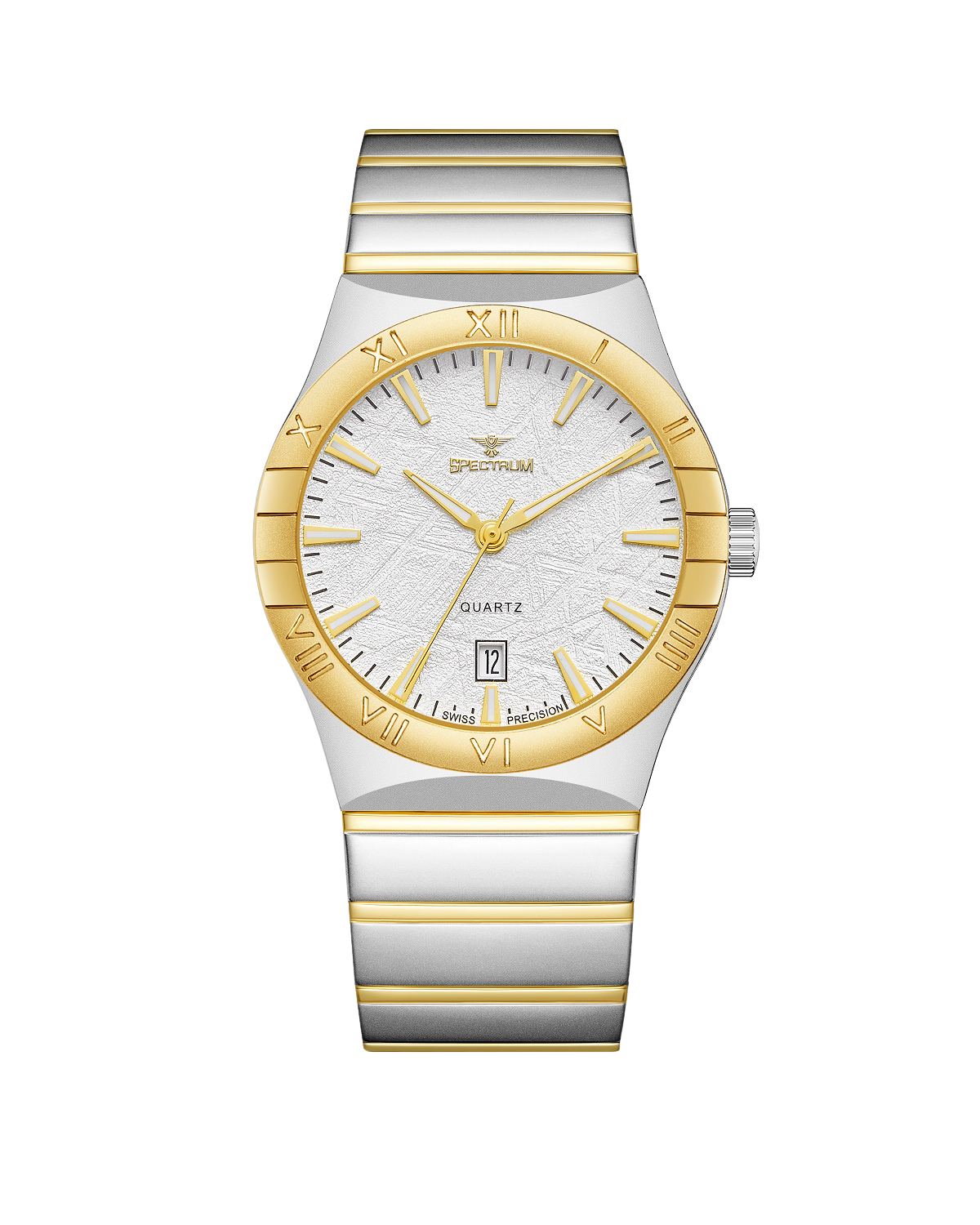 Men's Gold Watch S17073M-4|a versatile two-tone piece]] offers exactly that, blending the resilience of steel with the refined look of gold. It signals that you value performance and presentation equally.
When you’re looking for a watch that can keep up with your active life, focus on the fundamentals. These are the non-negotiables:
- Case Material: Always opt for 316L stainless steel. It’s the industry standard for a reason, offering superior resistance to corrosion from sweat and saltwater.
- Legibility: Look for high-contrast dials. White or silver dials with dark hands, or black dials with bright, lumed hands, are crucial for quick reads mid-effort.
- Crystal: A scratch-resistant crystal, whether sapphire or hardened mineral, is essential. Your watch will inevitably make contact with equipment or court surfaces.
- Water Resistance: A minimum of 50 meters of water resistance ensures your watch is safe from sweat, rain, and an impromptu rinse. 100 meters is even better, offering total peace of mind.
Finding Your Match Point: A Watch That Earns Its Place
Choosing an analog watch in the digital age is a declaration. It’s a statement that you control your time, not the other way around. It's a commitment to focus, a rejection of the digital noise that pulls you away from the task at hand. Your watch shouldn’t be another screen demanding your attention. It should be a quiet, reliable partner in your pursuit of excellence.
This piece of gear is selected with the same care as your racquet, your running shoes, or your lifting gloves. It has to perform. It has to be durable. And it has to align with your identity. It’s a deliberate choice, and one that makes a powerful statement—not just for yourself, but as something to give. Our guide on how to choose the right watch gift is built on this same principle of intention.
The final point at Wimbledon is won with precision, power, and unwavering focus. That same focus is what drives you in your own athletic pursuits. The right watch doesn’t track your past efforts; it helps you pace your present one. It’s a tool for the doer, the striver, the person who shows up to do the work. Who are you today?
About the author
Spectrum Editorial
The Spectrum Watches editorial desk
The Spectrum editorial desk — fact-checked, persona-mapped, and written for people who measure life in moments.
Wear the story